As we step into 2025, the housing market is poised at a crossroads, with evolving trends shaping the landscape for real estate investors, landlords, and property managers. Nathan Miller, Founder and CEO of Rentec Direct, highlights transformative forces that promise to redefine the sector this year.

Climate Challenges: A Catalyst for Change

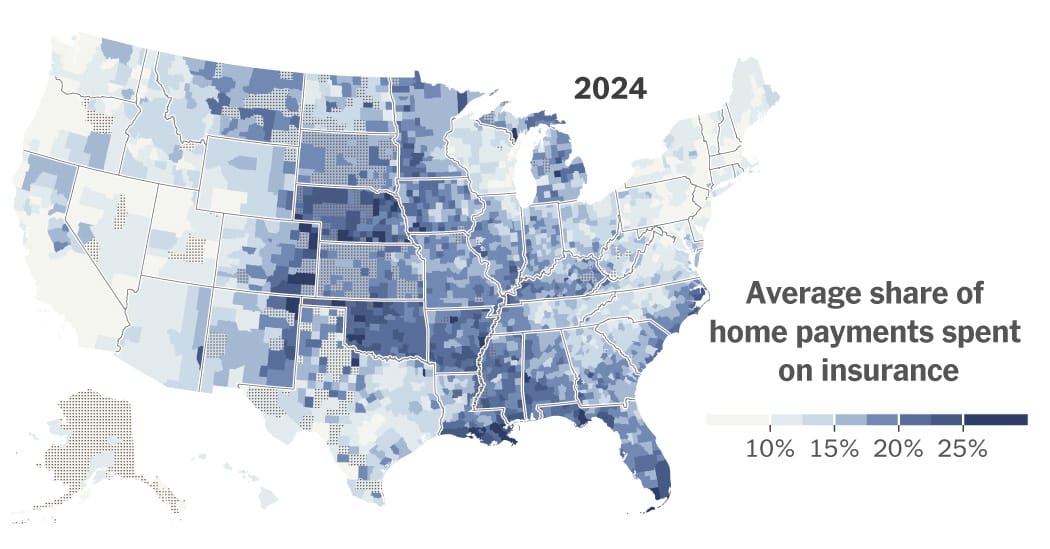
The increasing frequency and severity of natural disasters are compelling real estate investors to rethink their strategies. In 2025, areas like Southern California are already witnessing devastating wildfires. Investors are cautiously retreating from high-risk regions, such as Florida and Texas, due to escalating insurance premiums and stricter building codes. This shift opens up opportunities for risk-tolerant investors to capitalize on localized price declines, provided they can manage the associated risks.

AI: The Unseen Game Changer

Artificial Intelligence, a technology that gained momentum with the launch of ChatGPT, is set to revolutionize real estate. As AI’s capabilities advance, there’s speculation that it might replace traditional buyer’s agents by efficiently analyzing market listings. This trend is fueled by the NAR lawsuit settlement, which requires buyers to cover their own agent fees, prompting a shift towards more cost-effective AI solutions.

Build-to-Rent: A Growing Trend

The build-to-rent model is emerging as a significant housing solution in urban and suburban markets. This approach, where properties are constructed specifically for rental purposes, addresses housing affordability concerns. State-level incentives, including tax breaks and grants, are encouraging developers to prioritize rental housing, thereby stabilizing the market and providing high-quality living options.

Exploring Alternative Housing Models

Investors are increasingly drawn to creative housing solutions beyond traditional rentals. Rental conversion projects are transforming old commercial spaces into multi-family properties. For instance, some developers are converting vacant schools into housing units. Coliving is gaining traction as a high-yield investment, offering a flexible living arrangement akin to multi-family apartments. Additionally, fractional ownership is lowering entry barriers for investors, allowing them to collectively own properties through syndication companies.

Staying informed and adaptable is crucial for navigating the dynamic real estate market in 2025. As highlighted in the original Forbes article, embracing innovative solutions and understanding emerging trends will be key to thriving amidst uncertainty.

More Articles

Getting licensed or staying ahead in your career can be a journey—but it doesn’t have to be overwhelming. Grab your favorite coffee or tea, take a moment to relax, and browse through our articles. Whether you’re just starting out or renewing your expertise, we’ve got tips, insights, and advice to keep you moving forward. Here’s to your success—one sip and one step at a time!

Rising Home Insurance Costs Are Quietly Rewriting America’s Real Estate Rules

A surge in home insurance premiums is reshaping housing markets across the country, hitting disaster‑prone regions the hardest. From Louisiana to Colorado and California, deals are collapsing, buyers are backing out, and home values are dropping as insurance becomes a central affordability hurdle. New data shows climate‑driven risk repricing and soaring reinsurance costs are stripping tens of thousands of dollars from property values, forcing some homeowners to sell at a loss—or go uninsured altogether.

Is 2026 the Year the Housing Market Finally Roars Back? NAR Thinks So

After years of sluggish activity, the National Association of REALTORS predicts 2026 could mark the long‑awaited rebound for the housing market. With a projected 14% jump in home sales, steadier rates near 6%, and rising buyer activity, NAR economists say momentum is already building. Early signs—like a 31% surge in mortgage applications, continued job growth, and stabilizing prices—suggest a stronger, more confident market ahead, creating fresh opportunities for both seasoned professionals and aspiring agents preparing to enter the field.

Global Capital Is on the Move: What Colliers’ 2026 Outlook Means for the Future of Real Estate

A surge of global capital is reshaping real estate heading into 2026, with investors shifting toward hands‑on strategies, cross‑border diversification, and high‑growth asset classes like data centers. Colliers’ 2026 Global Investor Outlook highlights rising confidence, improving liquidity, and a major pivot toward direct investing and value‑add opportunities. From office market rebounds to Asia Pacific’s rapid fundraising growth, the report outlines trends every real estate professional should understand as the industry enters a more dynamic, opportunity‑rich cycle.

California Bets on a Single Staircase to Unlock New Housing

Culver City just became the first place in California to legalize six‑story apartment buildings with only one staircase — a simple change that could reshape mid‑rise housing statewide. By freeing up as much as 7% more usable floor space, architects say single‑stair designs allow bigger units, more windows, and the kind of elegant layouts common in New York and Europe. If the city’s six‑year experiment succeeds, it may spark a broader rethinking of U.S. building codes and open the door to more flexible, affordable multifamily development across California.

Stratford Launches 2025 Property Revaluation, Sending New Assessments to Homeowners

Stratford homeowners are receiving their 2025 Notices of Assessment Change, marking the town’s first property revaluation since 2019. Officials emphasize that rising assessments do not equal higher tax bills, as a new mill rate won’t be set until spring 2026. Residents can challenge or review their updated valuations through informal hearings hosted by Vision Government Solutions, with appointments available for one week after receiving a notice.

Florida Homeowners Buckle Under Nation-Leading Insurance Premiums as Crisis Deepens

New reporting reveals Florida homeowners now face an average insurance premium of $5,838 per year — nearly triple the national average. With skyrocketing rates, denied claims, and mounting non-renewals, residents are being pushed to tough financial decisions while lawmakers scramble to implement reforms. From retirees skipping coverage to families battling insurers for fair payouts, Florida’s insurance crisis is reshaping both the housing market and the daily lives of homeowners statewide.