As the global property market cautiously steps into 2025, the commercial real estate sector is beginning to show signs of recovery. This follows a significant downturn that began in 2022, primarily driven by rising interest rates. The original article from MSCI highlights several key trends and challenges that investors should keep an eye on as the market evolves.
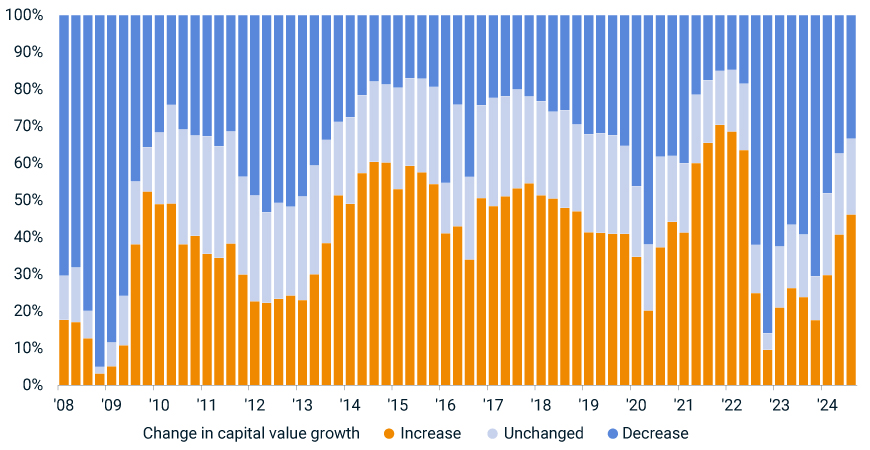
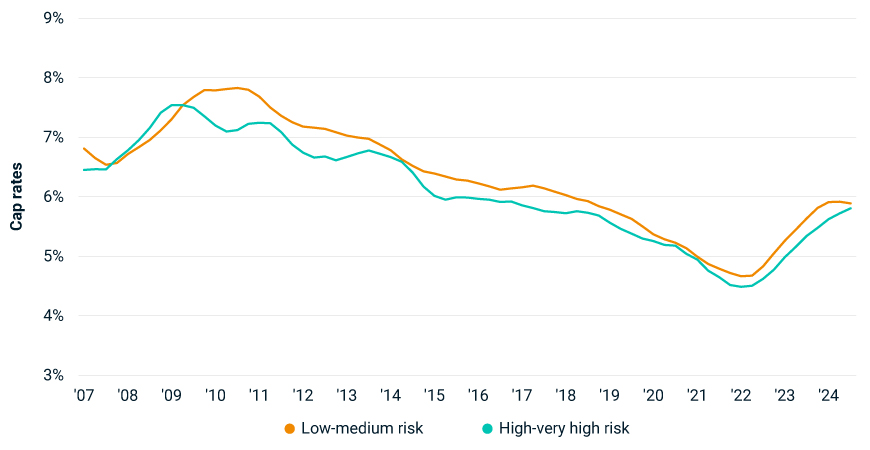
In 2024, interest rates began to decline, leading to a stabilization in transactional activity and the reemergence of asset-value growth in certain segments. However, the recovery is uneven, with different areas of the market moving at varied paces. This presents both opportunities and risks for investors, who must navigate a landscape marked by both cyclical and structural changes.
Recovery – Not Everywhere All at Once
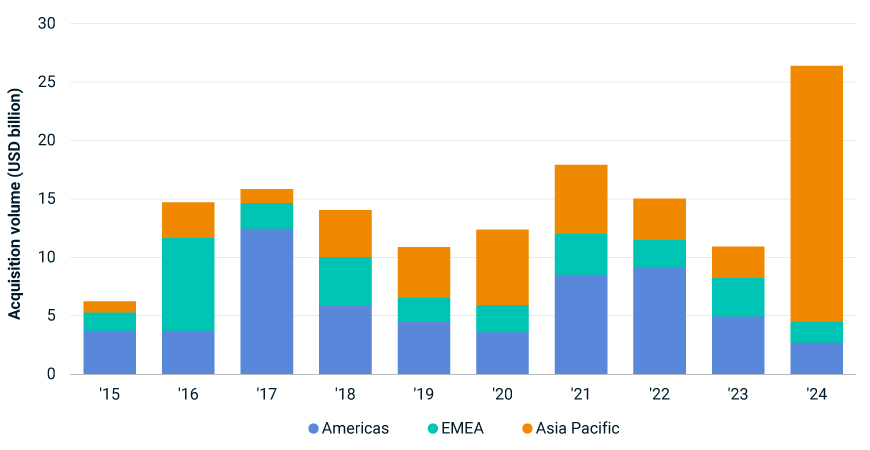
The recovery phase, which began in 2024, is still in its infancy. Lower interest rates are expected to help buyers and sellers align more closely on pricing, improving liquidity. Yet, investor preferences are shifting, with a focus on living sectors, industrial assets, and properties aligned with broader socioeconomic and technological trends. A notable transaction in 2024 was Blackstone Inc.’s $16 billion acquisition of data-center operator AirTrunk, underscoring the growing demand for assets that straddle the line between traditional property and infrastructure.
Investment Pendulum Swings Back to Asset Selection
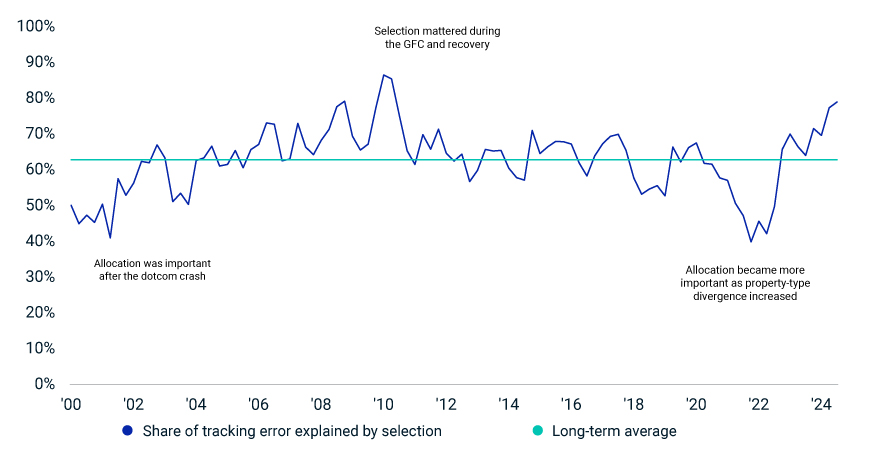
The real estate market is entering a new investment cycle where active asset selection and management are crucial. With market conditions evolving, the traditional playbook for delivering returns is changing. Investors must balance top-down allocation strategies with granular, bottom-up asset-selection decisions. The interplay between these approaches has become more complex, demanding a keen understanding of the drivers of performance.
Underwater Assets Come to Light
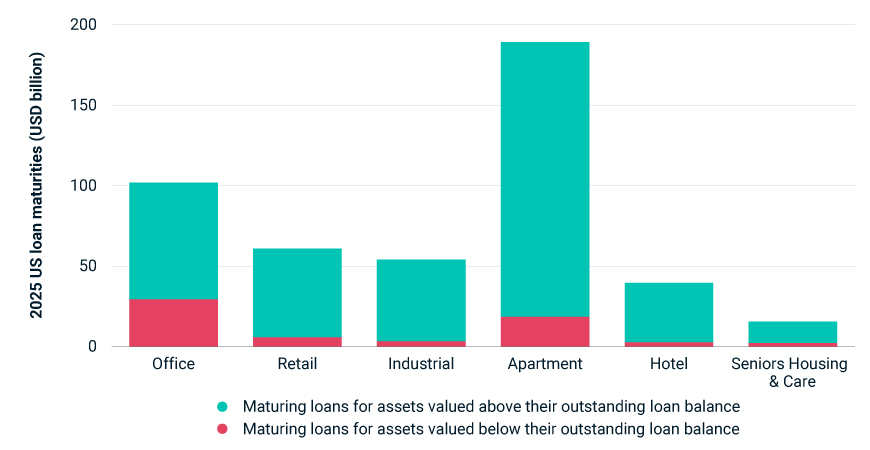
Higher interest rates and ongoing price declines have put pressure on borrowers’ ability to refinance commercial-property loans. In the U.S., nearly $500 billion of loans are set to mature in 2025, with about 14% potentially underwater. U.S. offices face particularly bleak refinancing prospects, with nearly 30% of maturing office loans tied to properties worth less than the debt secured against them.
Investors Get to Grips with Physical Climate Risk
Extreme weather events are expected to become more common, affecting real-estate asset values through higher insurance premiums and disruption costs. Despite this, the risk is not yet adequately priced into transaction yields. As climate risks intensify, pricing should adjust to reflect the increased risk to property values.
Property Investors Seek a Ride on the AI Train
The rapid development of AI is driving demand for data centers, transforming the investment landscape. Significant capital is being committed to developing new data centers, with notable deals like Blackstone’s acquisition of AirTrunk. This surge in interest is reshaping market dynamics, with traditional property investors now competing in a space once dominated by infrastructure investors.
As we move further into 2025, the commercial real estate market remains a complex and evolving landscape. Investors must remain vigilant and adaptable, leveraging insights and strategies to navigate the challenges and opportunities that lie ahead.
More Articles
Getting licensed or staying ahead in your career can be a journey—but it doesn’t have to be overwhelming. Grab your favorite coffee or tea, take a moment to relax, and browse through our articles. Whether you’re just starting out or renewing your expertise, we’ve got tips, insights, and advice to keep you moving forward. Here’s to your success—one sip and one step at a time!
After nearly 20 years under uniquely harsh lending rules, Florida may finally see its condo market freed from a 25% down payment requirement imposed only on the state. Industry leaders say Fannie Mae could announce changes as early as December—potentially restoring the standard 10% down payment used everywhere else in the country. Experts believe the shift would boost maintenance funding, improve affordability, and stabilize Florida’s condo market after years of strain.
Phoenix’s commercial real estate market is shaking off years of uncertainty as broker optimism hits its highest level since interest rates began climbing. The latest ASU Commercial Broker Sentiment Index soared to 62.7, signaling strong confidence across multifamily, retail, office, and capital markets. With population growth accelerating, interest rates easing, and AI boosting industry efficiency, Phoenix is positioning itself for a powerful run into 2026—offering meaningful opportunities for both new and seasoned real estate professionals.
Michigan’s House Rules Committee heard testimony on a proposal that would let licensed professionals complete all required continuing education online. Supporters say the change would modernize outdated rules, reduce costs, and improve access for rural and busy workers. The state licensing department backs the measure, and lawmakers noted it could reshape CE options across industries from real estate to insurance and healthcare.
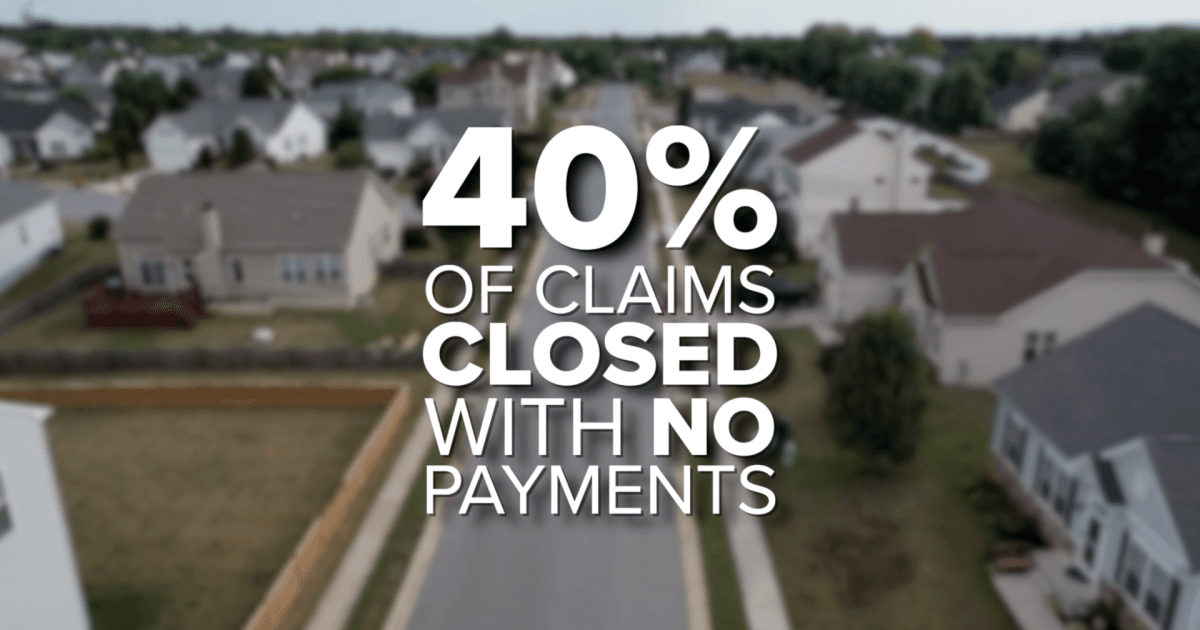
Florida homeowners are now paying an average of $5,838 per year for insurance — nearly $3,000 above the national average — making it one of the most expensive states in the country. As premiums continue to triple for some residents, many are being forced into tough decisions, from delaying home improvements to dropping coverage altogether. With more than 40% of claims closed with no payment and lawmakers pushing for aggressive reforms, the crisis is reshaping Florida’s housing market and placing growing pressure on real estate, mortgage, and insurance professionals statewide.
Griffin Funding has elevated John Jones to Senior Vice President of Growth and EOS Integrator, marking a major step in the company’s long-term expansion strategy. Already a key operational leader since April 2025, Jones will now drive performance optimization, market expansion, and leadership development as the lender pursues an ambitious goal of reaching $3 billion in annual non-QM loan volume by 2030. His promotion underscores Griffin Funding’s commitment to scaling strategically while strengthening its position in the fast-growing non-QM space.
Despite recent Federal Reserve rate cuts, commercial real estate remains frozen. Long‑term Treasury yields continue to climb, keeping borrowing costs high and preventing the relief investors expected. With nearly $1 trillion in commercial loans coming due, refinancing at today’s elevated rates is squeezing owners, slowing transactions, and creating a widening gap between buyers and sellers. For patient, well‑capitalized investors, this period of recalibration may offer some of the strongest opportunities in years.