In the ever-evolving landscape of American higher education, significant shifts are on the horizon as we approach 2025. According to a comprehensive analysis by Deloitte, the sector is navigating through a myriad of challenges and opportunities that are poised to reshape its future.
Deloitte’s article, “2025 Higher Education Trends,” sheds light on the pressing issues facing higher education institutions today. The insights stem from Deloitte’s forum on the New Era of Higher Education, where experts gathered to discuss the sector’s trajectory.
Financial Challenges
The financial landscape for higher education institutions is fraught with challenges. With shifts in federal funding and rising operational costs, many institutions are facing financial precarity. The article highlights the need for strategic financial considerations to ensure sustainability. Institutions are urged to reassess their financial models and align resources with their core missions.
Risk Management
In today’s complex environment, higher education institutions must adopt holistic risk management strategies. This involves addressing not only tangible assets but also intangible ones like reputation and data security. The article emphasizes the importance of integrating diverse risk areas into strategic planning processes.
Educational Models
The traditional four-year degree is under scrutiny as questions about its value continue to rise. Institutions are exploring alternative credential paths, such as apprenticeships and short-term programs, to meet the evolving needs of students and employers. This shift aims to provide more flexible and cost-effective education options.
Workforce Changes
The roles within academic institutions are undergoing realignment to reflect broader changes in the workforce. The impact of AI on learning and administrative tasks is significant, prompting institutions to rethink how they operate. The article suggests that embracing technological advancements can enhance efficiency and effectiveness.
Systemness
A key trend identified in the article is the concept of ”systemness,” which emphasizes coordination and collaboration across institutions. By working together, institutions can increase efficiency and effectiveness, ultimately benefiting students and the broader educational landscape.
The authors of the article, Cole Clark, Megan Cluver, Tiffany Fishman, and Danylle Kunkel, provide a comprehensive overview of the trends shaping higher education. Their insights offer a roadmap for institutions to navigate the challenges and seize the opportunities that lie ahead.
For a deeper dive into these trends, visit the full article on Deloitte’s website: 2025 Higher Education Trends.
More Articles
Getting licensed or staying ahead in your career can be a journey—but it doesn’t have to be overwhelming. Grab your favorite coffee or tea, take a moment to relax, and browse through our articles. Whether you’re just starting out or renewing your expertise, we’ve got tips, insights, and advice to keep you moving forward. Here’s to your success—one sip and one step at a time!
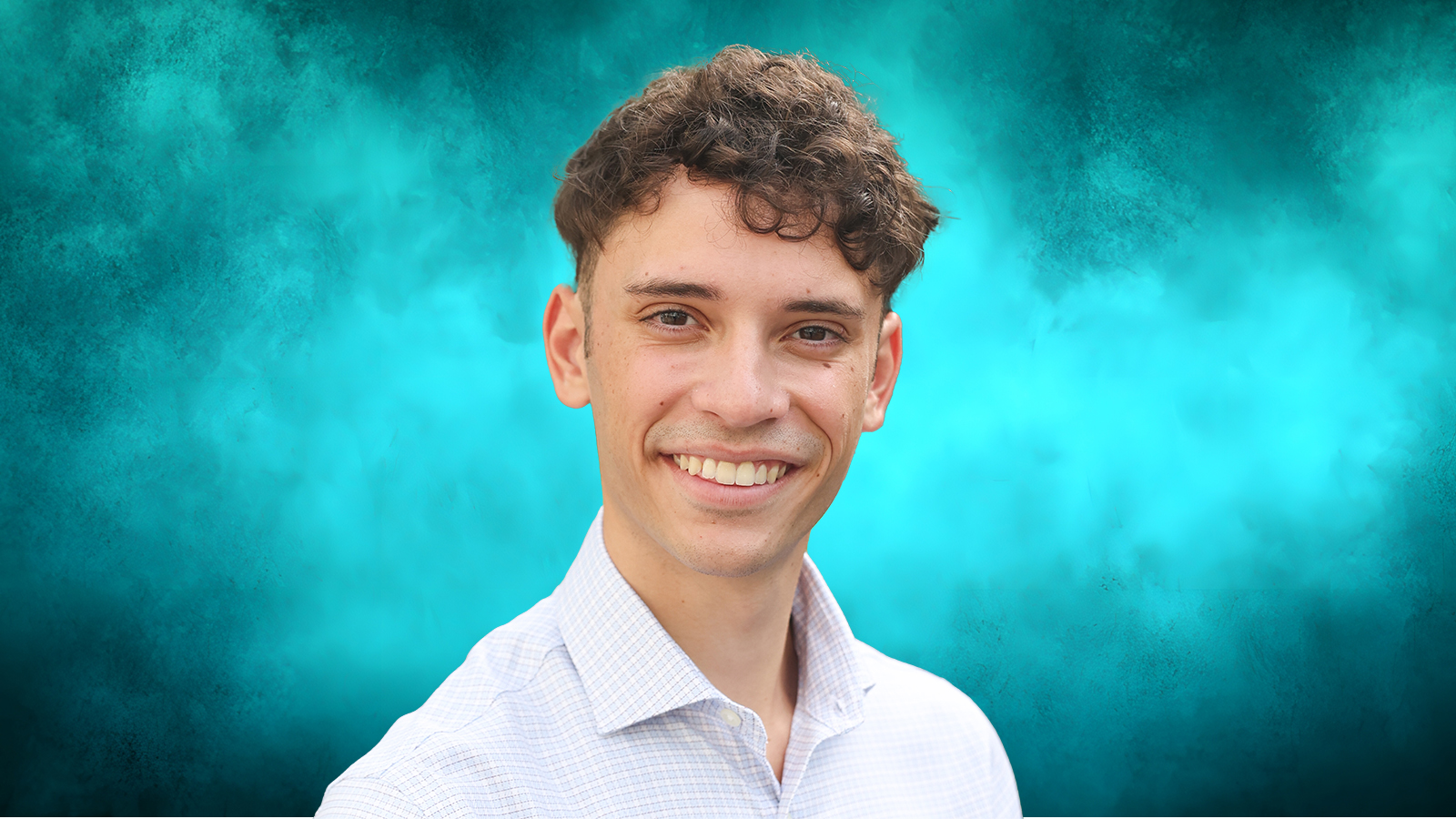
Florida families are feeling the squeeze as everyday costs, insurance premiums, and homeownership barriers continue to climb. House District 102 candidate Jayden D’Onofrio is calling for a broader, more unified affordability strategy—one that tackles the state’s insurance crisis, supports first‑time homebuyers, and restores real competition in the market. His message centers on transparency, practical solutions, and keeping Florida livable for the professionals, workers, and families who power its economy.
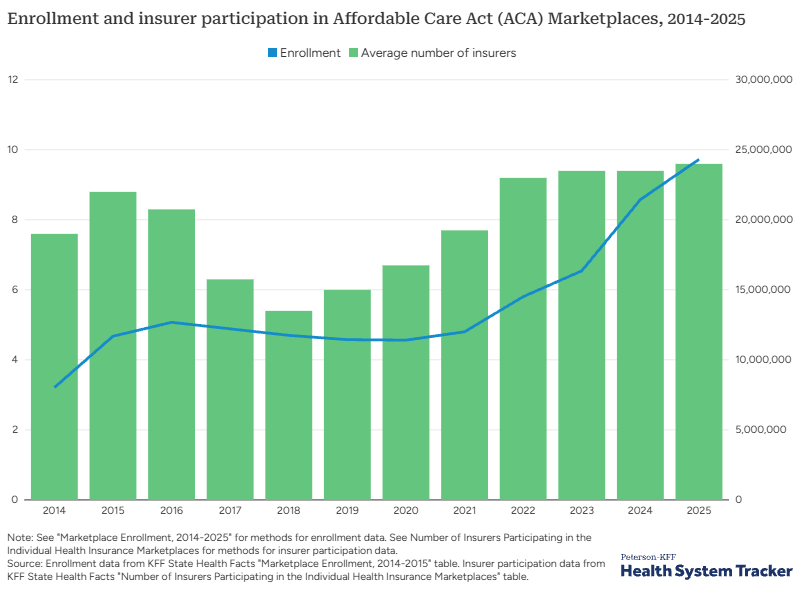
A decade of dramatic change is reshaping America’s health insurance markets. Employer group plans are becoming increasingly dominated by a few powerful insurers, while the ACA individual marketplace is experiencing record‑breaking competition and enrollment. Self‑funded plans are surging, small‑group premiums are driving employers to new coverage models, and major policy shifts in 2025 could redefine affordability for millions. This data‑driven Peterson‑KFF analysis breaks down the trends every insurance, finance, and business professional needs to understand as the industry enters a transformative new era.
Sarasota County is inching closer to approving Winchester Ranch, a massive 8,999‑home community planned for more than 3,100 acres in North Port. With a 7‑1 vote from the Planning Commission and a final decision expected in early 2026, the project could become one of Southwest Florida’s largest developments in decades—bringing new housing, commercial space, and industry while raising fresh questions about growth, the environment, and the region’s rapidly evolving real estate market.
Lument Finance Trust has closed a major $663.8 million commercial real estate CLO, marking one of the standout CRE finance deals of 2025. The transaction, LMNT 2025-FL3, features a strong reinvestment period, non‑recourse and non‑mark‑to‑market financing, and a diversified pool of 32 loans tied to 49 properties nationwide. With J.P. Morgan leading the structuring and more than $585 million placed in investment‑grade securities, the deal highlights renewed stability in transitional CRE debt—making it a development real estate and finance professionals will want to watch closely.
Walmart has partnered with Alquist 3D to roll out the nation’s first large‑scale wave of 3D‑printed commercial buildings, signaling a major shift in how future retail and industrial spaces will be constructed. After completing an 8,000‑square‑foot 3D‑printed expansion in Tennessee—the largest of its kind—the company is moving forward with over a dozen new projects nationwide, accelerating a tech‑driven transformation in commercial real estate.
Citizens Property Insurance Corp. is recommending statewide rate reductions for 2026—the first proposed decrease in more than a decade. Most Citizens policyholders could see an average 11.5% drop, reflecting recent insurance‑market reforms that have stabilized Florida’s turbulent property sector. With hundreds of thousands of policies moving back to private insurers and state‑backed Citizens shrinking to record‑low enrollment, real estate and insurance professionals should prepare for how lower premiums may influence affordability, buyer confidence, and market activity heading into 2026.