In the ever-evolving landscape of commercial real estate, the 2025 outlook sheds light on a pivotal moment for industry leaders. As highlighted in a recent report from Deloitte Insights, the sector is poised to navigate through past challenges with a strategic focus on growth and resilience.

Economic Influences and Strategic Growth

The report underscores the importance of agility and innovation in overcoming recent adversities. With central banks around the globe making significant decisions, such as the European Central Bank’s rate cuts, the landscape is ripe for change. Industry reactions have been cautiously optimistic, pointing towards a potential rebound.

Global Economic Context

Economic conditions are a driving force behind these strategic shifts. The global economic outlook by Ira Kalish provides a comprehensive view of the factors influencing the real estate markets. Meanwhile, regional insights from the United States, Eurozone, and India highlight diverse challenges and opportunities.

Leadership and Innovation

The outlook emphasizes the necessity for leaders to adopt innovative strategies. By leveraging insights and adapting to new market dynamics, organizations can position themselves for future success. As interest rates and inflation trends continue to evolve, the ability to respond swiftly and effectively becomes crucial.

Looking Ahead

As we move into 2025, the commercial real estate sector stands at a crossroads. The report from Deloitte serves as a guide, offering strategies to not only weather current storms but to thrive in a changing environment. By embracing a forward-thinking approach, industry leaders can unlock new potentials and drive sustainable growth.

The full report can be accessed through Deloitte Insights.

More Articles

Getting licensed or staying ahead in your career can be a journey—but it doesn’t have to be overwhelming. Grab your favorite coffee or tea, take a moment to relax, and browse through our articles. Whether you’re just starting out or renewing your expertise, we’ve got tips, insights, and advice to keep you moving forward. Here’s to your success—one sip and one step at a time!

Artificial Intelligence in Diagnostics: A Revolution in Healthcare

The global market for artificial intelligence in diagnostics is poised for remarkable growth, with projections estimating it to reach USD 7.3 billion by 2032.

By |December 10, 2024|Categories: Article, Artificial Intelligence, Healthcare|Tags: , |0 Comments

Revolutionizing Medical Education with Extended Reality

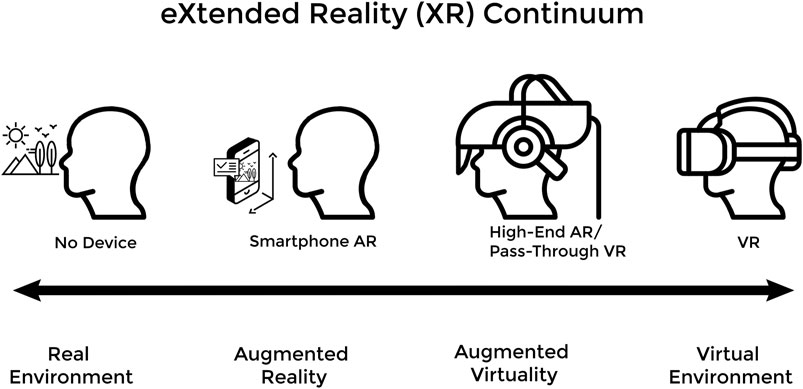
In the ever-evolving landscape of medical education, a new player has emerged, promising to revolutionize the way future doctors are trained. The integration of eXtended Reality (XR) technologies is reshaping the educational landscape by addressing the limitations of traditional methods.

Genetic Testing: A New Dawn in Healthcare

Genetic testing represents more than just a scientific advancement; it signifies a fundamental shift in how we approach health and wellness.

Sustainable Architecture: Blending Innovation with Ecological Responsibility

The journey toward sustainable architecture is ongoing, with each project serving as a beacon of what's achievable when creativity meets ecological awareness.

By |December 9, 2024|Categories: Architecture, Article, Sustainability|Tags: |0 Comments

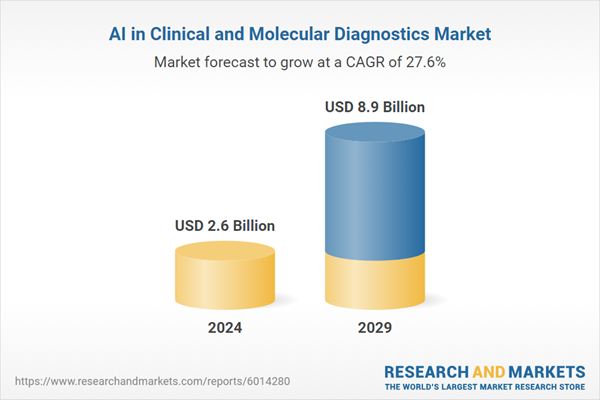
AI in Clinical and Molecular Diagnostics: A Market on the Rise

AI in Clinical and Molecular Diagnostics Market is set to experience remarkable growth, projected to surge from USD 2.6 billion in 2024 to USD 8.9 billion by 2029. This growth is driven by the integration of advanced AI technologies such as machine learning and deep learning into traditional diagnostic methodologies like imaging, genomics, and laboratory testing.

AI: A Revolution in Healthcare’s Future

AI is not a distant dream but a present reality, already integrated into everyday life through virtual assistants like Alexa and Siri. AI shows promise in enhancing medical accuracy, such as in predicting mesothelioma survival and improving colonoscopy accuracy, it is not intended to replace healthcare professionals.