The cyber insurance and reinsurance industry is on a trajectory towards sustained profitability through 2025, as highlighted by a recent assessment from S&P Global Ratings. This optimism stems from consistent underwriting gains anticipated for 2023 and 2024, primarily driven by significant premium rate hikes and stricter policy terms implemented between 2021 and 2022.


However, the landscape is becoming increasingly complex due to emerging cyber threats. S&P warns of the potential risks posed by stagnant or declining rates alongside rising cyber claims, which could threaten the industry’s profitability. To counter these challenges, strategic interventions are necessary, such as encouraging policyholders to bolster their cybersecurity measures, refining policy language, and cautiously adjusting rates, retention levels, and insurance limits.


Global Growth and Regional Trends

Globally, cyber insurance premiums are projected to increase from approximately $14 billion in 2023 to an estimated $23 billion by 2026, reflecting an annual growth rate of 15-20%. Regions like Asia-Pacific and Latin America are expected to experience the fastest growth due to their nascent cyber insurance markets compared to their more established counterparts in the US and Europe. Despite these regional disparities, cyber insurance remains one of the fastest-growing segments in the global insurance sector.


The Role of Artificial Intelligence

A significant focus is placed on artificial intelligence (AI), which is heightening the complexity and reach of cyber threats. AI-driven tools, such as automated hacking systems and Ransomware-as-a-Service platforms, enable cybercriminals to execute sophisticated attacks like phishing and email extortion across diverse regions. This necessitates that insurers develop a deeper understanding of AI’s implications on claims development, risk modeling, and pricing. The delicate balance between cyber attackers exploiting vulnerabilities and defenders strengthening system protections will play a crucial role in shaping loss ratios for cyber insurers in the coming years.


Reinsurance and Market Maturity

Reinsurance remains a pivotal component of the cyber insurance market, with primary insurers transferring around 56% of premiums to reinsurers in 2023. This handoff underscores the importance of event-based reinsurance structures, such as excess-of-loss agreements, which signify a maturing market capable of managing high-severity losses. The entry of new players and advances in scenario analysis promise to bolster risk assessment and sustain market growth.


Operational Risks and Industry Resilience

Incidents such as the CrowdStrike outage have highlighted the sector’s vulnerability to operational risks associated with third-party cybersecurity providers. While large, diversified insurers are generally able to withstand these challenges due to their robust capital and risk management practices, the potential for reputational damage remains a concern.


Maintaining Underwriting Discipline

S&P emphasizes the significance of maintaining underwriting discipline and employing data-driven models to ensure sustained profitability against the backdrop of a soft rate environment. The firm will continue to monitor developments closely, including pricing, policy terms, and risk management strategies, as the industry endeavors to uphold profitability and strengthen reserves for possible long-tail risks.


Ultimately, the ongoing expansion of cyber insurance will depend heavily on reinsurers’ ability to supply necessary capital and capacity. As systemic risks and operational challenges evolve, maintaining a focus on advanced modeling, effective pricing, and strategic cycle management will be essential for the sector’s long-term sustainability.


More Articles

Getting licensed or staying ahead in your career can be a journey—but it doesn’t have to be overwhelming. Grab your favorite coffee or tea, take a moment to relax, and browse through our articles. Whether you’re just starting out or renewing your expertise, we’ve got tips, insights, and advice to keep you moving forward. Here’s to your success—one sip and one step at a time!

NAR’s New MLS Policy Changes Spark Immediate Legal Pushback in Michigan

Just 48 hours after NAR unveiled major revisions to its MLS policies, plaintiffs in the Michigan-based Hardy lawsuit moved to use those changes as evidence, arguing they prove NAR’s prior rules were anticompetitive. NAR denies any wrongdoing, but the case is quickly becoming a key test for whether MLS access should require Realtor membership — a question now echoing across multiple states and potentially reshaping how real estate professionals nationwide access the industry’s most essential tool.

Florida Homeowners Grapple With Soaring Insurance Costs as Lawmakers Push for Reform

Florida homeowners are now paying some of the highest insurance premiums in the country, with average costs topping $5,800 per year—nearly double the national average. Residents report skyrocketing rates, denied claims, and tough choices between costly coverage and financial risk. As frustration grows, lawmakers and consumer advocates are pushing new reforms aimed at increasing transparency, capping rate hikes, and protecting policyholders in one of the nation’s most volatile insurance markets.

Top 2026 Commercial Real Estate Issues Every Pro Should Be Watching

Economic uncertainty, rapid AI adoption, tighter capital flows, and rising portfolio risk are reshaping the 2026 commercial real estate landscape. From shifting workforce patterns to a national housing attainability crisis, the industry is entering a data‑driven, fundamentals‑focused era—making adaptability, education, and tech literacy essential for real estate professionals.

Mortgage Rates Rise as Markets Lose Faith in a December Fed Cut

Mortgage rates have climbed to 6.23 percent as investors grow doubtful that the Federal Reserve will deliver a rate cut in December. A soft but unclear jobs report and persistent inflation have pushed borrowing costs higher, reversing October’s brief relief in the housing market. Real estate and mortgage professionals should prepare clients for continued volatility as the Fed’s December meeting approaches.

Housing Market Poised for a Major 2026 Comeback: What Florida Pros Need to Know

After years of tight inventory, high mortgage rates, and sluggish sales, economists say 2026 is shaping up to be the turnaround real estate professionals have been waiting for. NAR projects a 14 percent jump in home sales, mortgage rates easing toward 6 percent, and buyer demand finally gaining momentum. While higher‑end homes are moving quickly, first‑time buyers continue to face affordability challenges, and price reductions are reappearing as sellers adjust to shifting conditions. For Florida agents, brokers, and newcomers, the stage is being set for a busy and opportunity‑rich year.

Florida Homeowners Hit With Record Insurance Costs as Lawmakers and Residents Demand Reform

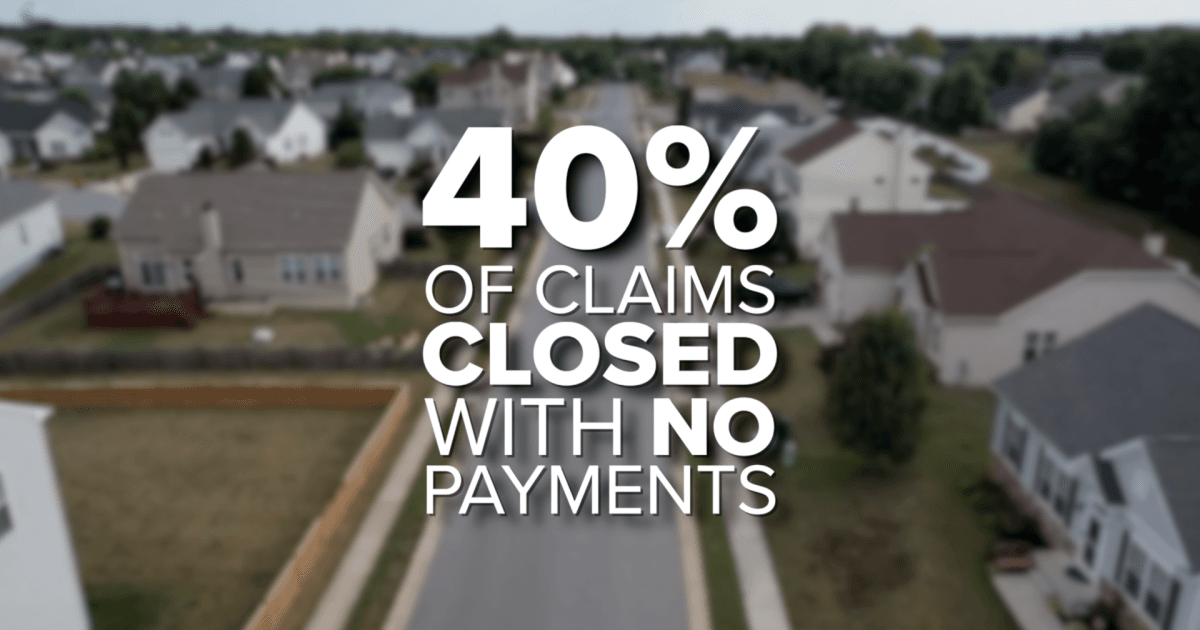
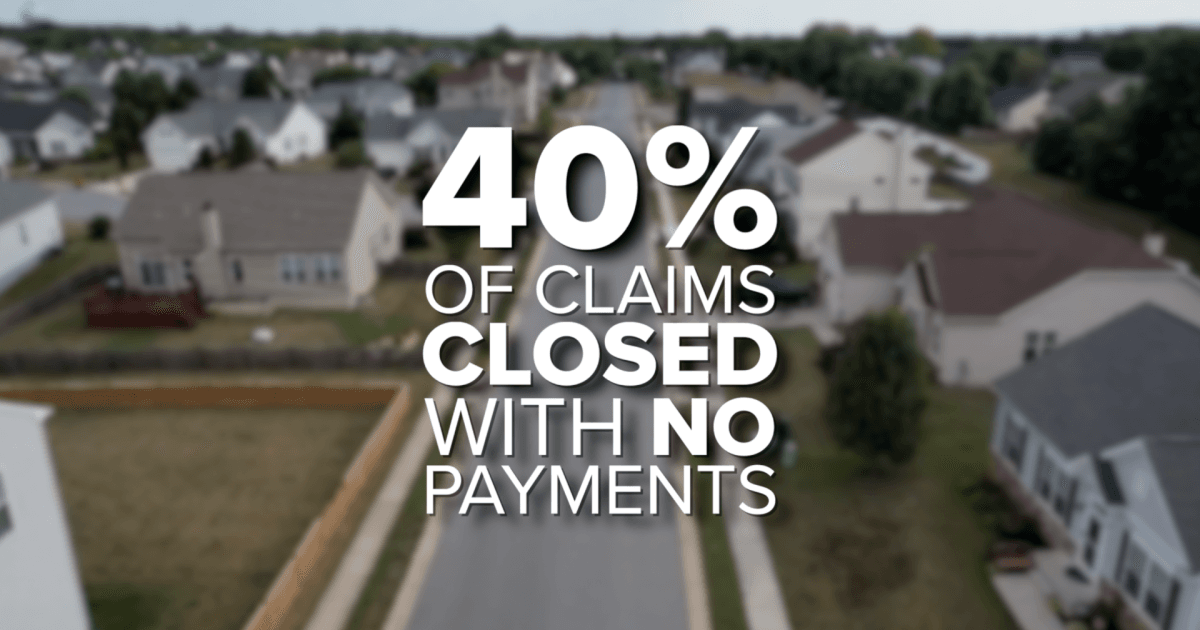
Florida’s average homeowner insurance premium has soared to $5,838 a year—almost $3,000 above the national average—pushing many residents to the financial brink. From tripled premiums to lowball claim payouts, homeowners are speaking out as frustration mounts. Some are even dropping coverage entirely. With more than 40% of claims closed without payment and policy cancellations at record levels, lawmakers are pushing for reforms, but political hurdles remain. The outcome could reshape Florida real estate, insurance, and mortgage markets for years to come.