The cyber insurance and reinsurance industry is on a trajectory towards sustained profitability through 2025, as highlighted by a recent assessment from S&P Global Ratings. This optimism stems from consistent underwriting gains anticipated for 2023 and 2024, primarily driven by significant premium rate hikes and stricter policy terms implemented between 2021 and 2022.


However, the landscape is becoming increasingly complex due to emerging cyber threats. S&P warns of the potential risks posed by stagnant or declining rates alongside rising cyber claims, which could threaten the industry’s profitability. To counter these challenges, strategic interventions are necessary, such as encouraging policyholders to bolster their cybersecurity measures, refining policy language, and cautiously adjusting rates, retention levels, and insurance limits.


Global Growth and Regional Trends

Globally, cyber insurance premiums are projected to increase from approximately $14 billion in 2023 to an estimated $23 billion by 2026, reflecting an annual growth rate of 15-20%. Regions like Asia-Pacific and Latin America are expected to experience the fastest growth due to their nascent cyber insurance markets compared to their more established counterparts in the US and Europe. Despite these regional disparities, cyber insurance remains one of the fastest-growing segments in the global insurance sector.


The Role of Artificial Intelligence

A significant focus is placed on artificial intelligence (AI), which is heightening the complexity and reach of cyber threats. AI-driven tools, such as automated hacking systems and Ransomware-as-a-Service platforms, enable cybercriminals to execute sophisticated attacks like phishing and email extortion across diverse regions. This necessitates that insurers develop a deeper understanding of AI’s implications on claims development, risk modeling, and pricing. The delicate balance between cyber attackers exploiting vulnerabilities and defenders strengthening system protections will play a crucial role in shaping loss ratios for cyber insurers in the coming years.


Reinsurance and Market Maturity

Reinsurance remains a pivotal component of the cyber insurance market, with primary insurers transferring around 56% of premiums to reinsurers in 2023. This handoff underscores the importance of event-based reinsurance structures, such as excess-of-loss agreements, which signify a maturing market capable of managing high-severity losses. The entry of new players and advances in scenario analysis promise to bolster risk assessment and sustain market growth.


Operational Risks and Industry Resilience

Incidents such as the CrowdStrike outage have highlighted the sector’s vulnerability to operational risks associated with third-party cybersecurity providers. While large, diversified insurers are generally able to withstand these challenges due to their robust capital and risk management practices, the potential for reputational damage remains a concern.


Maintaining Underwriting Discipline

S&P emphasizes the significance of maintaining underwriting discipline and employing data-driven models to ensure sustained profitability against the backdrop of a soft rate environment. The firm will continue to monitor developments closely, including pricing, policy terms, and risk management strategies, as the industry endeavors to uphold profitability and strengthen reserves for possible long-tail risks.


Ultimately, the ongoing expansion of cyber insurance will depend heavily on reinsurers’ ability to supply necessary capital and capacity. As systemic risks and operational challenges evolve, maintaining a focus on advanced modeling, effective pricing, and strategic cycle management will be essential for the sector’s long-term sustainability.


More Articles

Getting licensed or staying ahead in your career can be a journey—but it doesn’t have to be overwhelming. Grab your favorite coffee or tea, take a moment to relax, and browse through our articles. Whether you’re just starting out or renewing your expertise, we’ve got tips, insights, and advice to keep you moving forward. Here’s to your success—one sip and one step at a time!

Malware Trends 2025: The New Era of Subscription‑Based Cybercrime

Cybercrime in 2025 has evolved into a full‑scale service economy, with malware now available through subscription platforms that operate like mainstream tech businesses. Bitsight’s latest analysis reveals explosive growth in Malware‑as‑a‑Service tools, rising attacks across industries like healthcare, finance, tech, and real estate, and a surge in cross‑platform malware and supply‑chain exploits. For professionals in any licensed field, the message is clear: today’s digital landscape demands heightened vigilance, stronger identity security, and proactive defense against an increasingly organized underground threat environment.

The Proptech Revolution: How Gllit Is Making Real Estate Transactions as Simple as Booking a Flight

A new proptech startup in the UAE, Gllit is redefining how property deals happen by removing agents, eliminating commissions, and integrating AI tools that let users create professional listings in seconds. With a fast, transparent, and direct-to-owner model, Gllit offers a glimpse into the future of global real estate — and a powerful case study for U.S. professionals preparing for tech-driven changes in the industry.

2026 Housing Market Outlook: What Buyers, Renters, and Agents Need to Know

The 2026 housing market is shaping up to be a year of stability with a few surprises. Mortgage rates are expected to hold steady, home price growth is slowing, and yet ownership costs continue to rise due to soaring taxes and insurance. Meanwhile, renting is becoming more attractive as affordability improves and built‑to‑rent communities expand. This breakdown highlights the biggest trends ahead — and what they mean for buyers, sellers, and real estate professionals, especially in Florida.

Florida Homeowners Slammed by Soaring Insurance Costs as Lawmakers Push for Major Reform

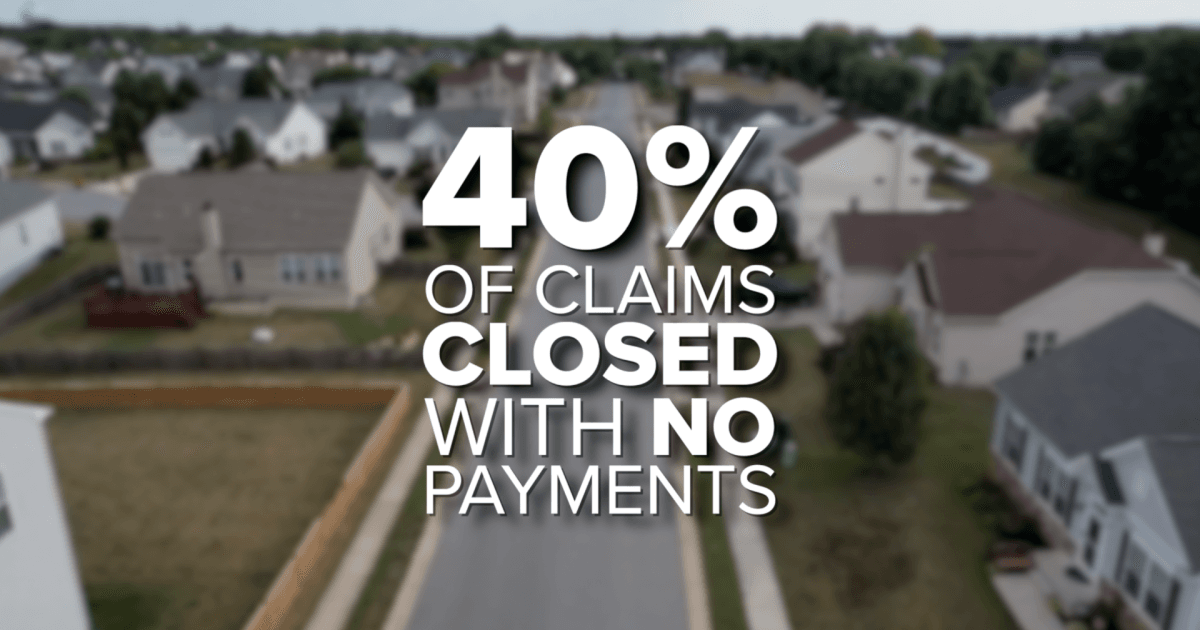
Florida homeowners are facing some of the highest insurance premiums in the nation, with average costs now topping $5,800 per year—about $3,000 above the U.S. average. Many residents report their rates have doubled or even tripled, while more than 40 percent of claims are closed with no payment. As frustration grows, state lawmakers and consumer advocates are pushing for transparency, rate caps, and incentives to help storm‑proof homes. The outcome of these reform efforts could reshape Florida’s real estate market, insurance landscape, and affordability for years to come.

Are Insurance Leaders Stuck in Silos? New Global Study Exposes a Hidden Weakness in Decision‑Making

A new global study from Risk.net and SAS reveals that many insurance companies are still making key decisions in isolated silos, despite industry-wide pushes toward data-driven strategies. While most leaders claim to have a clear vision, 38 percent admit they lack a real-time view of risks, revenue and costs. With poor data quality, limited collaboration and outdated processes holding teams back, experts say the industry is poised for a major transformation through AI, analytics and unified strategy—offering lessons for professionals across insurance, real estate, finance and other regulated fields.

Atlanta Housing Market Outlook 2025–2026: Stability, Rising Inventory, and What It Means for You

Atlanta’s housing market is shifting into a more balanced and predictable phase. Prices have leveled off, inventory has finally caught up, and mortgage rates are easing enough to bring buyers back into the game. With steady demand, growing listings, and only mild price corrections forecasted into 2026, Atlanta remains one of the Southeast’s strongest real estate markets for buyers, sellers, and investors alike.