In the ever-evolving landscape of modern romance, the year 2025 presents a fascinating tableau of dating dynamics, marked by both challenges and intriguing trends. According to a comprehensive study by Tinder, involving 8,000 heterosexual participants from the U.S., U.K., Australia, and Canada, a significant portion of single individuals aged 18 to 34—53% of men and 68% of women—express a desire for romantic relationships. However, nearly all respondents—91% of men and 94% of women—perceive the current dating environment as more challenging than ever before.


Dating in 2025 is characterized by a myriad of factors, as highlighted in a Forbes article published on July 22, 2025. The article delves into various aspects, including the importance of sexual chemistry, generational divides, and the increasing role of technology in dating. Notably, 90% of singles prioritize sexual chemistry, with 72% claiming they can gauge it within the first three dates. Additionally, kindness, empathy, physical attraction, and shared values are pivotal in forming connections.


Generational differences further underscore the complexities of modern dating. Gen Z, for instance, emerges as the most sexually conservative generation, with 29% advocating for sex only after a committed relationship. Meanwhile, millennials are more inclined towards committed relationships, with 64% expressing this preference, although 39% remain open to casual dating.


The role of online dating apps continues to expand. As noted in the article, about 42% of U.S. adults believe online dating has simplified the search for a long-term partner. Tinder remains the most popular dating app, especially among adults under 30, with 79% having used it. However, the abundance of options can be overwhelming, with 37% of users finding the choices excessive.


Mental health is another critical aspect intertwined with modern dating. A 2023 survey by Forbes Health/OnePoll reveals that 76% of respondents have experienced ghosting, leading to feelings of inadequacy and anger. Moreover, nearly half of U.S. adults report stress related to their love lives, highlighting the emotional toll of dating in the digital age.


As Dr. Kathryn Ford, a psychiatrist and couples therapist, advises, individuals should focus on self-respect and personal growth. She emphasizes the importance of surrounding oneself with supportive individuals and balancing emotional and rational considerations when moving toward commitment.


For those navigating the intricate world of dating in 2025, these insights offer a roadmap to understanding the prevailing trends and challenges. The full Forbes article provides a detailed exploration of these themes, offering valuable guidance for singles seeking meaningful connections in today’s complex dating landscape.


More Articles

Getting licensed or staying ahead in your career can be a journey—but it doesn’t have to be overwhelming. Grab your favorite coffee or tea, take a moment to relax, and browse through our articles. Whether you’re just starting out or renewing your expertise, we’ve got tips, insights, and advice to keep you moving forward. Here’s to your success—one sip and one step at a time!

2025 Commercial Real Estate Outlook: Navigating a New Era

The commercial real estate landscape is on the brink of transformation as leaders seek to navigate the challenges of recent years and position their organizations for future opportunities.

The Emerging Mental Health Crisis Among Healthcare Workers During the COVID-19 Pandemic

The pandemic has ushered in a wave of mental health challenges that affect healthcare workers profoundly. From the onset of COVID-19, these professionals have been at the forefront, facing immense pressure, long hours, and the constant fear of exposure.

By |December 18, 2024|Categories: Article, Healthcare Workers, Mental Health|Tags: , |0 Comments

Ethical Concerns of Large Language Models in Healthcare

Exploring the dual nature of LLMs offers substantial benefits in healthcare but also raises significant ethical concerns, underscoring the need for well-defined guidelines and human oversight.

The Role of Wearable Devices in Chronic Disease Monitoring and Patient Care: A Comprehensive Review

Wearable devices have become integral in managing chronic conditions by providing continuous health data, empowering patients and healthcare professionals with insights that were previously unattainable.

AI Training Mandates: Navigating Legal Waters in Dentistry

The integration of artificial intelligence (AI) into dental practices is more than a technological trend; it represents a seismic shift in the industry. This transformation is reshaping skill sets and prompting a thorough examination of legal and ethical implications.

By |December 17, 2024|Categories: Article, Legal, Technology|Tags: , |0 Comments

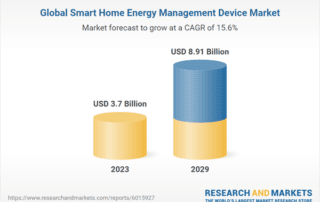
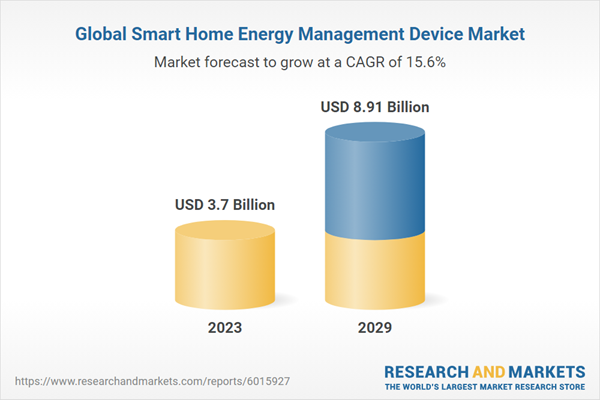
Smart Home Energy Management Devices: A Market Poised for Growth

The Global Smart Home Energy Management Device Market is on the brink of a significant transformation, driven by escalating demands for energy-efficient solutions and the increasing adoption of smart home technologies.