In the ever-evolving landscape of modern romance, the year 2025 presents a fascinating tableau of dating dynamics, marked by both challenges and intriguing trends. According to a comprehensive study by Tinder, involving 8,000 heterosexual participants from the U.S., U.K., Australia, and Canada, a significant portion of single individuals aged 18 to 34—53% of men and 68% of women—express a desire for romantic relationships. However, nearly all respondents—91% of men and 94% of women—perceive the current dating environment as more challenging than ever before.


Dating in 2025 is characterized by a myriad of factors, as highlighted in a Forbes article published on July 22, 2025. The article delves into various aspects, including the importance of sexual chemistry, generational divides, and the increasing role of technology in dating. Notably, 90% of singles prioritize sexual chemistry, with 72% claiming they can gauge it within the first three dates. Additionally, kindness, empathy, physical attraction, and shared values are pivotal in forming connections.


Generational differences further underscore the complexities of modern dating. Gen Z, for instance, emerges as the most sexually conservative generation, with 29% advocating for sex only after a committed relationship. Meanwhile, millennials are more inclined towards committed relationships, with 64% expressing this preference, although 39% remain open to casual dating.


The role of online dating apps continues to expand. As noted in the article, about 42% of U.S. adults believe online dating has simplified the search for a long-term partner. Tinder remains the most popular dating app, especially among adults under 30, with 79% having used it. However, the abundance of options can be overwhelming, with 37% of users finding the choices excessive.


Mental health is another critical aspect intertwined with modern dating. A 2023 survey by Forbes Health/OnePoll reveals that 76% of respondents have experienced ghosting, leading to feelings of inadequacy and anger. Moreover, nearly half of U.S. adults report stress related to their love lives, highlighting the emotional toll of dating in the digital age.


As Dr. Kathryn Ford, a psychiatrist and couples therapist, advises, individuals should focus on self-respect and personal growth. She emphasizes the importance of surrounding oneself with supportive individuals and balancing emotional and rational considerations when moving toward commitment.


For those navigating the intricate world of dating in 2025, these insights offer a roadmap to understanding the prevailing trends and challenges. The full Forbes article provides a detailed exploration of these themes, offering valuable guidance for singles seeking meaningful connections in today’s complex dating landscape.


More Articles

Getting licensed or staying ahead in your career can be a journey—but it doesn’t have to be overwhelming. Grab your favorite coffee or tea, take a moment to relax, and browse through our articles. Whether you’re just starting out or renewing your expertise, we’ve got tips, insights, and advice to keep you moving forward. Here’s to your success—one sip and one step at a time!

Florida’s Middle Class Is Being Squeezed Out: Insurance Costs, Rebuilding Struggles, and a Changing Coastline

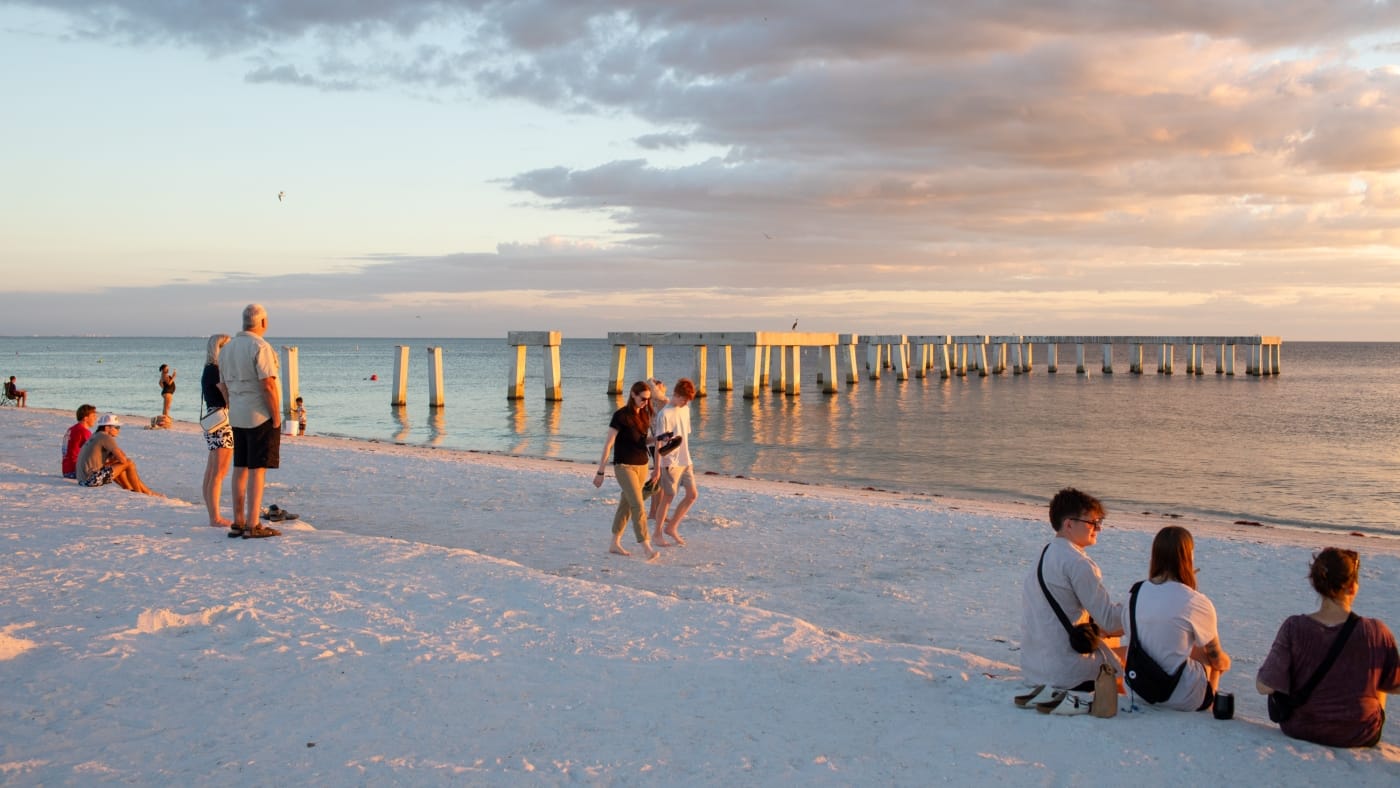
Fort Myers Beach is becoming the front line of a new Florida—one shaped by hurricane devastation, soaring insurance premiums, and rapid gentrification. Three years after Hurricane Ian, residents are still battling massive rebuilding costs and insurance bills that now exceed $5,700 a year on average, with flood insurance reaching $10,000 for some families. Long-time locals, small businesses, and service workers are being priced out as wealthy investors move in, transforming once-affordable coastal communities. Real estate professionals warn that foreclosures may rise if economic pressures continue, signaling a pivotal moment for Florida’s housing market and the professionals who serve it.

Top 2026 Commercial Real Estate Issues Every Professional Should Watch

Economic uncertainty, AI disruption, slowing population growth, and rising portfolio risk are reshaping commercial real estate heading into 2026. A new report unveiled at NAR NXT highlights the forces that will reward informed professionals — and challenge those who aren’t prepared. From fiscal policy and shifting capital flows to tech transformation and housing shortages, the landscape is evolving fast. Cameron Academy breaks down the key issues so real estate, mortgage, finance, and insurance professionals can stay ahead of the curve.

Federal Climate Funding Pulled, Leaving Billions in Real Estate Risk Exposed

A sudden federal shutdown of FEMA’s BRIC resiliency program has left cities and commercial property owners scrambling, exposing billions in real estate to rising climate threats. With nearly a billion dollars in mitigation funding clawed back and extreme weather intensifying, insurance premiums are expected to surge and coverage may shrink — placing new pressure on markets like Florida and New York.

Florida Lawmakers Push Bill to Limit Local Power Over Housing Approvals

A new Florida Senate bill aims to stop cities and counties from blocking residential developments over vague “compatibility” concerns. Supporters say the measure would speed up homebuilding and ease housing shortages, while opponents argue it strips communities of essential oversight and could accelerate growth without proper planning. The proposal could reshape development timelines and land-use decisions statewide, making it a major issue for real estate professionals to watch.

Cape Coral Housing Market Shifts in Favor of Buyers as Homes Linger 119 Days

Cape Coral–Fort Myers has officially moved into buyer-friendly territory, with homes now sitting a median 119 days on the market—far longer than both the Florida and U.S. averages. Rising inventory, a 36.9 percent price‑reduction rate, and slower absorption compared to accumulated supply are giving buyers more leverage and time to negotiate, signaling a meaningful reset in this once‑fast‑moving Florida market.

Kansas City’s Commercial Real Estate Market Finds Its Momentum Again

Kansas City’s commercial real estate sector is finally turning a corner after several years of sluggish activity. Retail is leading the rebound, while multifamily and industrial properties are gaining traction as pricing stabilizes and buyer confidence returns. A standout 2025 transaction—the sale of the 380‑unit Cyan Southcreek community—signals that capital is flowing back into the market. With bid‑ask spreads tightening and investor optimism rising, Kansas City is entering a period of renewed opportunity for real estate professionals and investors alike.