The IRS is ushering in a new era of tax reporting that will significantly affect freelancers, small business owners, and anyone who earns income through third-party payment apps like Venmo or PayPal. These changes are embodied in the form of adjusted thresholds for the Form 1099-K, a tax document used to report income from such platforms. Previously, this form was only required for those earning at least $20,000 annually through these services. However, new phased-in rules will reduce this threshold to $600 by 2026, starting with earnings over $5,000 in 2024.

This adjustment is intended to streamline tax monitoring and compliance, affecting millions of users engaged in the gig and sharing economies. It’s crucial to understand that income must be reported to the IRS regardless of whether you receive a 1099-K. Many platforms are already notifying users of these changes and are beginning to differentiate between business and personal transactions. Some states, like Maryland and Massachusetts, are implementing even stricter reporting thresholds.

If you find yourself affected by this shift, it is essential to report your earnings accurately. In the event of discrepancies, such as receiving a 1099-K for non-business transactions, corrections can be requested. Keeping meticulous records and consulting professionals can help navigate this evolving tax landscape effectively.

For more detailed information, including insights from tax experts like Mark Steber from Jackson Hewitt, and resources on managing new tax obligations, refer to the full article on CNBC’s website and other linked resources.

Understanding the 1099-K Form

The Form 1099-K is a critical document for reporting income received through payment apps, online marketplaces, or gift cards. As the IRS starts implementing new reporting requirements, understanding this form becomes increasingly crucial for those using platforms like Venmo or PayPal.

Who Will Receive a 1099-K?

Starting in 2024, if you earn more than $5,000 through third-party payment apps, you will receive a 1099-K form. This new threshold means far more people with side hustles, home businesses, and other gigs will be receiving these forms. According to a 2023 Government Accountability Office report, fully implementing the $600 threshold in 2027 will result in an additional 30 million Forms 1099-K issued annually.

What to Do If You Receive a 1099-K

For the 2024 tax year, if you receive a 1099-K, you should report this income on your 1040 Schedule C, Profit or Loss From Business. It’s advisable to open a separate business account on the appropriate app to keep funds distinct, regardless of IRS requirements.

If you receive a 1099-K incorrectly, you can ask the provider for an amended form with an explanation of what is wrong. You can also just enter the correct amount on your 1040’s Schedule 1. If a payment listed on a 1099-K doesn’t reflect a true taxable gain, gather receipts and other documentation to support your case.

Consulting Professionals

Navigating these changes can be complex, especially for gig workers, self-employed individuals, or small business owners. Consulting a tax professional or using reliable tax-prep software can help offset liabilities, such as travel expenses or home office costs.

For more insights, visit the IRS Tax Reporting page and explore resources provided by platforms like PayPal, Venmo, and Cash App.

More Articles

Getting licensed or staying ahead in your career can be a journey—but it doesn’t have to be overwhelming. Grab your favorite coffee or tea, take a moment to relax, and browse through our articles. Whether you’re just starting out or renewing your expertise, we’ve got tips, insights, and advice to keep you moving forward. Here’s to your success—one sip and one step at a time!

Florida Homeowners Finally Get Relief as Gov. DeSantis Announces Significant Insurance Premium Cuts

Florida homeowners — especially in hard‑hit South Florida — are set to see rare and substantial reductions in their property insurance premiums. Gov. Ron DeSantis announced an average statewide Citizens Insurance decrease of 8.7%, with even larger savings of up to 14% in counties like Miami-Dade, Broward, and Palm Beach. State officials credit recent legal and regulatory reforms for stabilizing the market, attracting new insurers, and delivering the first meaningful rate relief Floridians have seen in years.

Tampa’s Real Estate Market Enters a Smarter, More Selective Growth Phase

Tampa’s commercial real estate market isn’t slowing—it’s maturing. With strong population growth, rising office demand, a normalized industrial sector, resurgent retail, and an emerging health‑care real estate boom, investors are shifting from speed to strategy. Tighter underwriting, cautious capital and increased due‑diligence are shaping a more disciplined market, creating new opportunities for informed professionals.

Florida Slashes Home Insurance Rates: Biggest Drop in a Decade Sends Shockwaves Through the Market

Florida homeowners are finally seeing relief as Citizens Property Insurance announces a major 8.7% average rate decrease—far larger than originally proposed. Driven by legislative reforms, fewer lawsuits, and a calm hurricane season, the state’s once‑unstable insurance market is showing real signs of recovery. But with reduced coverage limits and shifting legal protections, experts warn that lower premiums may come with hidden trade‑offs.

Florida Homeowners Finally Get Insurance Relief After Years of Soaring Premiums

After a decade of rising premiums and retreating carriers, Florida homeowners are finally seeing long‑awaited relief. Dozens of insurers have filed for rate decreases—some as high as 11%—thanks to legislative reforms and a stabilizing market. Early approvals are already hitting counties across the state, and experts say the momentum could boost buyer confidence, affordability, and competition throughout Florida’s real estate and insurance sectors.

Self‑Storage Investing in 2026: A Market Thaw Opens the Door to Big Opportunities

After years of slowed activity caused by rising interest rates, the self‑storage industry is heating up again. New data from Marcus & Millichap shows a fresh market cycle emerging, driven by renewed buyer confidence, recalibrated pricing, and stronger lender participation. Acquisitions are rebounding, development is resetting in a healthier direction, and financing conditions are improving—creating one of the most promising investment landscapes the sector has seen in years.

Brookline’s Real Flood Risk: What FEMA’s New Maps Reveal—and What They Miss

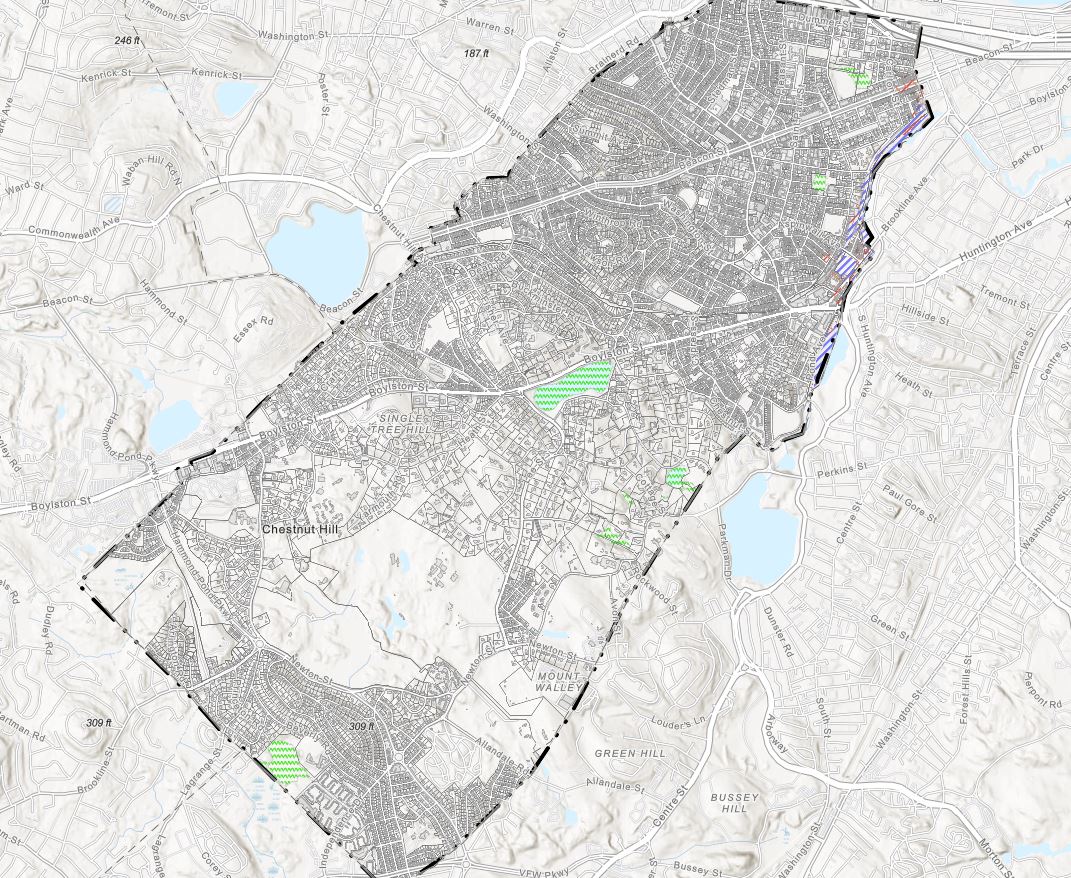
Brookline’s newly updated FEMA flood maps identify 97 high‑risk parcels, but local experts warn the true threat is far greater. While FEMA highlights river‑based flooding around Leverett Pond and the Muddy River, alternative models show more than 1,300 Brookline properties at risk within 30 years. Hidden vulnerabilities along major corridors like Beacon Street, rising rainfall intensity, aging infrastructure, and climate‑driven storm patterns suggest that many “low‑risk” areas may be anything but safe.