“`html

In today’s fast-paced world, becoming a real estate agent offers a myriad of opportunities for growth and success. Whether you’re fresh out of school or looking for a career change, the path to real estate is open to anyone willing to embrace the challenge. While most states do not require a college degree to earn a real estate license, significant education and training are essential to represent clients effectively.

Steps to Becoming a Real Estate Agent

The journey begins with understanding your state’s minimum requirements. Typically, a high school diploma or equivalent is necessary, along with a minimum age requirement. From there, it’s crucial to identify the number of coursework hours needed before applying for the licensing exam.

Once you’ve met these prerequisites, enrolling in a real estate license school is the next step. With options for both in-person and online learning, these programs offer the flexibility to learn at your own pace, providing all the resources needed to pass the exam.

Completing the required coursework is key, with most states demanding between 90 and 120 hours. This education covers real estate fundamentals, including property types, escrow procedures, and state-specific laws and regulations.

After coursework completion, it’s time to pass the licensing exam. Administered by your state, the exam requires registration and a fee ranging from $50 to $100. It’s a crucial step toward earning your license.

Finally, finding a broker or brokerage firm to work under is essential. A broker offers mentorship and guidance, helping new agents navigate the industry. Consider factors like company culture, market reputation, and commission structure when choosing the right fit.

Skills Required for Success

Thriving in real estate requires a blend of soft skills and technical knowledge:

  • Good communication: Essential for building client relationships and negotiating deals.
  • Interpersonal skills: Connect with diverse clients to build trust.
  • Active listening: Tailor services to client needs.
  • Negotiation skills: Secure favorable terms for clients.
  • Problem-solving: Overcome industry challenges effectively.
  • Time management: Balance multiple clients and tasks.
  • Adaptability: Stay current with market trends and technologies.

On the technical side, understanding real estate laws, market knowledge, financial analysis, and proficiency in CRM software are crucial for success.

Conclusion

The path to becoming a real estate agent is not without its hurdles, but the rewards of a fulfilling career are well worth the effort. For those with a passion for real estate, now is the time to take the plunge. For more insights, refer to the original article on Learn Hub by Izabelle Hundrev, a Partner Marketing Specialist at InStride.


“`

More Articles

Getting licensed or staying ahead in your career can be a journey—but it doesn’t have to be overwhelming. Grab your favorite coffee or tea, take a moment to relax, and browse through our articles. Whether you’re just starting out or renewing your expertise, we’ve got tips, insights, and advice to keep you moving forward. Here’s to your success—one sip and one step at a time!

Commercial Real Estate 2026: A Stabilizing Market Finally Finds Its Rhythm

After a turbulent 2025 marked by stalled construction, tight capital, and economic uncertainty, commercial real estate is finally entering a period of stabilization and early recovery. Analysts across Colliers, Cushman & Wakefield, CoStar, KBW, and Deloitte agree that 2026 brings a “new equilibrium,” with capital markets waking up, vacancies peaking, and investment activity returning. Office, industrial, retail, multifamily, and data center sectors each tell a different story—some recovering, some booming, some transforming—but all show signs of renewed momentum. For investors and professionals, 2026 offers cautious yet promising opportunities as the industry regains its footing.

Five New Florida Laws Every Professional Should Know in 2026

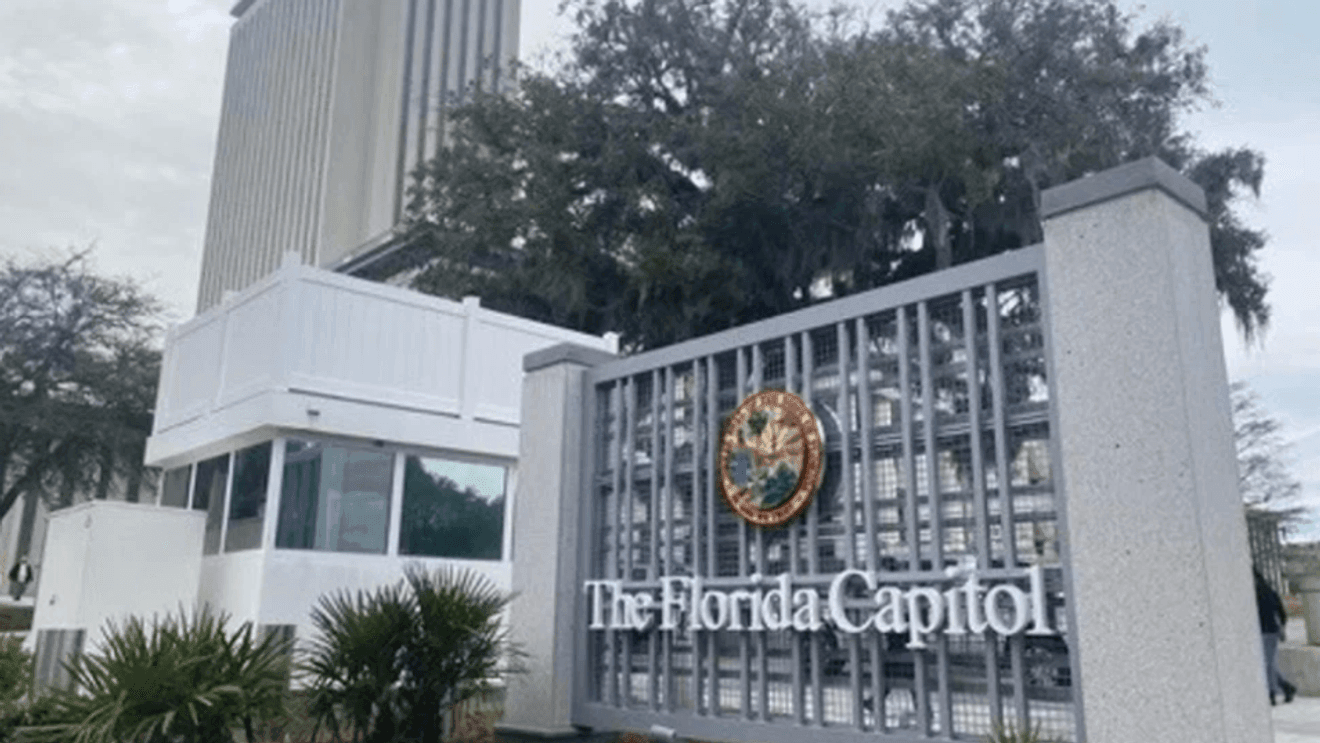
Florida kicked off the new year with five impactful laws now in effect, influencing healthcare, insurance, animal welfare, and government employees statewide. From faster medical refund requirements to new pet‑insurance transparency rules and expanded benefits for state workers, these updates are already reshaping daily life and professional practices. Whether you work in real estate, insurance, healthcare, or any state‑licensed field, staying informed on these changes is essential as regulations continue to shift rapidly across Florida.

Commercial Real Estate in 2026 Shows Clear Signs of Stabilization and Recovery

The commercial real estate market is entering 2026 with renewed momentum and long‑awaited signs of stability. Major research firms report a “new equilibrium” forming across asset classes, supported by lower interest rates, easing lending conditions, and returning investor confidence. Office vacancies are projected to improve, industrial demand remains strong despite reduced construction, and data centers continue to dominate growth. With capital markets reawakening and REITs poised for a potential breakout year, professionals who stay informed and expand their skill sets could find 2026 filled with fresh opportunity.

Mortgage Rates Drop to 15‑Month Low as 2026 Housing Market Shows Signs of Thawing

Mortgage rates have fallen to their lowest point since 2024, giving homebuyers a much‑needed break as 2026 begins. The average 30‑year fixed rate now sits near 6.12% to 6.15%, driven by multiple Fed rate cuts and cooling economic signals. While lower rates are boosting buyer optimism, tight inventory and the lingering lock‑in effect continue to challenge the market. This shift may open a key opportunity window for buyers— and for real estate and mortgage professionals looking to stay ahead of rapid industry changes.

Florida’s Great Tax Shake-Up: The 2026 Property Tax Overhaul That Could Reshape Homeownership

Florida is gearing up for what could be its biggest property tax transformation in decades. With state leaders, including Gov. Ron DeSantis, exploring ways to reduce or even eliminate property taxes as early as 2026, homeowners and real estate professionals are bracing for major changes. While supporters argue that Florida can cut back the nearly $60 billion in annual property tax revenue without harming essential services, local officials warn the move could jeopardize police, fire, EMS, and community programs. As the debate intensifies heading into the 2026 legislative session, the future of Florida’s housing affordability and municipal funding hangs in the balance.

New Florida Laws Taking Effect January 1: Key 2026 Updates Every Professional Should Know

Florida is starting 2026 with a slate of major new laws impacting health care, insurance, real estate, consumer protection, and public safety. From free breast‑cancer diagnostic exams for state employees to new transparency rules for condo associations and stricter regulations on pet insurance, these changes will influence professionals across multiple industries. Whether you work in real estate, insurance, health services, or public policy, understanding these updates will help you stay compliant and ahead of Florida’s fast‑evolving regulatory landscape.