“`html

In today’s fast-paced world, becoming a real estate agent offers a myriad of opportunities for growth and success. Whether you’re fresh out of school or looking for a career change, the path to real estate is open to anyone willing to embrace the challenge. While most states do not require a college degree to earn a real estate license, significant education and training are essential to represent clients effectively.

Steps to Becoming a Real Estate Agent

The journey begins with understanding your state’s minimum requirements. Typically, a high school diploma or equivalent is necessary, along with a minimum age requirement. From there, it’s crucial to identify the number of coursework hours needed before applying for the licensing exam.

Once you’ve met these prerequisites, enrolling in a real estate license school is the next step. With options for both in-person and online learning, these programs offer the flexibility to learn at your own pace, providing all the resources needed to pass the exam.

Completing the required coursework is key, with most states demanding between 90 and 120 hours. This education covers real estate fundamentals, including property types, escrow procedures, and state-specific laws and regulations.

After coursework completion, it’s time to pass the licensing exam. Administered by your state, the exam requires registration and a fee ranging from $50 to $100. It’s a crucial step toward earning your license.

Finally, finding a broker or brokerage firm to work under is essential. A broker offers mentorship and guidance, helping new agents navigate the industry. Consider factors like company culture, market reputation, and commission structure when choosing the right fit.

Skills Required for Success

Thriving in real estate requires a blend of soft skills and technical knowledge:

  • Good communication: Essential for building client relationships and negotiating deals.
  • Interpersonal skills: Connect with diverse clients to build trust.
  • Active listening: Tailor services to client needs.
  • Negotiation skills: Secure favorable terms for clients.
  • Problem-solving: Overcome industry challenges effectively.
  • Time management: Balance multiple clients and tasks.
  • Adaptability: Stay current with market trends and technologies.

On the technical side, understanding real estate laws, market knowledge, financial analysis, and proficiency in CRM software are crucial for success.

Conclusion

The path to becoming a real estate agent is not without its hurdles, but the rewards of a fulfilling career are well worth the effort. For those with a passion for real estate, now is the time to take the plunge. For more insights, refer to the original article on Learn Hub by Izabelle Hundrev, a Partner Marketing Specialist at InStride.


“`

More Articles

Getting licensed or staying ahead in your career can be a journey—but it doesn’t have to be overwhelming. Grab your favorite coffee or tea, take a moment to relax, and browse through our articles. Whether you’re just starting out or renewing your expertise, we’ve got tips, insights, and advice to keep you moving forward. Here’s to your success—one sip and one step at a time!

Trump’s 2026 Mortgage Rate Prediction: What Real Estate Pros Should Really Expect

President Trump recently suggested mortgage rates will drop “a lot lower” by early 2026, sparking industry-wide curiosity — but current economic data tells a more measured story. With today’s 30‑year fixed hovering near 6.25%, experts say meaningful declines remain possible, though not guaranteed, and would depend on softer inflation, weaker economic signals, or a shift in bond market behavior. While political comments created headlines, analysts emphasize that only market conditions — not rhetoric — can drive rates down. Independent forecasts already point toward mid‑5% rates by 2026, offering a potentially healthier landscape for buyers, agents, and mortgage professionals preparing for the next cycle.

Why Mortgage Executives Can’t Afford to Ignore AI

Artificial intelligence has moved from a futuristic concept to a central force driving today’s mortgage industry. From smarter underwriting to enhanced borrower experiences and tighter compliance, AI is transforming every corner of mortgage lending. As expectations rise and competition accelerates, AI literacy is no longer optional — it’s a core skill every mortgage, real estate and finance professional must master to stay relevant and lead confidently.

Global Commercial Real Estate Enters a Long-Term Era of Transformation

Global commercial real estate is shifting away from short-term recovery cycles and entering a long-term transformation driven by technology, sustainability, demographic change, and evolving work‑life patterns. Capital is becoming more selective, favoring resilient assets and alternative lenders, while high‑demand sectors such as industrial, logistics, data infrastructure, and specialized residential continue to outperform. Geography, sustainability standards, and flexibility are emerging as defining forces for the next cycle, signaling major opportunities—and challenges—for real estate professionals preparing for the future.

How AI Is Quietly Rewriting the Future of Real Estate

Artificial intelligence has moved from hype to essential infrastructure in the real estate world. From smarter valuations and predictive analytics to automated lead generation and personalized property-matching tools, AI is transforming how agents, brokers, lenders, and managers operate. As top platforms like Zillow, Redfin, Opendoor, and dozens more integrate deep‑learning technology, professionals across real estate, mortgage, insurance, and finance are being pushed to adapt. The future belongs to those who embrace these tools — and use them to elevate speed, accuracy, and client experience.

Florida’s Property Insurance Market Makes a Strong Comeback in 2025

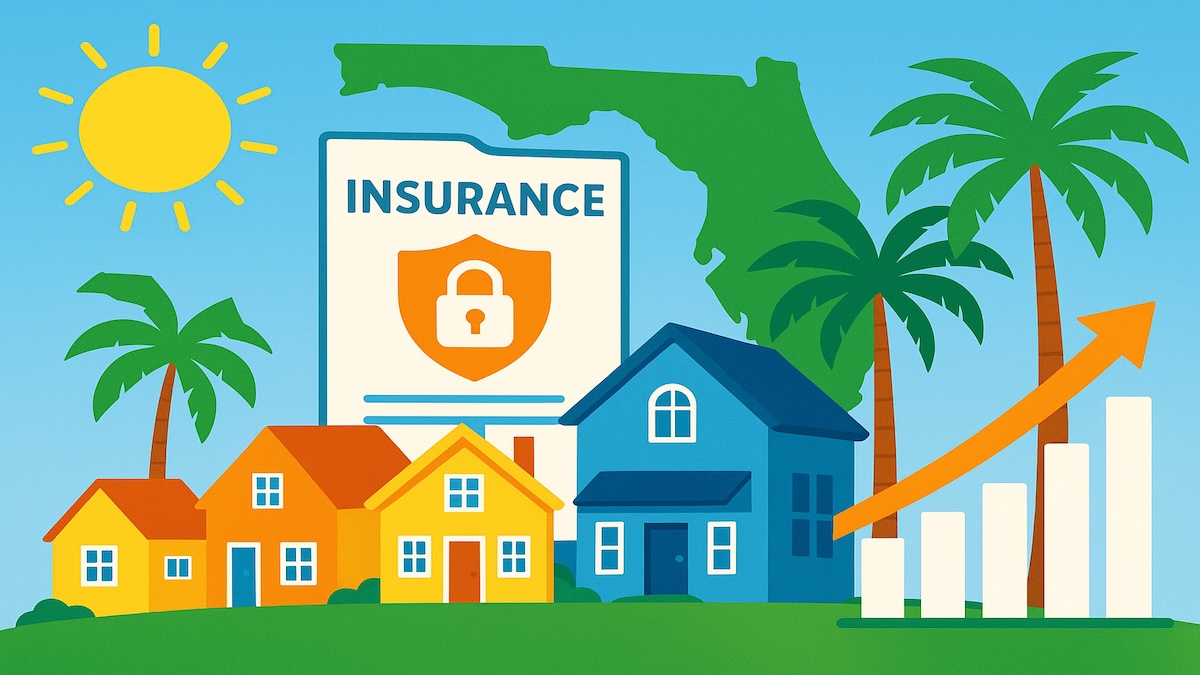
Florida’s once‑troubled property insurance market has staged an impressive recovery after its near‑collapse in 2022. A new ALIRT Insurance Research report shows that legislative reforms, tighter underwriting and the arrival of new insurers have restored stability, reduced Citizens’ policy load and revived industry confidence. While risks remain, the rebound is reshaping housing affordability and creating fresh opportunities for real estate, mortgage and insurance professionals.

Florida Moves to Ban AI‑Only Insurance Claim Denials: What Professionals Need to Know

A new bill gaining momentum in Tallahassee would stop insurers from denying claims based solely on artificial intelligence. Championed by Rep. Hillary Cassell, the proposal aims to restore trust in Florida’s troubled insurance market by ensuring human oversight in decisions that affect homeowners, newcomers, and industry professionals. As debates intensify, experts warn AI is reshaping insurance faster than ever—making it critical for real estate, mortgage, and insurance professionals to understand the regulatory shifts ahead.