“`html

In today’s fast-paced world, becoming a real estate agent offers a myriad of opportunities for growth and success. Whether you’re fresh out of school or looking for a career change, the path to real estate is open to anyone willing to embrace the challenge. While most states do not require a college degree to earn a real estate license, significant education and training are essential to represent clients effectively.

Steps to Becoming a Real Estate Agent

The journey begins with understanding your state’s minimum requirements. Typically, a high school diploma or equivalent is necessary, along with a minimum age requirement. From there, it’s crucial to identify the number of coursework hours needed before applying for the licensing exam.

Once you’ve met these prerequisites, enrolling in a real estate license school is the next step. With options for both in-person and online learning, these programs offer the flexibility to learn at your own pace, providing all the resources needed to pass the exam.

Completing the required coursework is key, with most states demanding between 90 and 120 hours. This education covers real estate fundamentals, including property types, escrow procedures, and state-specific laws and regulations.

After coursework completion, it’s time to pass the licensing exam. Administered by your state, the exam requires registration and a fee ranging from $50 to $100. It’s a crucial step toward earning your license.

Finally, finding a broker or brokerage firm to work under is essential. A broker offers mentorship and guidance, helping new agents navigate the industry. Consider factors like company culture, market reputation, and commission structure when choosing the right fit.

Skills Required for Success

Thriving in real estate requires a blend of soft skills and technical knowledge:

  • Good communication: Essential for building client relationships and negotiating deals.
  • Interpersonal skills: Connect with diverse clients to build trust.
  • Active listening: Tailor services to client needs.
  • Negotiation skills: Secure favorable terms for clients.
  • Problem-solving: Overcome industry challenges effectively.
  • Time management: Balance multiple clients and tasks.
  • Adaptability: Stay current with market trends and technologies.

On the technical side, understanding real estate laws, market knowledge, financial analysis, and proficiency in CRM software are crucial for success.

Conclusion

The path to becoming a real estate agent is not without its hurdles, but the rewards of a fulfilling career are well worth the effort. For those with a passion for real estate, now is the time to take the plunge. For more insights, refer to the original article on Learn Hub by Izabelle Hundrev, a Partner Marketing Specialist at InStride.


“`

More Articles

Getting licensed or staying ahead in your career can be a journey—but it doesn’t have to be overwhelming. Grab your favorite coffee or tea, take a moment to relax, and browse through our articles. Whether you’re just starting out or renewing your expertise, we’ve got tips, insights, and advice to keep you moving forward. Here’s to your success—one sip and one step at a time!

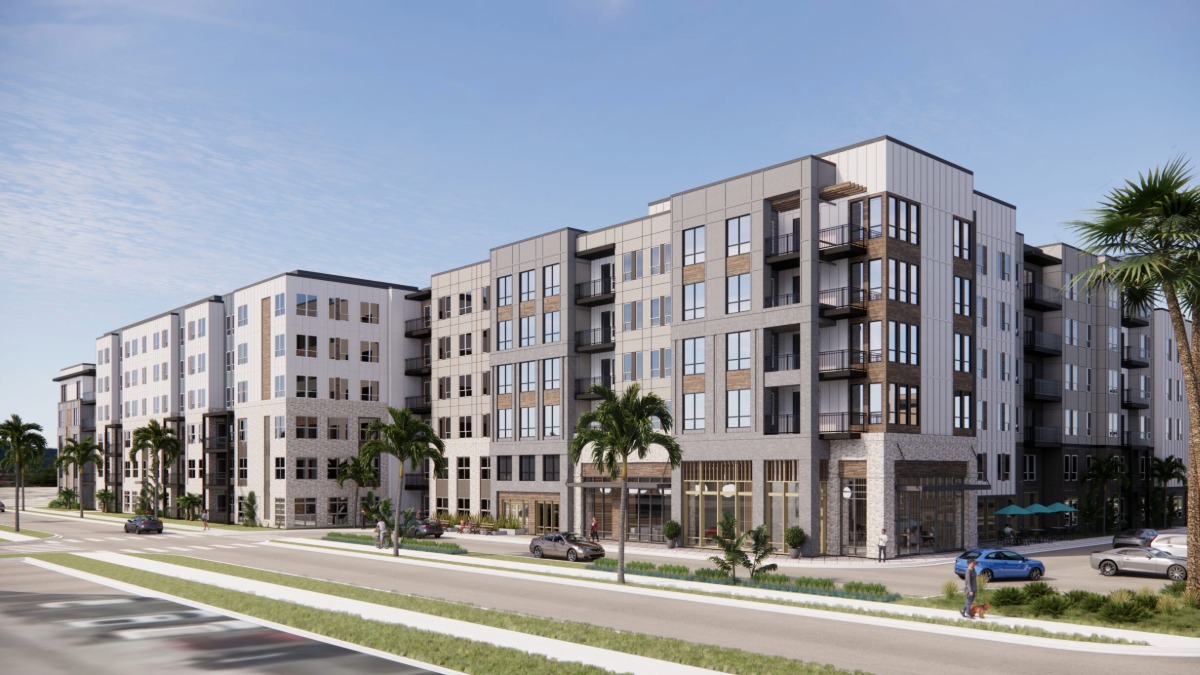
The Mark Tampa Breaks Ground on 800‑Bed Luxury Student Housing Near USF

Landmark Properties has officially begun construction on The Mark Tampa, a six‑story luxury student community featuring over 800 beds, rooftop amenities, study spaces, retail, and modern unit layouts. Set to open before the 2027–2028 school year, the project signals strong investor confidence in North Tampa’s booming student housing market.

Florida’s Insurance Costs Erupt Into a 2026 Election Flashpoint

Florida’s property and auto insurance crisis is intensifying, setting the stage for a major political showdown ahead of the 2026 elections. Republicans argue recent reforms are finally stabilizing the market, while Democrats insist families are being crushed by soaring premiums and can’t wait for relief. With homeowners, condo associations, and insurers all feeling the pressure, lawmakers are preparing for one of the most consequential legislative battles in years.

A December Fed Cut Could Be Coming — But Don’t Expect Mortgage Rates to Drop

Markets are betting heavily on a Federal Reserve rate cut in December, but that doesn’t guarantee lower mortgage rates. Even with an 85% chance of a cut priced in, mortgage rates move more with the 10‑year Treasury than the Fed itself — and recent history shows rates can rise even when the Fed eases. Today’s 6.43% average rate is the lowest in over a year, but still unpredictable, making financial readiness more important than trying to time the market.

Grand Junction’s Commercial Real Estate Market Surges 36% as New Chains Fuel Regional Growth

Grand Junction is experiencing a powerful commercial real estate upswing, with 151 commercial units closed so far in 2025—a 36% jump from last year. Building permits are also up 23%, signaling expanding development momentum. Brokers say interest from national chains is accelerating the city’s evolution, bringing jobs, investment, and long‑term economic potential to Colorado’s Western Slope.

Nashville Ranks #6 in Emerging Trends in Real Estate 2026 Report

Nashville continues its rise as one of the nation’s most attractive real estate markets, landing the #6 spot in the Emerging Trends in Real Estate 2026 report from PwC and ULI. With strong demographic momentum, business expansion, and a development pipeline drawing national eyes, the city stands out amid shifting economic conditions. The report highlights fast‑growing sectors such as data centers, senior housing, and evolving office dynamics—offering real estate professionals valuable insight into where opportunities are emerging next.

CRE This Week: The Key Trends Reshaping Canada’s Commercial Real Estate Market in 2025

Canada’s commercial real estate sector continues to evolve rapidly, with new data revealing major transactions, shifting investment patterns, and emerging economic signals across the country. From resilient retail spending to cooling construction and regional standouts like Montreal and the Prairies, this week’s CRE pulse—powered by Altus Group’s research team—gives real estate, mortgage, and finance professionals a sharp snapshot of the market forces to watch as 2025 winds down.