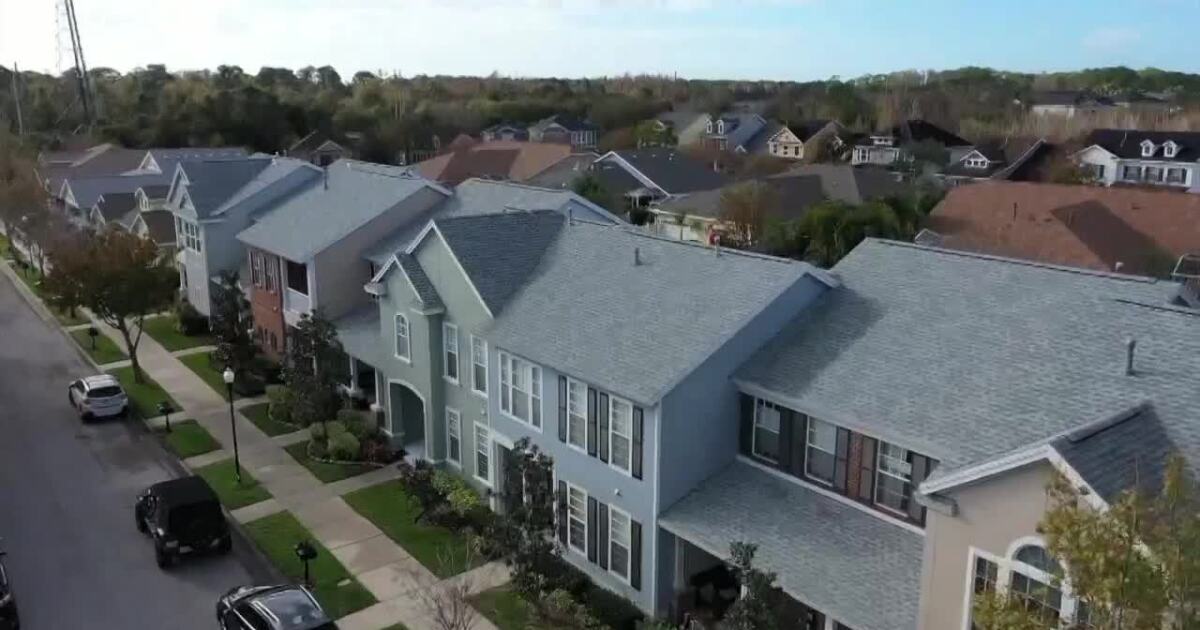
As mortgage rates continue their descent, the housing market is experiencing a shift that brings homeownership within reach for many. The recent decline in rates has sparked optimism among potential buyers, despite ongoing challenges such as rising home prices and regulatory changes.

Current Market Dynamics

The recent article from Forbes highlights that mortgage rates have fallen below 6.5%, providing relief for buyers compared to previous peaks. This change is partly influenced by the Federal Reserve’s interest rate policies, which could further impact rates in the coming months.

Meanwhile, experts like Lisa Sturtevant from Bright MLS suggest that declining mortgage rates, combined with increasing inventory, might stabilize home prices. However, the market still faces challenges with fewer homes being sold, maintaining pressure on affordability.

Supply Challenges

Despite more inventory entering the market, the demand continues to outpace supply. Existing homeowners locked into low rates contribute to this imbalance, indicating a prolonged demand-supply mismatch. This persistent deficit suggests that the housing market will need more time to achieve equilibrium.

Regulatory Changes Impacting Buyers and Sellers

The National Association of Realtors (NAR) has implemented new regulations following legal settlements. These changes alter commission structures and require buyers to enter agreements with brokers, potentially shifting financial responsibilities in real estate transactions. The impact of these changes on market activity remains to be seen.

Expert Insights on Market Conditions

Economists like Ralph McLaughlin of Realtor.com predict periods of slowed home price growth, followed by rebounds as buyer purchasing power improves. Anticipated rate cuts by the Federal Reserve and the gradual easing of home prices might provide relief, with expectations for a more balanced market by 2025.

Looking Forward: Opportunities and Risks

While affordability remains a concern, the combination of declining rates and increased home inventory presents a more promising outlook for buyers. However, the risk of a potential demand surge could reignite price growth, posing challenges for affordability.

Conclusion: A Time of Cautious Optimism

Despite ongoing challenges, lower mortgage rates and increased purchasing options offer buyers more leverage in negotiations. Experts advise against waiting for perfect market conditions, encouraging potential homeowners to explore opportunities as they arise.

For a deeper understanding of market predictions and evolving dynamics in the real estate sector, refer to the original article.

More Articles

Getting licensed or staying ahead in your career can be a journey—but it doesn’t have to be overwhelming. Grab your favorite coffee or tea, take a moment to relax, and browse through our articles. Whether you’re just starting out or renewing your expertise, we’ve got tips, insights, and advice to keep you moving forward. Here’s to your success—one sip and one step at a time!

Commercial Real Estate Steadies as Confidence Strengthens in Late 2025

The commercial real estate sector closed out 2025 with renewed stability, as the Real Estate Roundtable’s latest sentiment index shows rising confidence and improving market fundamentals. Executives report better access to capital, stronger performance in residential, retail, and hospitality, and early signs of recovery in the office market. With financing loosening and asset values climbing, the outlook for 2026 is increasingly optimistic, creating fresh opportunities for both seasoned professionals and newcomers preparing to enter the field.

What the CFPB’s New Disparate Impact Proposal Could Mean for Lenders and Real Estate Pros

The CFPB is proposing changes to how lenders evaluate “disparate impact” under the Equal Credit Opportunity Act, potentially tightening the scrutiny on credit decisions that unintentionally disadvantage protected groups. These updates could reshape underwriting models, lending criteria, and compliance requirements — ultimately influencing mortgage approvals, buyer qualifications, and day‑to‑day real estate activity.

Florida’s Insurance Battle Heats Up: The 2026 Political Showdown Every Property Professional Should Watch

Florida’s insurance crisis has become the defining issue heading into 2026, with Republicans touting recent market improvements while Democrats argue families are still being crushed by soaring premiums. From billion‑dollar auto insurance refunds to condo markets destabilized by post‑Surfside rate spikes, the state’s political divide is shaping the future of real estate, insurance, and affordability for millions.

Insurance Regulation Takes Center Stage: Key Changes Professionals Must Watch This Month

October 2025 brought a wave of major regulatory updates across insurance, finance, and compliance. From stricter oversight on retail insurers and new FCA rules on ESG and travel insurance, to EIOPA’s EU‑wide consultations and refreshed corporate governance standards, regulators signaled higher expectations and faster change ahead. For professionals—and those pursuing licenses—these shifts directly impact risk management, product design, and consumer outcomes, making regulatory awareness a critical competitive advantage.

Commercial Real Estate Lending Roars Back in Q3 as Confidence Surges Across the Market

After nearly two years of sluggish activity, commercial real estate lending is finally accelerating—fast. New data from CBRE shows loan closings jumped 112% year‑over‑year in Q3 2025, reaching their highest level since 2018. With interest rates stabilizing and credit spreads tightening, investors are returning, banks are re‑entering the market, and multifamily financing is dominating once again. The long‑stalled deal flow is thawing, signaling renewed momentum heading into 2026.

Farmers Insurance Reopens California Market but Seeks Nearly 7 Percent Rate Hike

Farmers Insurance is lifting its cap on new homeowner policies in California after two years of limiting growth, signaling a shift in the state’s strained insurance market. The expansion comes with a proposed 6.99 percent rate increase that still needs regulatory approval. Supporters call it a turning point driven by new wildfire‑risk rules, while consumer advocates warn the reforms contain loopholes and could lead to higher costs for homeowners.