Real estate transactions are often complex and fraught with potential pitfalls, making them a prime target for scammers. Whether you’re buying, selling, or refinancing, it’s crucial to be aware of the various scams that could impact your financial well-being. This guide provides an in-depth look at some of the most common real estate scams and offers tips on how to protect yourself.

Understanding Common Real Estate Scams

1. Wire Fraud Scam

Wire fraud is a significant threat in the real estate sector. Scammers often pose as real estate agents or other trusted parties to trick buyers into wiring funds to fraudulent accounts. These scams can be particularly challenging to detect as scammers use sophisticated software to mimic legitimate email addresses and phone numbers.

Protection Tips: To safeguard yourself, always verify wiring instructions through a trusted phone number and stay on the call during the transaction. Never rely solely on email communications for such sensitive transactions.

2. Foreclosure Relief Scam

Homeowners facing foreclosure are often targets of scammers who promise to stop the process or modify loans for an upfront fee. Unfortunately, victims not only lose money but also remain at risk of losing their homes.

Protection Tips: Avoid paying upfront for services that have not been completed. Verify the legitimacy of individuals or companies offering help by checking attorney credentials through state bar websites.

3. Loan-Flipping Scam

This scam involves convincing homeowners to refinance their mortgages repeatedly, incurring high fees and reducing home equity. Seniors, who often have significant equity, are particularly vulnerable.

Protection Tips: Work only with trusted lenders and consult with family or friends before making financial decisions. Always read the fine print and understand all terms before agreeing to refinance.

4. Messages From Fake Buyers

Scammers may send unsolicited messages to homeowners, pretending to be interested buyers to extract personal information. This can lead to identity theft or other forms of fraud.

Protection Tips: Protect yourself by working with a trusted real estate agent who can vet potential buyers. If you are selling on your own, be prepared to do thorough background checks on interested parties.

General Tips to Avoid Real Estate Scams

Awareness and diligence are key to avoiding these scams. Always verify the identity of individuals and companies you are dealing with, and consult trusted professionals when in doubt. Here are some additional tips:

  • Use trusted real estate professionals and check their credentials.
  • Be wary of deals that seem too good to be true.
  • Keep your personal information secure and be cautious about sharing it.
  • Stay informed about the latest scams and tactics used by fraudsters.

By staying informed and vigilant, you can protect yourself from becoming a victim of real estate scams. Always take the time to verify information and consult with trusted professionals before making any significant financial decisions.

For more detailed information on real estate scams, consider visiting the following resources:

More Articles

Getting licensed or staying ahead in your career can be a journey—but it doesn’t have to be overwhelming. Grab your favorite coffee or tea, take a moment to relax, and browse through our articles. Whether you’re just starting out or renewing your expertise, we’ve got tips, insights, and advice to keep you moving forward. Here’s to your success—one sip and one step at a time!

Florida’s Insurance Crisis Explained: Why Coastal Risk Is Pushing the Market to Its Breaking Point

Florida’s insurance market is under intense pressure as millions of residents and trillions in property wealth cluster along hurricane‑vulnerable coastlines. This article breaks down how decades of growth in high‑risk zones created today’s crisis, why traditional pricing models can’t keep up, and what real estate and insurance professionals must do to stay ahead. It offers actionable insights on underwriting, risk communication, policy partnerships, and resilience planning—critical knowledge for anyone advising Florida homeowners or navigating the state’s evolving insurance landscape.

Sky‑High Insurance Rates Are Now Florida’s “New Normal,” Experts Warn

Florida’s homeowners insurance market may have stabilized, but not in the way residents hoped. After years of runaway increases, premiums have stopped spiking—but they’re holding at painfully high levels. Coastal properties remain the hardest hit, with some policies topping $15,000 a year, while insurers continue demanding costly upgrades and resisting calls for transparency. For real estate professionals, understanding these pricing pressures is becoming essential as insurance costs increasingly shape buyer decisions across the state.

Hurricane Insurance in Florida: The 2026 Coverage Guide Every Homeowner Needs

Florida homeowners face soaring premiums, shrinking insurer options, and storms that grow stronger each year. This article breaks down what hurricane insurance actually covers, how deductibles really work, why flood insurance is essential, and what professionals in real estate, mortgage, and insurance must understand to protect clients and properties before the next major storm hits.

The Legacy Leader Steps Down: Teresa King Kinney Retires After 33 Years Transforming MIAMI Realtors

Teresa King Kinney, one of the most influential executives in modern real estate, is retiring after 33 years as CEO of the MIAMI Association of Realtors. Under her leadership, the organization grew from 5,000 members to 60,000, became a global real estate powerhouse, and built the nation’s largest association‑owned MLS. As she transitions into CEO Emeritus, MIAMI prepares for a new era shaped by the foundation she spent decades building.

Miami’s Commercial Real Estate Surges Back as Retail Leads a 2025 Rebound

Miami’s commercial property market is heating up again, posting an 11% jump in investment volume for 2025. The surge is driven largely by a revitalized retail sector fueled by population growth, strong tourism, and new mixed‑use development. While office and industrial activity remains steady but softer, investor confidence is returning as Miami’s CRE landscape matures and buyers re‑enter the market with renewed interest in high‑traffic retail opportunities.

The Fed Signals Big Mortgage Rule Changes That Could Reshape Home Lending

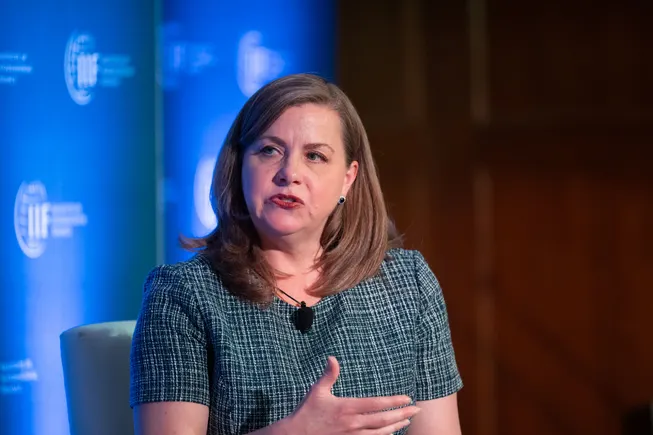
The Federal Reserve is preparing major changes to mortgage regulations in an effort to pull more mortgage activity back into the banking sector. With banks losing significant market share to nonbank lenders over the past decade, Fed Vice Chair for Supervision Michelle Bowman says new proposals may ease capital requirements and make mortgage servicing more attractive for banks. These shifts could have wide‑ranging effects on real estate professionals, lenders, and borrowers as the balance of power in the mortgage market begins to shift once again.