The Lakes Region of New Hampshire is undergoing a significant metamorphosis in its housing market as the year 2025 unfolds, offering a landscape marked by both opportunity and scarcity. Buyers face a complex environment reminiscent of the serene yet intricate waters of Lake Winnipesaukee.

Reflecting back on 2024, a paradox of growth emerged. Single-family home sales and condo transactions fell by nearly 5%, yet median prices surged, underscoring a strong demand confronting limited supply. Specifically, single-family median home prices jumped by 10.39%, with condos not far behind with a 6.8% increase.

In 2025, this narrative begins to shift. The market experienced an increase in single-family home transactions and a notable rise in median sales prices, signaling sustained demand. However, the average time homes spend on the market has expanded, shining a light on cautious, discerning buyers. Nonetheless, the Lakes Region remains a desirable destination due to its natural beauty and a thriving short-term rental sector.

Amidst this bustling activity, a pressing concern surfaces: skyrocketing affordability challenges. Monthly payments have increased by 164% since 2019, pricing many locals out of the market as median incomes lag behind housing costs.

Navigating this evolving housing theatre will require both buyers and sellers in New Hampshire to embrace patience and strategy. The vigor of the market reflects an evolving domain demanding attentive observation and judicious decision-making, especially as New Hampshire eyes the need for 60,000 additional housing units by 2030.

Unlocking the Secrets of New Hampshire’s Lakes Region Housing Market

How-To Steps & Life Hacks for Buyers and Sellers:

  1. Stay Informed: Monitor market trends through local real estate reports and news.
  2. Leverage Local Expertise: Engage real estate agents with in-depth knowledge of the Lakes Region market.
  3. Consider Timing: Explore listings during fall and winter to face less competition.
  4. Explore Financing Options: Look into state programs aiding first-time buyers.
  5. Negotiate Smartly: Understand factors beyond price that strengthen your offer in a seller’s market.

Real-World Use Cases:

  • Investment Opportunity: Tap into the profitable short-term rental market by investing in rental properties given the area’s tourist appeal.
  • Retirement Destination: Ideal for retirees longing for tranquility and natural beauty, along with convenient amenities.

Experts suggest that the desirability of the Lakes Region will ensure steady demand despite rising median prices. According to Zillow, there may be a slight plateau in pricing, given the constraints in inventory.

Market Forecasts & Industry Trends:

The Lakes Region housing market attracts higher prices compared to the wider New Hampshire area due to its unique geographic appeal and tourism draw.

Controversies & Limitations:

  • Affordability Crisis: Rising costs challenge local residents as prices surpass median income levels.
  • Infrastructure Strains: Growing demand poses challenges such as traffic congestion and overcrowded schools.

Future Insights and Predictions:

The natural allure and seasonal population influxes imply continuous interest and investment. However, balancing development with the need for affordability and infrastructure improvements remains a priority.

For more insights and housing opportunities, visit the New Hampshire Association of Realtors for the latest listings and market information.


More Articles

Getting licensed or staying ahead in your career can be a journey—but it doesn’t have to be overwhelming. Grab your favorite coffee or tea, take a moment to relax, and browse through our articles. Whether you’re just starting out or renewing your expertise, we’ve got tips, insights, and advice to keep you moving forward. Here’s to your success—one sip and one step at a time!

How Post‑Election Power Shifts Are Setting Up a New Real Estate Landscape for 2026

Local elections across major U.S. cities have kicked off a wave of policy changes that could reshape development costs, rental income, and investment strategies heading into 2026. From NYC’s aggressive tenant‑protection agenda to Chicago’s sustainability push, Miami’s political uncertainty, and Boston’s steady zoning overhaul, the post‑election environment is redefining how real estate professionals, investors, and lenders should prepare for the year ahead.

The Surge of AI Insurance Exclusions Reshaping Professional Liability in 2025

Insurance carriers are rapidly rolling out AI-related exclusions that strip coverage from claims involving AI tools, automated decision‑making, or generative platforms like ChatGPT and Midjourney. With firms like Berkley and Hamilton introducing sweeping “absolute” and generative‑AI‑specific exclusions, professionals in real estate, mortgage, insurance, and finance now face new liability gaps. As AI becomes unavoidable in everyday work, understanding these exclusions is essential for protecting your career and staying compliant in a fast‑changing risk environment.

Venn Lands $52M to Rebuild the Renting Experience — A Shift Real Estate Pros Can’t Ignore

Proptech startup Venn has raised a $52 million Series B to unify the entire renting lifecycle into one intelligent platform, replacing over a dozen traditional systems and serving more than half a million tenants. As AI‑powered tools like Venn rapidly reshape property operations, real estate professionals — especially in fast‑moving markets like Florida — will need stronger education and tech‑savvy skills to stay competitive.

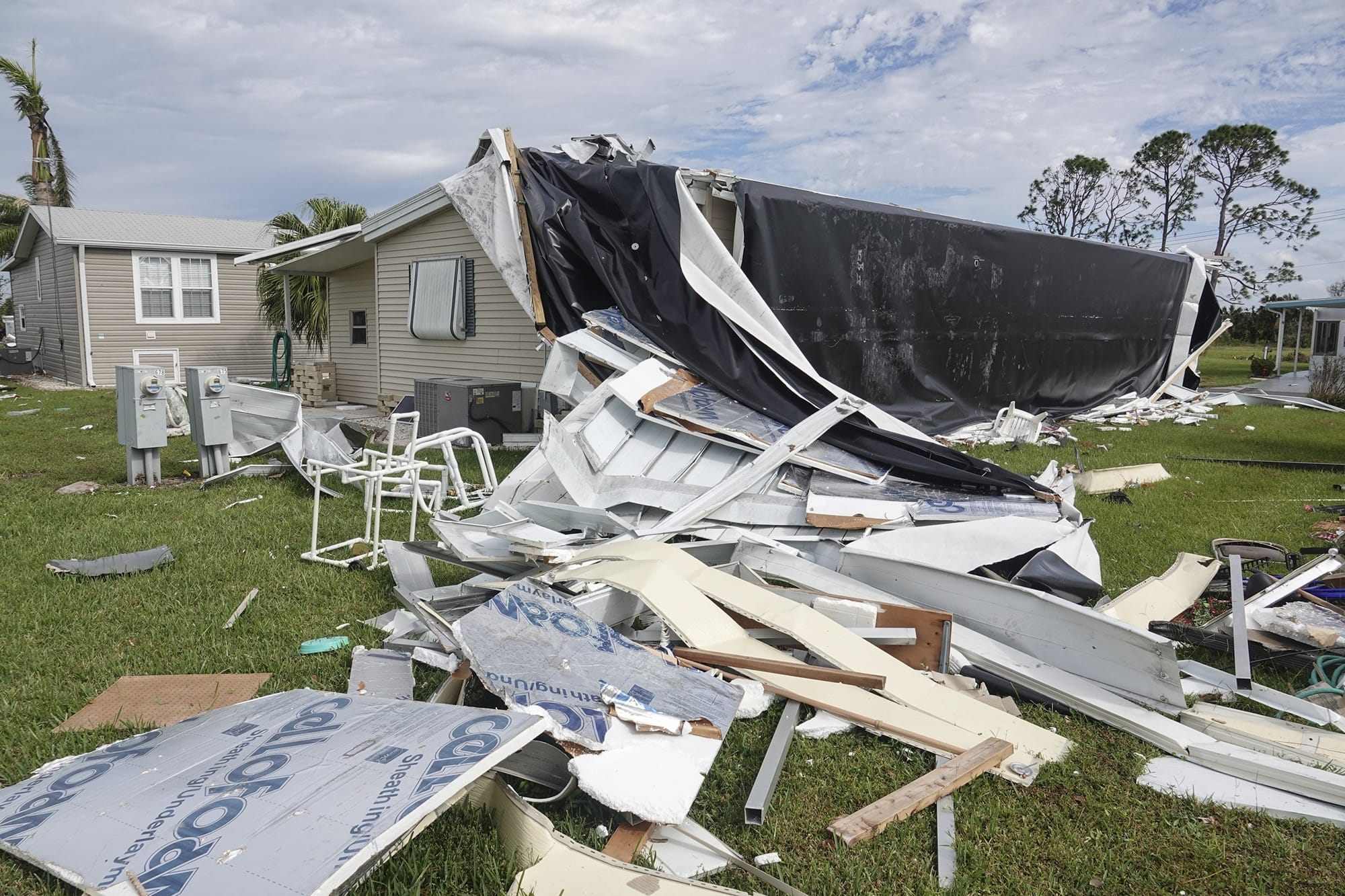
Rising Insurance Costs Push Florida’s Middle Class to the Brink

Florida’s Gulf Coast is undergoing a dramatic transformation as soaring insurance premiums, costly construction requirements, and the long shadow of Hurricane Ian force middle‑class families, workers, and longtime residents out of communities they once anchored. With premiums topping $5,700 a year — and many paying far more — Realtors warn of looming foreclosures, renters face steep increases, and entire neighborhoods are being rebuilt for wealthier newcomers. This mounting crisis is reshaping the state’s real estate landscape and leaving professionals scrambling to adapt.

Top Commercial Real Estate Issues to Watch in 2026

Economic uncertainty, rapid tech advances and shifting population patterns are setting the stage for a pivotal year in commercial real estate. New findings from the Counselors of Real Estate, presented at NAR NXT, outline ten major forces reshaping strategy, investment and opportunity in 2026—from policy impacts and portfolio risk to AI adoption, capital flow changes, housing attainability and demographic shifts. This outlook offers clarity and caution for professionals across real estate, mortgage, finance and related fields.

New Reforms, Familiar Risks: Why Florida’s Home Insurance Market Still Isn’t Stabilizing

Florida’s home insurance crisis is back in the spotlight as new reforms appear to be repeating decades‑old mistakes. Despite efforts to depopulate Citizens and attract private insurers, many of the companies taking over policies have ties to past insolvencies. Critics say weak oversight, generous ratings, and political influence are allowing unstable insurers to thrive while homeowners pay more for less protection. Experts warn that without transparent ratings, real accountability, and unified regulation, Florida’s insurance market will remain vulnerable—putting property values, lending, and the broader real estate industry at risk.