So, You’re a Realtor and Want to Crush It on TikTok? Here’s What You Need to Know
Ever wondered how TikTok became the playground for realtors? I mean, who would’ve thought that a platform famous for dance challenges and lip-syncing could double as a powerhouse lead-generation tool? If you’re not on TikTok yet as a real estate agent, what are you even doing? Seriously, the market is there, it’s free, and it’s begging for you to shine. But don’t panic if you’re starting from scratch—today, we’re diving into Karis’s masterclass on the TikTok basics for realtors. Spoiler: It’s the step-by-step guide you didn’t know you needed.
Setting the Stage—Why TikTok?
Let’s address the elephant in the room—TikTok, for realtors? Yes, absolutely! Karis kicks off the conversation by acknowledging a common struggle: so many agents know they should be on TikTok but have zero clue where to begin. And hey, no shame—jumping into a new app can feel like showing up to an open house in your pajamas.
TikTok isn’t just for teens or viral dances anymore. It’s proven itself as a legit tool for branding and lead generation for realtors. Karis herself says that TikTok is the top source for her business, and she’s not gatekeeping her playbook.
A Realtor’s TikTok Starter Pack
Okay, so imagine you’re downloading TikTok for the very first time—no filters, no followers, just you and the untapped power of your potential. Here’s the breakdown straight from Karis:
Claim Your Identity (Name + Username): Your username is searchable—huge win! Stick with your full name or add “Realtor” if you’re building a personal brand. If you rep a team, branding cohesion is key.
Keep It Cohesive (Profile Picture): This isn’t a selfie free-for-all. Karis recommends using the same profile picture across all platforms (Instagram, LinkedIn, Google My Business). Why? Because consistency builds trust, and people recognize your face.
Craft a Killer Bio: Two MUST-haves in there:
Mention you’re a realtor or real estate agent.
Include your location (state, city, or region).
Don’t skimp on adding a website! Karis suggests using a tool like Linktree for bonus efficiency. Why list one link when you can subtly flex all your platforms in one neat package? Genius.
TikTok Navigation—Master the Playground
Navigating TikTok as a newbie can feel like wandering into IKEA—it’s overwhelming, and everything looks fun. Karis demystifies it step by step:
Your Home Page has two sections: the Following tab (for accounts you follow) and the For You page (where the algorithm gets witchy and shows you curated content). Initialize your feed by following other top creators in your niche—hello, instant inspo!
The Discover Page is where trends, sounds, and hashtags live. Use it to spy on what’s hot in your area and niche. Think of it like networking at a conference—but you’re in your pajamas.
Drafts are Your Best Friend: Batch content creation, people! Spend an hour pumping out content, save it to drafts, and drip-feed it later. This is TikTok 101 for busy professionals.
A Crash Course in Video Creation
Now for the crux of it all: making your first TikTok. Karis turns this potentially terrifying feat into something as straightforward as assembling a pre-cut charcuterie board.
Set your video timer to 60 seconds. Not only does this keep things concise, but it also makes your video repurposable for Instagram Reels and YouTube Shorts. Multitasking for the win!
Use tripods and timers to shoot hands-free (and avoid the dreaded shaky camera look).
Add captions and hashtags: Create context for your audience by detailing what your video is about and using a sprinkle of niche-specific hashtags (3–5 is perfect).
Pin your BEST videos: Highlight your top three performing TikToks on your profile to make your page binge-worthy for new visitors.
But Why Does the TikTok Algorithm Feel Like a Magic Eight Ball?
TikTok isn’t pulling content out of a hat; it’s running on a laser-focused algorithm that learns your preferences as you engage. Karis explains it brilliantly: your early posts will feel like dropping a pebble into a massive pond, but as the algorithm analyzes user behavior (views, likes, shares), it’ll start showing your content to more people who might care.
Want to find top-performing realtors or trends in your area? Search for them. Want TikTok to know you’re into real estate content? Binge-watch a few related videos. The app learns what you like—and what your future followers will like, too.
TikTok Is More Than Fun—it’s a Legit Business Tool
Now, here’s where Karis really drives it home: TikTok is free. If you’re not leveraging a platform that can send you high-quality leads while making entertaining content, are you even hustling? (Harsh, but true.) Not to mention, TikTok gives you that sweet opportunity to connect with people not just as a salesperson but as, you know, you.
Karis suggests involving TikTok in your overall real estate strategy and seeing where it takes you. Why wouldn’t you want to do something that’s equal parts fun and lucrative?
Final Thoughts: The TikTok Realtor Revival is Here
Karis delivers a goldmine of tips for TikTok noobs, but honestly, her advice transcends the real estate niche. Whether you’re a realtor, a small business owner, or just somebody trying to get your face on the digital map, there’s something valuable here for everyone.
So, let’s pass the mic to you: Have you started creating TikTok content yet? Did you try any of Karis’s tips already? Let’s talk in the comments because, let’s face it, we’re all just here trying to figure out this wacky little app together.
Your move, realtors! Hit me up with your stories or even drop your TikTok handle below—I could always use some niche-specific inspo myself. Who needs another scrolling binge when we could be scrolling you?
“`
More Articles
Getting licensed or staying ahead in your career can be a journey—but it doesn’t have to be overwhelming. Grab your favorite coffee or tea, take a moment to relax, and browse through our articles. Whether you’re just starting out or renewing your expertise, we’ve got tips, insights, and advice to keep you moving forward. Here’s to your success—one sip and one step at a time!
A growing share of American homeowners now carry mortgage rates above 5%—a dramatic shift that’s reshaping refinancing, inventory, and buyer behavior nationwide. With more than 30% of borrowers locked into rates over 5% and 20% above 6%, the market is split between owners holding on to low pandemic‑era loans and new buyers taking on higher‑rate mortgages. Federal efforts to push rates down could unlock millions of refinancing opportunities, while buyers see only modest monthly savings. For real estate professionals, understanding these rate dynamics is crucial as they increasingly drive inventory levels, affordability, and market activity.
New Moody’s data shows commercial real estate deal volume slipped 20% in December, marking a second monthly decline. Yet the full year tells a different story: 2025 ended with a 17% gain, signaling a quiet but resilient recovery. The biggest surprise came from the office sector, which posted a 21% jump in activity as return‑to‑office trends and AI‑driven job growth boosted demand. Multifamily, retail, and alternative assets like data centers also saw strong momentum, giving real estate professionals a market full of fresh opportunities heading into 2026.
Florida drivers and industry professionals are heading into 2026 with good news: auto insurance rates are dropping across the state as the market shows strong signs of stabilization. USAA leads the latest wave with a 7% average rate decrease expected in May 2026, saving members more than $125 million annually. They join several major insurers — including State Farm, Progressive, AAA, Allstate, and Florida Farm Bureau — all approving significant reductions. Officials credit recent legislative reforms, especially tort reform, for the improved loss ratios and renewed insurer confidence. With both auto and home insurance markets strengthening, Florida’s real estate, mortgage, and insurance professionals can expect more consumer confidence, smoother transactions, and expanding career opportunities.
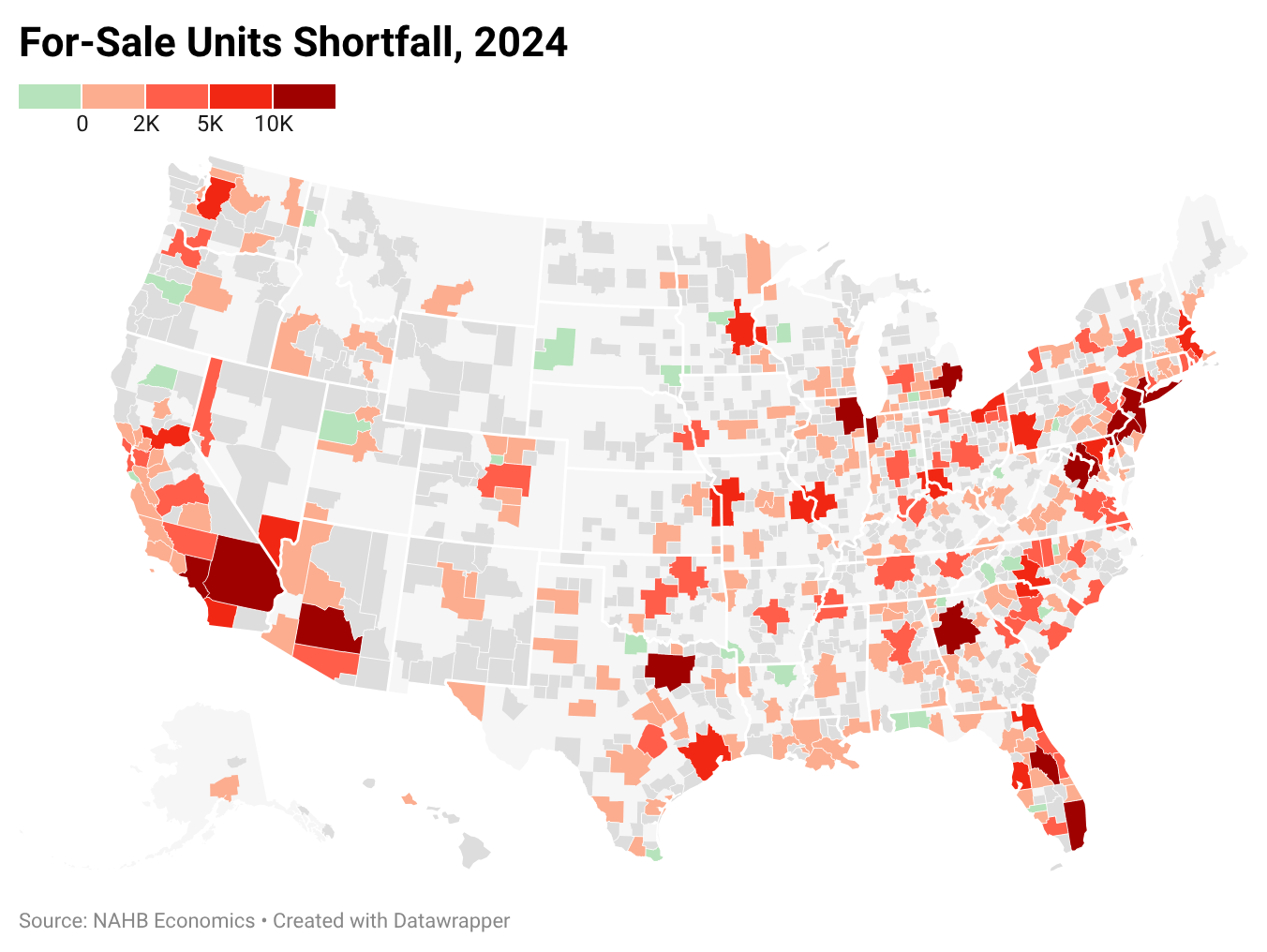
New data from Eye On Housing and the NAHB shows the U.S. remains short more than 1.2 million housing units, keeping pressure on both rents and home prices. Record‑low vacancy rates, slow single‑family construction, and restrictive zoning continue to fuel intense competition in 2024. Major metros like Chicago, New York, and Atlanta face some of the deepest deficits, and the true nationwide shortfall may be even higher when accounting for overcrowding and aging homes. For real estate professionals, the ongoing shortage means sustained demand, tighter inventory, and major opportunities for those who understand the evolving market.
Top real estate coach Jason Pantana says the divide between agents today isn’t about who has “tried” AI — it’s about who is immersed in it. In a new HousingWire interview, he explains why AI isn’t a gimmick but a full business system that amplifies output, improves authenticity, and reshapes how clients search for agents. From prompt mastery to AI‑driven visibility on Google, Pantana reveals how agents who commit even 15 minutes a day to learning AI are already outperforming those who hesitate.
Dallas–Fort Worth’s commercial real estate market closed 2025 with a split personality. Industrial dominated with massive new deliveries and soaring leasing demand, retail held steady with some of the market’s strongest fundamentals in years, and office continued to falter under remote‑work pressures. High vacancies, weak absorption, and rising demand for top‑tier space show the sector’s ongoing reset. Meanwhile, industrial and retail strength position the Metroplex for another powerhouse year heading into 2026.