As the dust settles on the recent Republican victory in the U.S. presidential election, the tax landscape is poised for significant changes. With President-elect Donald Trump set to return to the White House, both individuals and businesses are bracing for a potential overhaul in tax policies. The original article from Thomson Reuters provides a comprehensive look into these anticipated changes.
On the campaign trail, Trump proposed a broad range of tax policy ideas that could reshape the financial strategies of many. As we look ahead, some of the key adjustments for 2025 have already been outlined by the IRS, offering a glimpse into what taxpayers can expect.
IRS Adjustments for 2025
Each year, the IRS adjusts numerous tax provisions for inflation to prevent “bracket creep,” where inflation pushes taxpayers into higher income tax brackets without an actual increase in real income. For 2025, notable changes include:
Standard Deductions: For married couples filing jointly, the deduction increases to $30,000. Heads of households will see a rise to $22,500, while single taxpayers and married individuals filing separately will have a $15,000 deduction.
Alternative Minimum Tax (AMT) Exemption: The exemption for unmarried individuals increases to $88,100, with married couples filing jointly enjoying an exemption of $137,000.
Earned Income Tax Credit: For those with three or more qualifying children, the maximum amount rises to $8,046.
Estate Tax Credits: The federal estate-tax exclusion amount will increase to $13.99 million.
401(k) and Roth Changes
Significant updates to retirement-related items have been announced. The 401(k) contribution limit will increase to $23,500, and the catch-up contribution limit for those aged 60 to 63 will be $11,250. Additionally, higher income thresholds for Roth IRA contributions have been set, with singles and heads of household seeing a phase-out range between $150,000 and $165,000.
Future of the TCJA Under Trump
With a portion of the Tax Cuts and Jobs Act (TCJA) set to expire at the end of 2025, Trump’s administration is likely to push for extensions and modifications. Key proposals include extending the Qualified Business Income deduction, reinstating 100% bonus depreciation, and potentially eliminating the $10,000 cap on state and local tax deductions.
As the political landscape shifts, tax professionals are urged to stay informed and proactive. The original article emphasizes the importance of strategic tax planning and offers guidance on navigating these changes.
With so much uncertainty, the role of financial advisors and tax professionals becomes crucial in helping clients understand and adapt to the evolving tax environment. As noted by Shaun Hunley, Executive Editor at Thomson Reuters, “Modeling different scenarios and proactively advising clients will be key to preparing for whatever outcome unfolds.“
Stay Informed
For those looking to remain updated, subscribing to the Checkpoint newsstand can provide timely insights directly to your inbox.
More Articles
Getting licensed or staying ahead in your career can be a journey—but it doesn’t have to be overwhelming. Grab your favorite coffee or tea, take a moment to relax, and browse through our articles. Whether you’re just starting out or renewing your expertise, we’ve got tips, insights, and advice to keep you moving forward. Here’s to your success—one sip and one step at a time!
Florida’s home insurance market is experiencing a wave of optimism as recent litigation reforms lead to fewer lawsuits, stronger insurer stability, and even rate reductions. With companies like Florida Peninsula lowering premiums and 17 new insurers entering the state, real estate, mortgage, and insurance professionals can expect smoother transactions, increased buyer confidence, and a more competitive market environment in the year ahead.
Mortgage rates have dipped to levels not seen since 2022, with the 30‑year fixed averaging just 6.361% and Freddie Mac reporting an even lower 6.06%. The drop is reshaping buyer affordability, sparking renewed market activity, and creating fresh opportunities for real estate professionals—especially in fast‑moving markets like Florida.
The 2026 housing market is shaping up to be one of the most pivotal in years, with mortgage rates showing slight relief, affordability shifting toward the Midwest and South, and buyers turning to options like ARMs and new‑construction homes. Early signals point to new opportunities for buyers, investors, and real‑estate professionals—especially those ready to navigate a market defined by moderate rate drops, regional affordability gaps, and builder‑driven incentives.
Ares Commercial Real Estate CEO Bryan Donohoe sold US$107k in shares this week, trimming his stake by 13% and adding to a pattern of insider selling with no insider purchases in the past 12 months. With insider ownership sitting at a modest 1.6%, the activity signals a cautious tone inside the company—something real estate, mortgage, and finance professionals may want to watch as they assess broader market confidence.
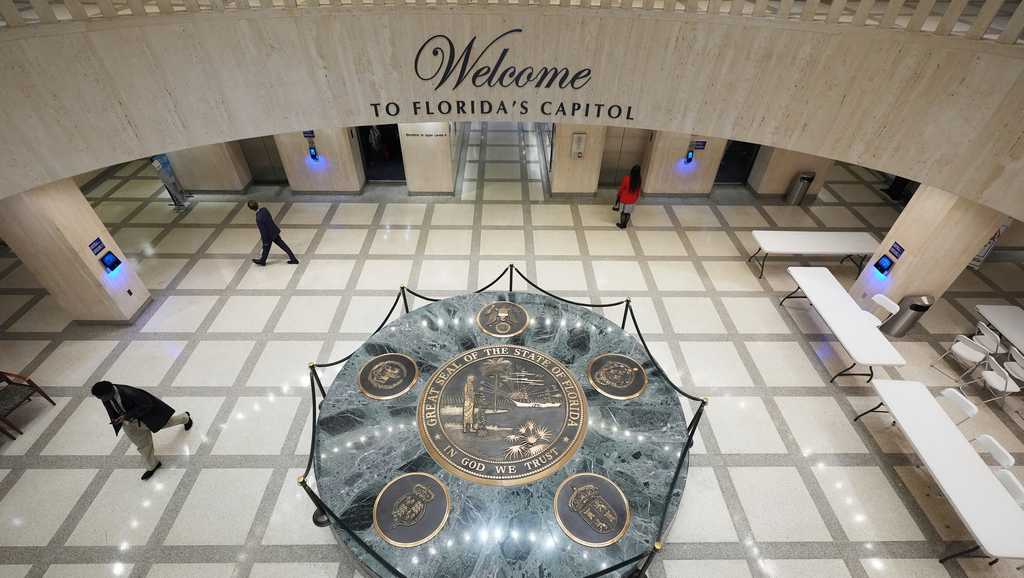
Florida’s 2026 legislative session is officially underway, launching a wave of high‑impact bills targeting property insurance reform, a proposal to eliminate property taxes, new education attendance requirements, and even an AI Bill of Rights. With over a hundred bills already filed, real estate agents, investors, insurers, educators, and other licensed professionals can expect significant regulatory shifts that may reshape Florida’s housing market, insurance costs, and professional compliance standards.
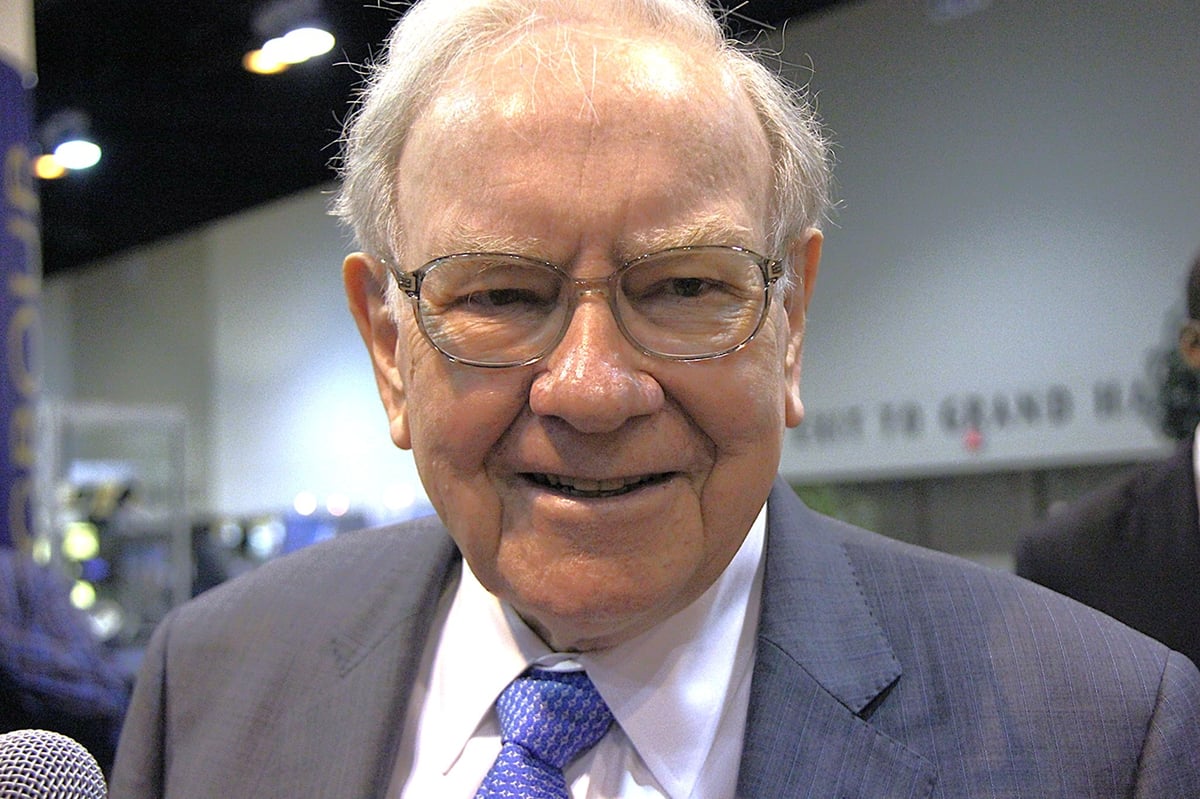
Warren Buffett’s timeless investing wisdom is more relevant than ever in 2026. Despite decades of market change, his core lesson remains the same: long‑term conviction outperforms short‑term prediction. From embracing occasional underperformance to avoiding emotional decisions, Buffett’s philosophy highlights why deep understanding and steady confidence are more valuable than trying to forecast market swings. This mindset isn’t just for investors—it’s a guiding principle for professionals looking to grow their careers with clarity and purpose.