As the dust settles on the recent Republican victory in the U.S. presidential election, the tax landscape is poised for significant changes. With President-elect Donald Trump set to return to the White House, both individuals and businesses are bracing for a potential overhaul in tax policies. The original article from Thomson Reuters provides a comprehensive look into these anticipated changes.
On the campaign trail, Trump proposed a broad range of tax policy ideas that could reshape the financial strategies of many. As we look ahead, some of the key adjustments for 2025 have already been outlined by the IRS, offering a glimpse into what taxpayers can expect.
IRS Adjustments for 2025
Each year, the IRS adjusts numerous tax provisions for inflation to prevent “bracket creep,” where inflation pushes taxpayers into higher income tax brackets without an actual increase in real income. For 2025, notable changes include:
Standard Deductions: For married couples filing jointly, the deduction increases to $30,000. Heads of households will see a rise to $22,500, while single taxpayers and married individuals filing separately will have a $15,000 deduction.
Alternative Minimum Tax (AMT) Exemption: The exemption for unmarried individuals increases to $88,100, with married couples filing jointly enjoying an exemption of $137,000.
Earned Income Tax Credit: For those with three or more qualifying children, the maximum amount rises to $8,046.
Estate Tax Credits: The federal estate-tax exclusion amount will increase to $13.99 million.
401(k) and Roth Changes
Significant updates to retirement-related items have been announced. The 401(k) contribution limit will increase to $23,500, and the catch-up contribution limit for those aged 60 to 63 will be $11,250. Additionally, higher income thresholds for Roth IRA contributions have been set, with singles and heads of household seeing a phase-out range between $150,000 and $165,000.
Future of the TCJA Under Trump
With a portion of the Tax Cuts and Jobs Act (TCJA) set to expire at the end of 2025, Trump’s administration is likely to push for extensions and modifications. Key proposals include extending the Qualified Business Income deduction, reinstating 100% bonus depreciation, and potentially eliminating the $10,000 cap on state and local tax deductions.
As the political landscape shifts, tax professionals are urged to stay informed and proactive. The original article emphasizes the importance of strategic tax planning and offers guidance on navigating these changes.
With so much uncertainty, the role of financial advisors and tax professionals becomes crucial in helping clients understand and adapt to the evolving tax environment. As noted by Shaun Hunley, Executive Editor at Thomson Reuters, “Modeling different scenarios and proactively advising clients will be key to preparing for whatever outcome unfolds.“
Stay Informed
For those looking to remain updated, subscribing to the Checkpoint newsstand can provide timely insights directly to your inbox.
More Articles
Getting licensed or staying ahead in your career can be a journey—but it doesn’t have to be overwhelming. Grab your favorite coffee or tea, take a moment to relax, and browse through our articles. Whether you’re just starting out or renewing your expertise, we’ve got tips, insights, and advice to keep you moving forward. Here’s to your success—one sip and one step at a time!
After a turbulent 2025 marked by stalled construction, tight capital, and economic uncertainty, commercial real estate is finally entering a period of stabilization and early recovery. Analysts across Colliers, Cushman & Wakefield, CoStar, KBW, and Deloitte agree that 2026 brings a “new equilibrium,” with capital markets waking up, vacancies peaking, and investment activity returning. Office, industrial, retail, multifamily, and data center sectors each tell a different story—some recovering, some booming, some transforming—but all show signs of renewed momentum. For investors and professionals, 2026 offers cautious yet promising opportunities as the industry regains its footing.
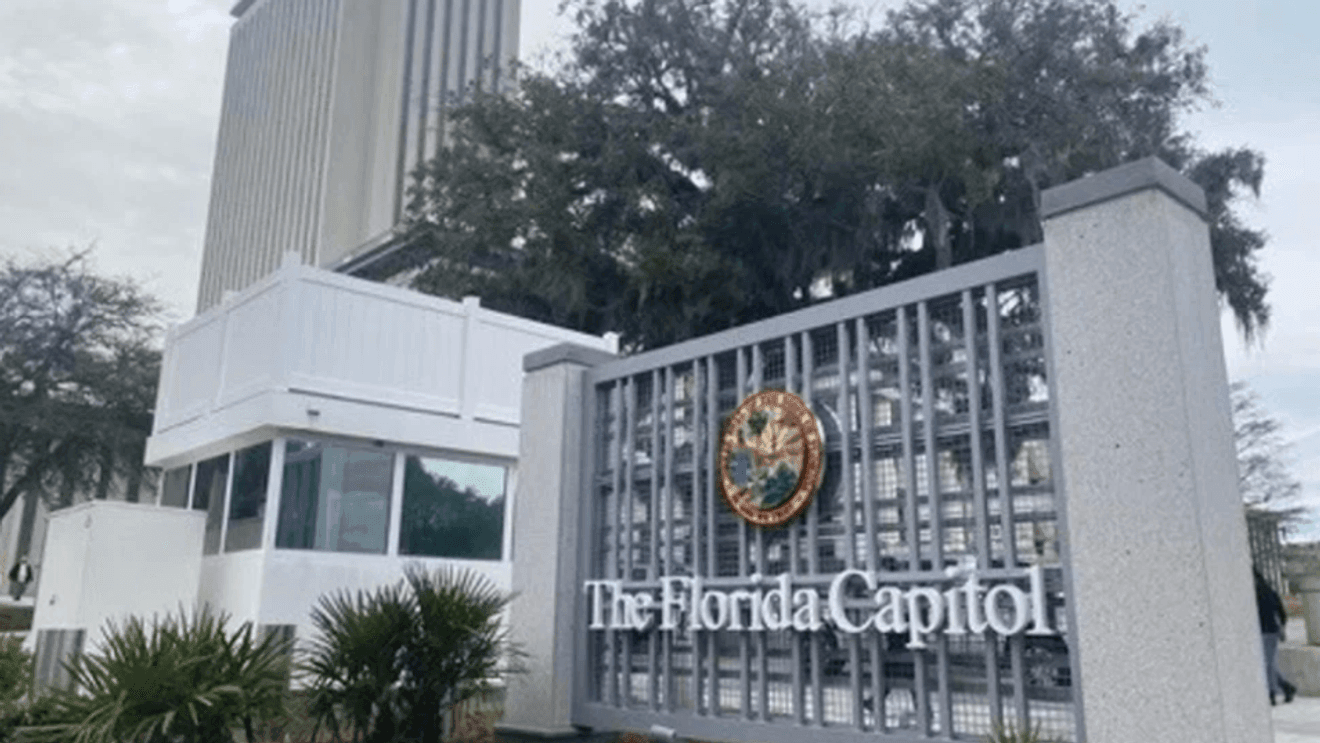
Florida kicked off the new year with five impactful laws now in effect, influencing healthcare, insurance, animal welfare, and government employees statewide. From faster medical refund requirements to new pet‑insurance transparency rules and expanded benefits for state workers, these updates are already reshaping daily life and professional practices. Whether you work in real estate, insurance, healthcare, or any state‑licensed field, staying informed on these changes is essential as regulations continue to shift rapidly across Florida.
The commercial real estate market is entering 2026 with renewed momentum and long‑awaited signs of stability. Major research firms report a “new equilibrium” forming across asset classes, supported by lower interest rates, easing lending conditions, and returning investor confidence. Office vacancies are projected to improve, industrial demand remains strong despite reduced construction, and data centers continue to dominate growth. With capital markets reawakening and REITs poised for a potential breakout year, professionals who stay informed and expand their skill sets could find 2026 filled with fresh opportunity.
Mortgage rates have fallen to their lowest point since 2024, giving homebuyers a much‑needed break as 2026 begins. The average 30‑year fixed rate now sits near 6.12% to 6.15%, driven by multiple Fed rate cuts and cooling economic signals. While lower rates are boosting buyer optimism, tight inventory and the lingering lock‑in effect continue to challenge the market. This shift may open a key opportunity window for buyers— and for real estate and mortgage professionals looking to stay ahead of rapid industry changes.
Florida is gearing up for what could be its biggest property tax transformation in decades. With state leaders, including Gov. Ron DeSantis, exploring ways to reduce or even eliminate property taxes as early as 2026, homeowners and real estate professionals are bracing for major changes. While supporters argue that Florida can cut back the nearly $60 billion in annual property tax revenue without harming essential services, local officials warn the move could jeopardize police, fire, EMS, and community programs. As the debate intensifies heading into the 2026 legislative session, the future of Florida’s housing affordability and municipal funding hangs in the balance.
Florida is starting 2026 with a slate of major new laws impacting health care, insurance, real estate, consumer protection, and public safety. From free breast‑cancer diagnostic exams for state employees to new transparency rules for condo associations and stricter regulations on pet insurance, these changes will influence professionals across multiple industries. Whether you work in real estate, insurance, health services, or public policy, understanding these updates will help you stay compliant and ahead of Florida’s fast‑evolving regulatory landscape.