
NCOIL Pushes Back Against Trump’s AI Regulation Order: What It Means for Insurance Professionals

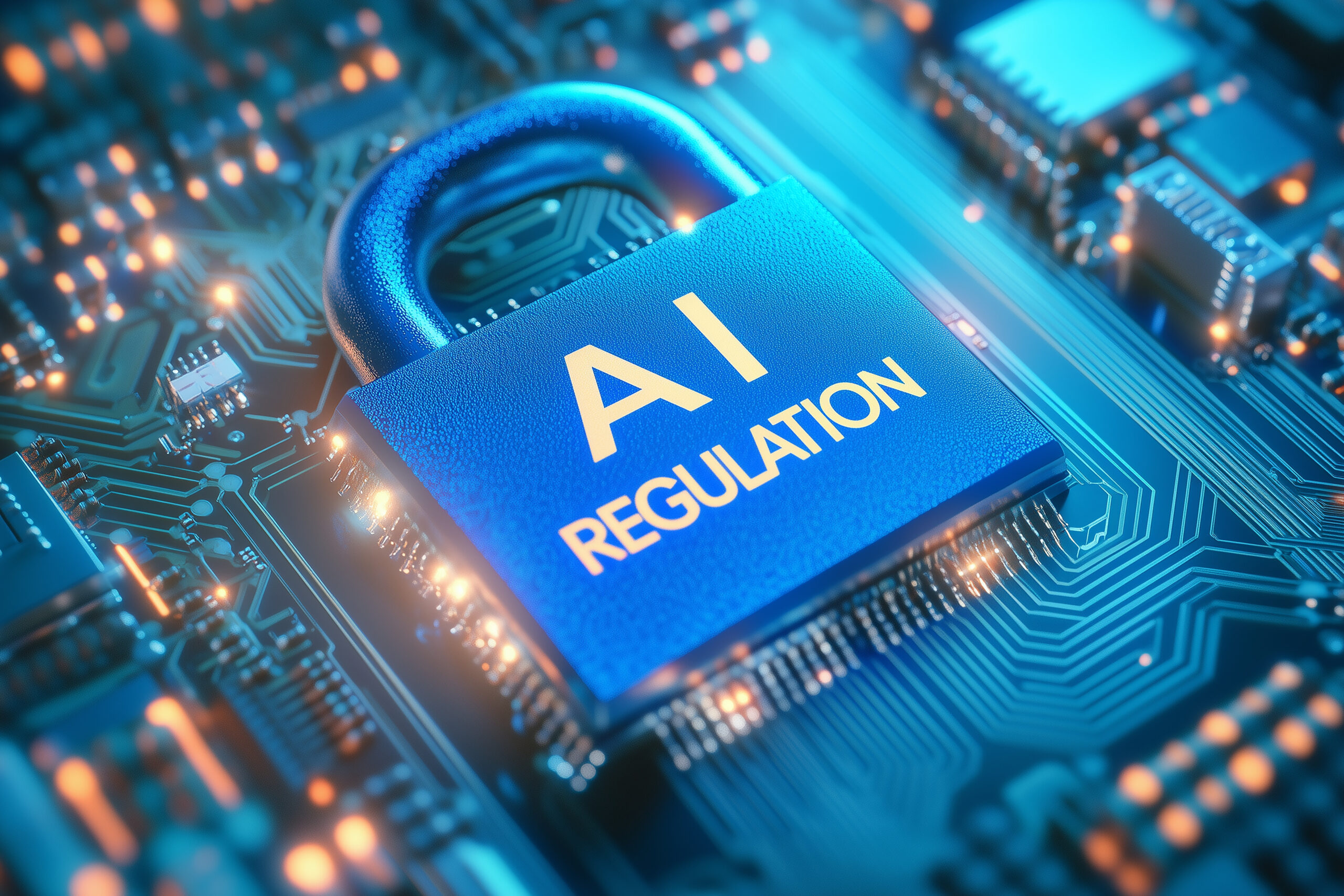
Ai regulation governance image

A sharp political and regulatory conflict has erupted as the National Council of Insurance Legislators (NCOIL) publicly challenges President Donald Trump’s executive order on artificial intelligence. The directive seeks to reduce state involvement in AI oversight—an approach NCOIL argues threatens the very structure of U.S. insurance governance.

In a strongly worded December 15 statement, NCOIL expressed that it was “greatly disturbed” by the attempt to centralize AI authority in Washington, suggesting it could weaken consumer protection and restrict states’ ability to maintain regulatory balance. Their stance is unmistakable: states must preserve the right to craft their own policy, especially in a period of political gridlock.

Why This Matters: The Longstanding State vs. Federal Tug‑of‑War

Insurance regulation has traditionally belonged to the states. Moving that authority to the federal level could disrupt markets, slow innovation, and complicate compliance. This isn’t the first time such concerns have surfaced—a decade‑long moratorium on state AI regulation was previously shot down by federal lawmakers following pushback from NCOIL and major insurance trade groups warning the moratorium would “wrongly curtail” state authority.

“This moment is precisely the kind of opportunity in which the states should continue serving as the laboratories of democracy,” NCOIL declared—adding that Trump’s order will likely face significant legal challenges.

What the Executive Order Actually Says

The administration argues that inconsistent state‑level AI laws create confusion, ideological inconsistencies, and barriers to national commerce. To counter this, a new federal task force will evaluate and challenge any state AI regulations that clash with the administration’s unified direction.

According to the order, maintaining global AI leadership requires a “minimally burdensome national policy framework.”

What This Means for Insurance Professionals

AI regulation directly shapes how insurance professionals perform their work—particularly those involved in underwriting, claims automation, data modeling, and fraud prevention. Key impacts include:

  • How companies calculate and communicate risk
  • What consumer‑transparency rules must be followed
  • How AI models must be tested, monitored, and audited
  • How innovation is balanced against legal compliance

As new regulations emerge, staying educated is no longer optional—it’s a professional advantage and a compliance necessity.

Related Source & Further Reading

Original coverage from Insurance Journal:
State Insurance Legislators ‘Greatly Disturbed’ by Trump AI Regulation Order

Additional related reporting:
Federal Lawmakers Reject AI Regulation Moratorium
Insurance Industry Rejects Proposed Moratorium on AI Regulation

Stay Ahead of Industry Regulation with Cameron Academy

Professionals across insurance, real estate, mortgage, finance, and medical fields rely on high‑quality education to stay compliant and competitive. Whether you’re expanding your license or launching a new career, Cameron Academy offers state‑approved, real‑world‑focused training built to keep you ahead of regulatory change—AI included.

Visit: CameronAcademy.com

More Articles

Getting licensed or staying ahead in your career can be a journey—but it doesn’t have to be overwhelming. Grab your favorite coffee or tea, take a moment to relax, and browse through our articles. Whether you’re just starting out or renewing your expertise, we’ve got tips, insights, and advice to keep you moving forward. Here’s to your success—one sip and one step at a time!

Artificial Intelligence in Diagnostics: A Revolution in Healthcare

The global market for artificial intelligence in diagnostics is poised for remarkable growth, with projections estimating it to reach USD 7.3 billion by 2032.

By |December 10, 2024|Categories: Article, Artificial Intelligence, Healthcare|Tags: , |0 Comments

Revolutionizing Medical Education with Extended Reality

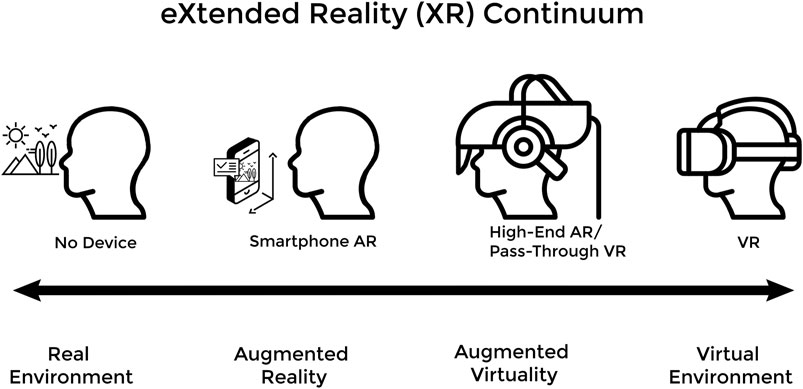
In the ever-evolving landscape of medical education, a new player has emerged, promising to revolutionize the way future doctors are trained. The integration of eXtended Reality (XR) technologies is reshaping the educational landscape by addressing the limitations of traditional methods.

Genetic Testing: A New Dawn in Healthcare

Genetic testing represents more than just a scientific advancement; it signifies a fundamental shift in how we approach health and wellness.

Sustainable Architecture: Blending Innovation with Ecological Responsibility

The journey toward sustainable architecture is ongoing, with each project serving as a beacon of what's achievable when creativity meets ecological awareness.

By |December 9, 2024|Categories: Architecture, Article, Sustainability|Tags: |0 Comments

AI in Clinical and Molecular Diagnostics: A Market on the Rise

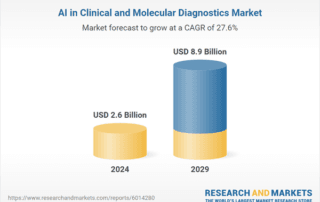
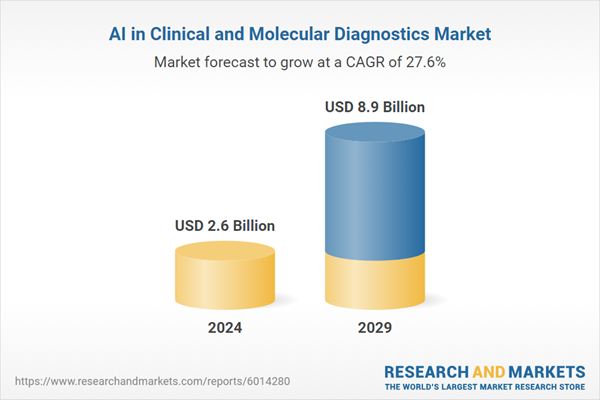
AI in Clinical and Molecular Diagnostics Market is set to experience remarkable growth, projected to surge from USD 2.6 billion in 2024 to USD 8.9 billion by 2029. This growth is driven by the integration of advanced AI technologies such as machine learning and deep learning into traditional diagnostic methodologies like imaging, genomics, and laboratory testing.

AI: A Revolution in Healthcare’s Future

AI is not a distant dream but a present reality, already integrated into everyday life through virtual assistants like Alexa and Siri. AI shows promise in enhancing medical accuracy, such as in predicting mesothelioma survival and improving colonoscopy accuracy, it is not intended to replace healthcare professionals.