NCOIL Pushes Back Against Trump’s AI Regulation Order: What It Means for Insurance Professionals

Ai regulation governance image

A sharp political and regulatory conflict has erupted as the National Council of Insurance Legislators (NCOIL) publicly challenges President Donald Trump’s executive order on artificial intelligence. The directive seeks to reduce state involvement in AI oversight—an approach NCOIL argues threatens the very structure of U.S. insurance governance.

In a strongly worded December 15 statement, NCOIL expressed that it was “greatly disturbed” by the attempt to centralize AI authority in Washington, suggesting it could weaken consumer protection and restrict states’ ability to maintain regulatory balance. Their stance is unmistakable: states must preserve the right to craft their own policy, especially in a period of political gridlock.

Why This Matters: The Longstanding State vs. Federal Tug‑of‑War

Insurance regulation has traditionally belonged to the states. Moving that authority to the federal level could disrupt markets, slow innovation, and complicate compliance. This isn’t the first time such concerns have surfaced—a decade‑long moratorium on state AI regulation was previously shot down by federal lawmakers following pushback from NCOIL and major insurance trade groups warning the moratorium would “wrongly curtail” state authority.

“This moment is precisely the kind of opportunity in which the states should continue serving as the laboratories of democracy,” NCOIL declared—adding that Trump’s order will likely face significant legal challenges.

What the Executive Order Actually Says

The administration argues that inconsistent state‑level AI laws create confusion, ideological inconsistencies, and barriers to national commerce. To counter this, a new federal task force will evaluate and challenge any state AI regulations that clash with the administration’s unified direction.

According to the order, maintaining global AI leadership requires a “minimally burdensome national policy framework.”

What This Means for Insurance Professionals

AI regulation directly shapes how insurance professionals perform their work—particularly those involved in underwriting, claims automation, data modeling, and fraud prevention. Key impacts include:

  • How companies calculate and communicate risk
  • What consumer‑transparency rules must be followed
  • How AI models must be tested, monitored, and audited
  • How innovation is balanced against legal compliance

As new regulations emerge, staying educated is no longer optional—it’s a professional advantage and a compliance necessity.

Related Source & Further Reading

Original coverage from Insurance Journal:
State Insurance Legislators ‘Greatly Disturbed’ by Trump AI Regulation Order

Additional related reporting:
Federal Lawmakers Reject AI Regulation Moratorium
Insurance Industry Rejects Proposed Moratorium on AI Regulation

Stay Ahead of Industry Regulation with Cameron Academy

Professionals across insurance, real estate, mortgage, finance, and medical fields rely on high‑quality education to stay compliant and competitive. Whether you’re expanding your license or launching a new career, Cameron Academy offers state‑approved, real‑world‑focused training built to keep you ahead of regulatory change—AI included.

Visit: CameronAcademy.com

More Articles

Getting licensed or staying ahead in your career can be a journey—but it doesn’t have to be overwhelming. Grab your favorite coffee or tea, take a moment to relax, and browse through our articles. Whether you’re just starting out or renewing your expertise, we’ve got tips, insights, and advice to keep you moving forward. Here’s to your success—one sip and one step at a time!

Florida’s Home Insurance Market Shows Strong Signs of Recovery in 2026

Florida’s home insurance market is experiencing a wave of optimism as recent litigation reforms lead to fewer lawsuits, stronger insurer stability, and even rate reductions. With companies like Florida Peninsula lowering premiums and 17 new insurers entering the state, real estate, mortgage, and insurance professionals can expect smoother transactions, increased buyer confidence, and a more competitive market environment in the year ahead.

Mortgage Rates Slide to Multi‑Year Lows as 2026 Housing Momentum Accelerates

Mortgage rates have dipped to levels not seen since 2022, with the 30‑year fixed averaging just 6.361% and Freddie Mac reporting an even lower 6.06%. The drop is reshaping buyer affordability, sparking renewed market activity, and creating fresh opportunities for real estate professionals—especially in fast‑moving markets like Florida.

Is 2026 Finally the Breakthrough Year for Homebuyers?

The 2026 housing market is shaping up to be one of the most pivotal in years, with mortgage rates showing slight relief, affordability shifting toward the Midwest and South, and buyers turning to options like ARMs and new‑construction homes. Early signals point to new opportunities for buyers, investors, and real‑estate professionals—especially those ready to navigate a market defined by moderate rate drops, regional affordability gaps, and builder‑driven incentives.

Ares Commercial Real Estate Insider Shake‑Up Raises Questions for Industry Professionals

Ares Commercial Real Estate CEO Bryan Donohoe sold US$107k in shares this week, trimming his stake by 13% and adding to a pattern of insider selling with no insider purchases in the past 12 months. With insider ownership sitting at a modest 1.6%, the activity signals a cautious tone inside the company—something real estate, mortgage, and finance professionals may want to watch as they assess broader market confidence.

Florida’s 2026 Legislative Session Kicks Off With Major Moves for Real Estate, Insurance, and Business Professionals

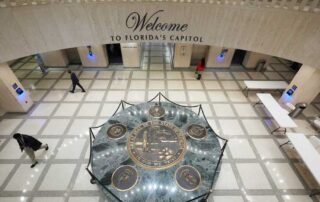
Florida’s 2026 legislative session is officially underway, launching a wave of high‑impact bills targeting property insurance reform, a proposal to eliminate property taxes, new education attendance requirements, and even an AI Bill of Rights. With over a hundred bills already filed, real estate agents, investors, insurers, educators, and other licensed professionals can expect significant regulatory shifts that may reshape Florida’s housing market, insurance costs, and professional compliance standards.

Warren Buffett’s 2026 Reminder: Conviction Beats Market Predictions

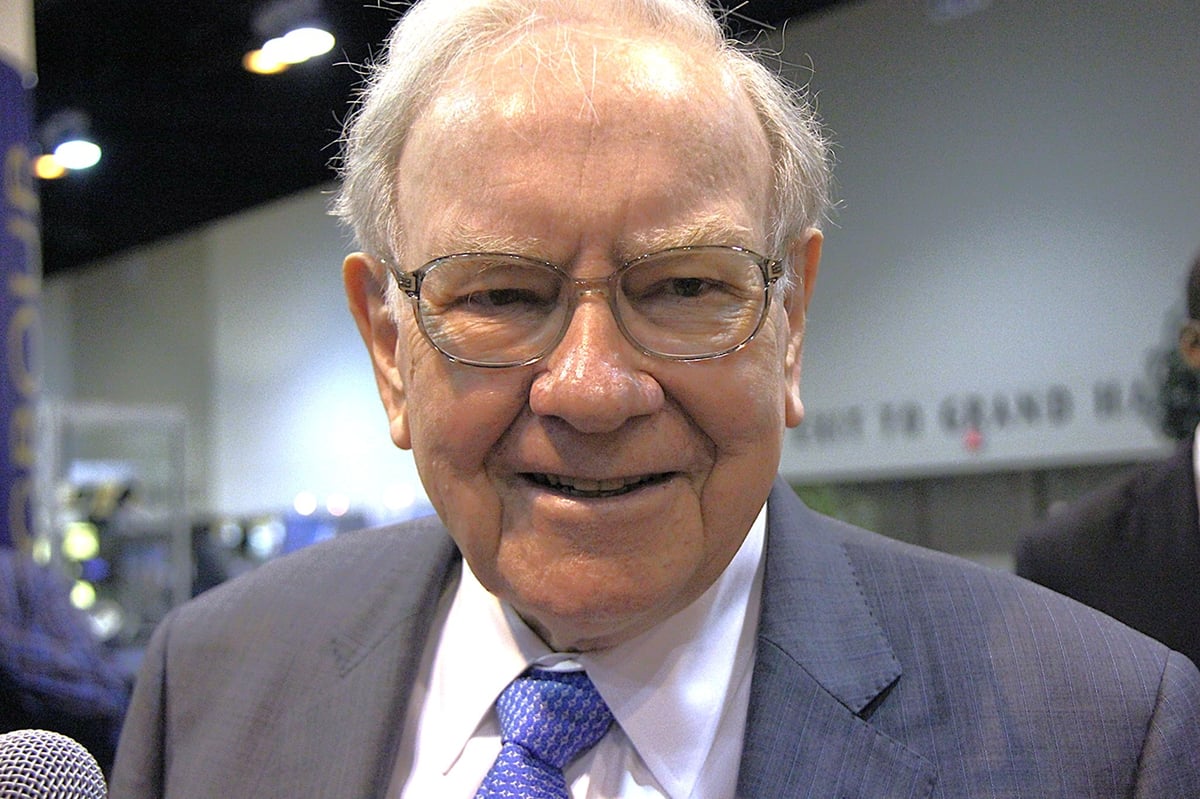
Warren Buffett’s timeless investing wisdom is more relevant than ever in 2026. Despite decades of market change, his core lesson remains the same: long‑term conviction outperforms short‑term prediction. From embracing occasional underperformance to avoiding emotional decisions, Buffett’s philosophy highlights why deep understanding and steady confidence are more valuable than trying to forecast market swings. This mindset isn’t just for investors—it’s a guiding principle for professionals looking to grow their careers with clarity and purpose.