NCOIL Pushes Back Against Trump’s AI Regulation Order: What It Means for Insurance Professionals

Ai regulation governance image

A sharp political and regulatory conflict has erupted as the National Council of Insurance Legislators (NCOIL) publicly challenges President Donald Trump’s executive order on artificial intelligence. The directive seeks to reduce state involvement in AI oversight—an approach NCOIL argues threatens the very structure of U.S. insurance governance.

In a strongly worded December 15 statement, NCOIL expressed that it was “greatly disturbed” by the attempt to centralize AI authority in Washington, suggesting it could weaken consumer protection and restrict states’ ability to maintain regulatory balance. Their stance is unmistakable: states must preserve the right to craft their own policy, especially in a period of political gridlock.

Why This Matters: The Longstanding State vs. Federal Tug‑of‑War

Insurance regulation has traditionally belonged to the states. Moving that authority to the federal level could disrupt markets, slow innovation, and complicate compliance. This isn’t the first time such concerns have surfaced—a decade‑long moratorium on state AI regulation was previously shot down by federal lawmakers following pushback from NCOIL and major insurance trade groups warning the moratorium would “wrongly curtail” state authority.

“This moment is precisely the kind of opportunity in which the states should continue serving as the laboratories of democracy,” NCOIL declared—adding that Trump’s order will likely face significant legal challenges.

What the Executive Order Actually Says

The administration argues that inconsistent state‑level AI laws create confusion, ideological inconsistencies, and barriers to national commerce. To counter this, a new federal task force will evaluate and challenge any state AI regulations that clash with the administration’s unified direction.

According to the order, maintaining global AI leadership requires a “minimally burdensome national policy framework.”

What This Means for Insurance Professionals

AI regulation directly shapes how insurance professionals perform their work—particularly those involved in underwriting, claims automation, data modeling, and fraud prevention. Key impacts include:

  • How companies calculate and communicate risk
  • What consumer‑transparency rules must be followed
  • How AI models must be tested, monitored, and audited
  • How innovation is balanced against legal compliance

As new regulations emerge, staying educated is no longer optional—it’s a professional advantage and a compliance necessity.

Related Source & Further Reading

Original coverage from Insurance Journal:
State Insurance Legislators ‘Greatly Disturbed’ by Trump AI Regulation Order

Additional related reporting:
Federal Lawmakers Reject AI Regulation Moratorium
Insurance Industry Rejects Proposed Moratorium on AI Regulation

Stay Ahead of Industry Regulation with Cameron Academy

Professionals across insurance, real estate, mortgage, finance, and medical fields rely on high‑quality education to stay compliant and competitive. Whether you’re expanding your license or launching a new career, Cameron Academy offers state‑approved, real‑world‑focused training built to keep you ahead of regulatory change—AI included.

Visit: CameronAcademy.com

More Articles

Getting licensed or staying ahead in your career can be a journey—but it doesn’t have to be overwhelming. Grab your favorite coffee or tea, take a moment to relax, and browse through our articles. Whether you’re just starting out or renewing your expertise, we’ve got tips, insights, and advice to keep you moving forward. Here’s to your success—one sip and one step at a time!

The Mark Tampa Breaks Ground on 800‑Bed Luxury Student Housing Near USF

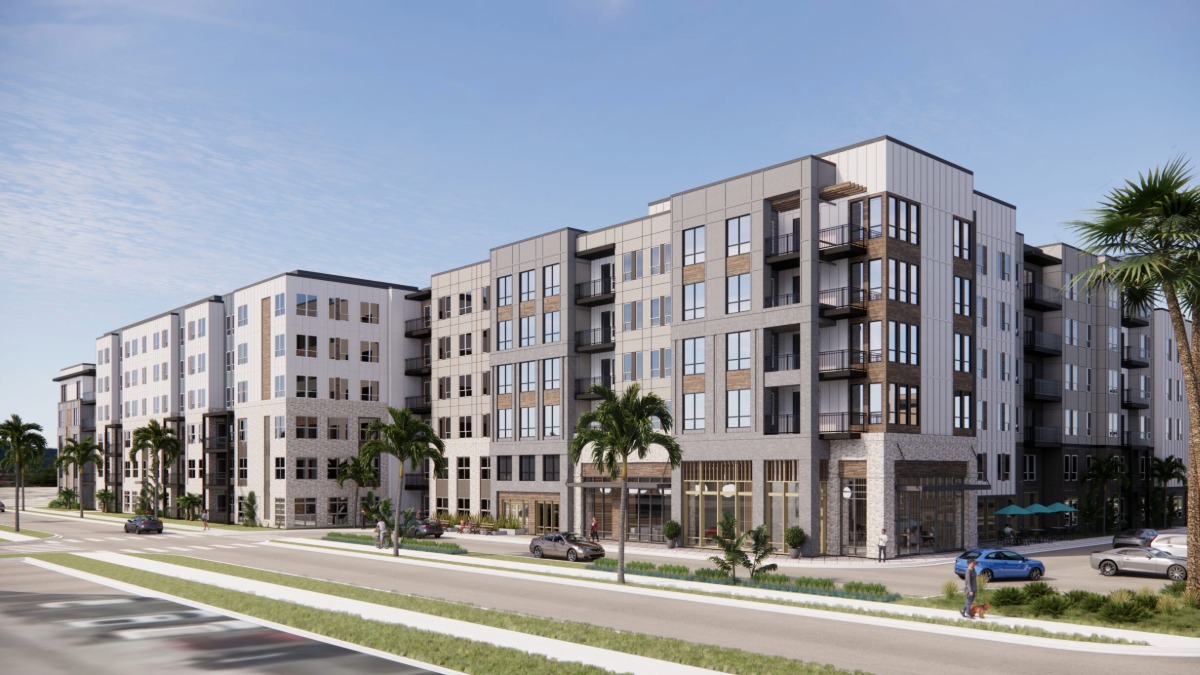
Landmark Properties has officially begun construction on The Mark Tampa, a six‑story luxury student community featuring over 800 beds, rooftop amenities, study spaces, retail, and modern unit layouts. Set to open before the 2027–2028 school year, the project signals strong investor confidence in North Tampa’s booming student housing market.

Florida’s Insurance Costs Erupt Into a 2026 Election Flashpoint

Florida’s property and auto insurance crisis is intensifying, setting the stage for a major political showdown ahead of the 2026 elections. Republicans argue recent reforms are finally stabilizing the market, while Democrats insist families are being crushed by soaring premiums and can’t wait for relief. With homeowners, condo associations, and insurers all feeling the pressure, lawmakers are preparing for one of the most consequential legislative battles in years.

A December Fed Cut Could Be Coming — But Don’t Expect Mortgage Rates to Drop

Markets are betting heavily on a Federal Reserve rate cut in December, but that doesn’t guarantee lower mortgage rates. Even with an 85% chance of a cut priced in, mortgage rates move more with the 10‑year Treasury than the Fed itself — and recent history shows rates can rise even when the Fed eases. Today’s 6.43% average rate is the lowest in over a year, but still unpredictable, making financial readiness more important than trying to time the market.

Grand Junction’s Commercial Real Estate Market Surges 36% as New Chains Fuel Regional Growth

Grand Junction is experiencing a powerful commercial real estate upswing, with 151 commercial units closed so far in 2025—a 36% jump from last year. Building permits are also up 23%, signaling expanding development momentum. Brokers say interest from national chains is accelerating the city’s evolution, bringing jobs, investment, and long‑term economic potential to Colorado’s Western Slope.

Nashville Ranks #6 in Emerging Trends in Real Estate 2026 Report

Nashville continues its rise as one of the nation’s most attractive real estate markets, landing the #6 spot in the Emerging Trends in Real Estate 2026 report from PwC and ULI. With strong demographic momentum, business expansion, and a development pipeline drawing national eyes, the city stands out amid shifting economic conditions. The report highlights fast‑growing sectors such as data centers, senior housing, and evolving office dynamics—offering real estate professionals valuable insight into where opportunities are emerging next.

CRE This Week: The Key Trends Reshaping Canada’s Commercial Real Estate Market in 2025

Canada’s commercial real estate sector continues to evolve rapidly, with new data revealing major transactions, shifting investment patterns, and emerging economic signals across the country. From resilient retail spending to cooling construction and regional standouts like Montreal and the Prairies, this week’s CRE pulse—powered by Altus Group’s research team—gives real estate, mortgage, and finance professionals a sharp snapshot of the market forces to watch as 2025 winds down.