The National Medical Commission (NMC) has made a significant announcement for aspiring medical students by releasing the NEET UG 2025 syllabus. This comprehensive guide is crucial for those preparing for the National Entrance cum Eligibility Test, a pivotal step for entry into medical education. The syllabus is meticulously detailed, providing a chapter-wise breakdown across the core subjects of Physics, Chemistry, and Biology, ensuring candidates are thoroughly prepared for the upcoming academic session.
Physics
The Physics syllabus encompasses 20 units, covering both fundamental and advanced topics. Students will delve into areas such as Mechanics, Thermodynamics, Electrostatics, and Optics. Key topics highlighted include Laws of Motion and Electromagnetic Induction, essential for a robust understanding of the subject.
Chemistry
Chemistry is divided into three sections: Physical, Inorganic, and Organic Chemistry. The syllabus includes critical areas such as Atomic Structure, Chemical Bonding, and Biomolecules, with a focus on foundational chemical concepts and reactions. This structure ensures that students build a solid base in chemistry.
Biology
Biology, a focal point for NEET aspirants, covers ten units. It includes essential topics like Cell Structure and Function, Genetics and Evolution, and Human Physiology. The syllabus emphasizes critical areas such as structural organization and biotechnology, preparing students for complex biological concepts.
Preparation Tips
Understand the Syllabus: Carefully analyze the proposed topics for effective study plans.
Study Materials: Utilize NCERT textbooks alongside expert-recommended reference materials.
Regular Practice: Engage in solving previous years’ question papers to enhance accuracy and speed.
Seek Guidance: Utilize resources from teachers or mentors to clarify doubts and concepts.
For those eager to get started, the syllabus is available for download on the NMC official website. The Economic Times provides a detailed overview of this development, highlighting its significance for medical aspirants. For further insights, you can access the original article here.
More Articles
Getting licensed or staying ahead in your career can be a journey—but it doesn’t have to be overwhelming. Grab your favorite coffee or tea, take a moment to relax, and browse through our articles. Whether you’re just starting out or renewing your expertise, we’ve got tips, insights, and advice to keep you moving forward. Here’s to your success—one sip and one step at a time!
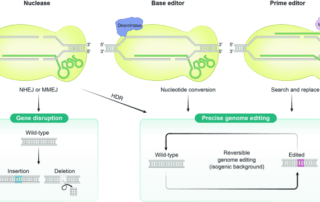
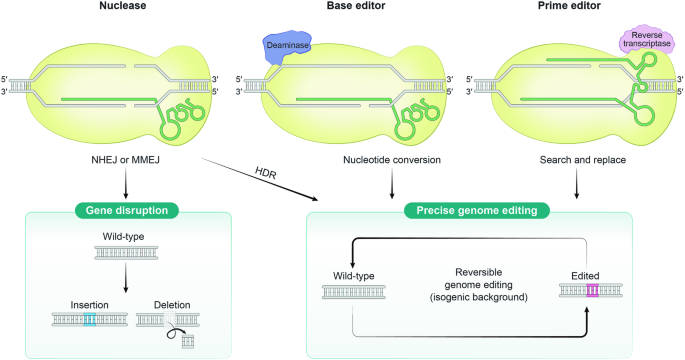
Gene editing technology is swiftly emerging as a transformative force in both healthcare and agriculture, particularly through tools like CRISPR-Cas9, which offer precise methods to modify genes and promise to revolutionize treatment for genetic disorders, cancer, and infectious diseases.
Angela Wong, Chief Marketing and Customer Officer at AXA Hong Kong & Macau, underscores the critical need for comprehensive insurance solutions for gig workers.
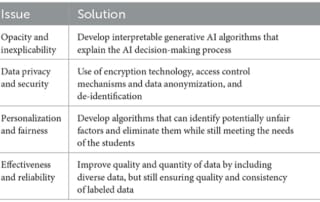
The AMA highlights that AI's integration must be guided by the fundamental principles of medical ethics: patient autonomy, beneficence, nonmaleficence, and justice.
AI, which simulates human intelligence, is reshaping various sectors, particularly healthcare. The ability to perform complex tasks, such as diagnostics and personalized healthcare, is no longer confined to human capabilities alone.
A recent study published in Nature on July 25, 2024, unveils a cutting-edge chatbot named Chat Ella, designed to assist in the diagnosis of chronic diseases.