Nevada Makes History: The First State to Allow Homeowners’ Insurance Without Wildfire Coverage
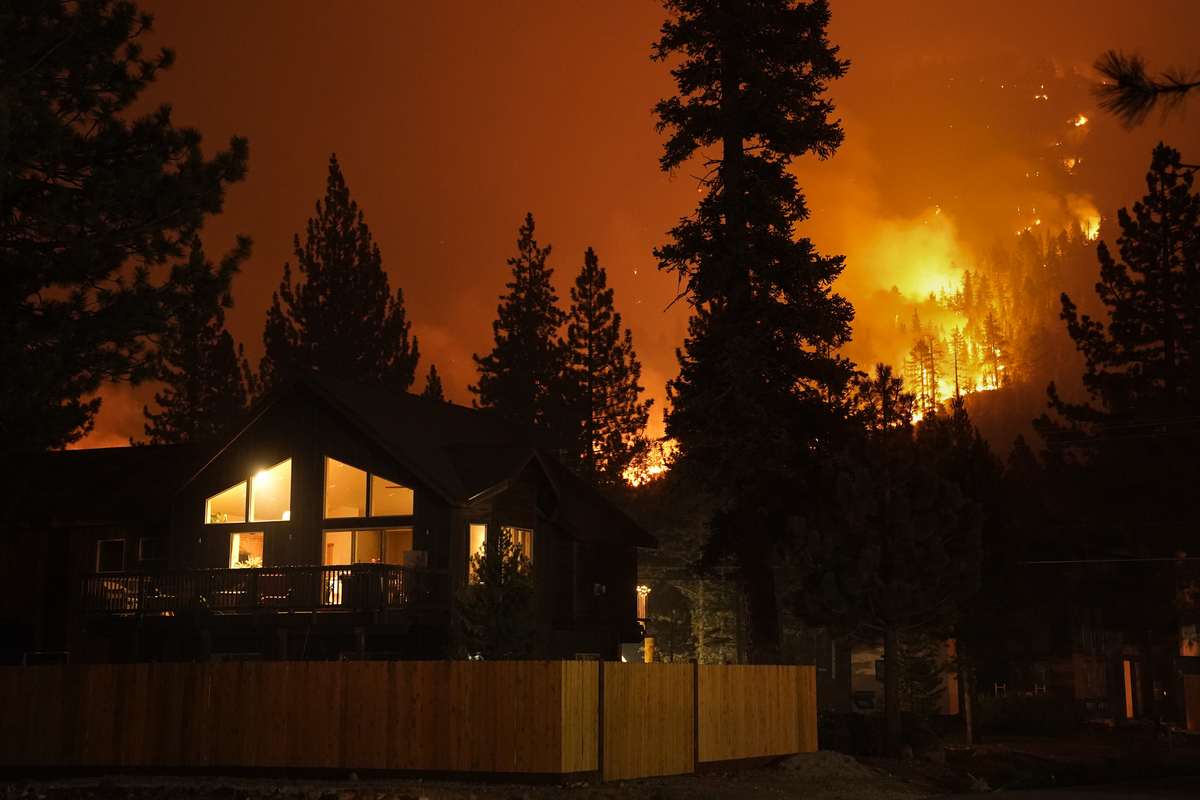
In a bold and unprecedented move, Nevada has become the first state in the nation to allow insurance companies to sell homeowners’ policies that exclude wildfire coverage. The bipartisan measure—signed by Governor Joe Lombardo—aims to stabilize insurance premiums in a market that, unlike California or Florida, has not yet plunged into a full‑scale insurance crisis.
Supporters believe the law introduces flexibility and creates more options for homeowners. Critics argue the opposite—warning that countless residents could unknowingly opt out of wildfire protection. As Michele Steinberg of the National Fire Protection Association cautions:
“If you’re a homeowner who doesn’t know much about insurance, we’re looking at folks assuming they had wildfire coverage and finding out they don’t… You’re homeless.”
A Policy Shake‑Up With National Ripple Effects
Nevada may not be facing an immediate insurance breakdown, but it is becoming a testing ground for an industry seeking new ways to handle climate‑driven risk. With four major insurance groups backing the bill, many analysts expect other states to watch closely—and possibly follow.
But consumer advocates raise real concerns. Most mortgage lenders—including Fannie Mae and Freddie Mac—require wildfire protection. With nearly 60 percent of U.S. homes under mortgage, wildfire‑excluded policies may become more of a niche than a norm.
Why Nevada? Why Now?
Nevada homeowners enjoy some of the lowest insurance premiums in the nation, and the state historically receives far fewer wildfire disaster payouts compared to neighboring regions. Still, high‑value communities near Lake Tahoe—where median prices easily exceed $1.4 million—have struggled to find affordable coverage.
Some residents in hotspots like Incline Village even claimed they would willingly forego wildfire coverage just to secure any policy at all. Former Nevada Insurance Commissioner Scott Kipper, who helped shape the law, stresses that this new option gives insurers “a little more flexibility” to remain active in higher‑risk markets.
Nevada’s New “Regulatory Sandbox”
The legislation goes a step further, launching a statewide insurance regulatory sandbox. This innovation zone will allow insurers to test new technologies and policy models—such as usage‑based auto coverage or on‑demand insurance.
While some celebrate this as forward‑thinking modernization, others fear it opens the door for insurers to gradually exclude more natural disaster protections at a time when climate volatility is rapidly increasing.
What This Means for Real Estate & Insurance Pros
From real estate agents to mortgage specialists and insurance advisors—professionals educated at forward‑thinking institutions like Cameron Academy—staying informed on these shifts is now essential. Buyers may soon face unfamiliar coverage structures, exclusions, and decision points during the home‑buying process.
Whether Nevada becomes a national model or a cautionary tale remains unknown. What’s certain is that the U.S. insurance landscape is evolving quickly—and industry professionals must evolve with it to properly guide their clients.