Nevada’s Wildfire Insurance Shake-Up: A Bold Experiment With National Implications
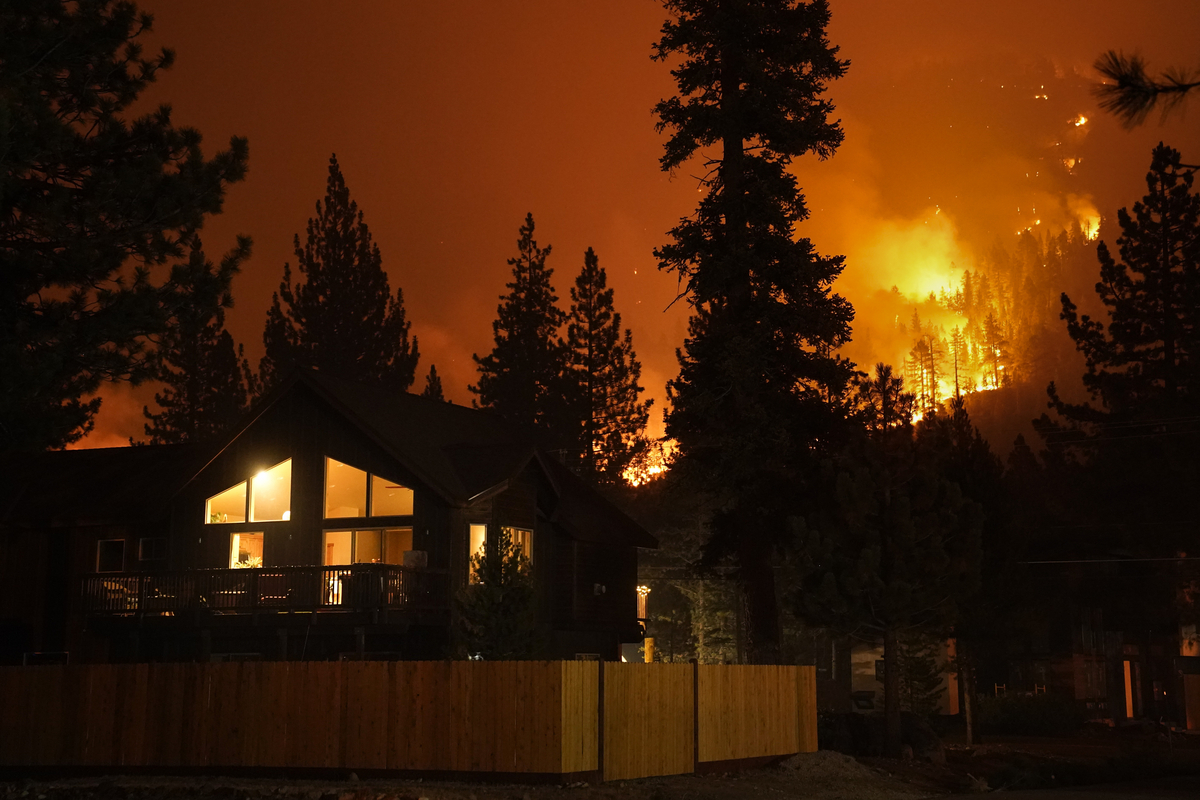
Nevada has officially become the first state in the nation to allow insurers to sell homeowners’ policies that exclude wildfire coverage — a sweeping move that could reshape how disaster risk is priced across the West. The groundbreaking law, passed unanimously by both parties and signed by Governor Joe Lombardo, is designed to help contain rising insurance premiums in a climate‑challenged era.
But while some see a creative solution, others see a dangerous gamble.
The Nevada law, effective January 1, allows insurers to lower premiums by excluding wildfire damage — but consumer advocates warn this could leave homeowners financially devastated. Michele Steinberg of the National Fire Protection Association expressed shock that wildfire could be removed from standard coverage, fearing many homeowners may unknowingly opt into risky policies.
“It’s not a matter of losing your kitchen for a month,” Steinberg warned. “You’re homeless.”
The law also permits the sale of wildfire‑only policies and will remain in effect until the end of 2029. Industry groups supporting the measure argue it provides needed flexibility to keep insurers operating in high‑risk regions.
Why Nevada Is Different
Unlike states like California and Florida, Nevada is not currently facing an insurance crisis. In fact, it enjoys some of the lowest homeowners’ premiums in the country. A recent Consumer Federation of America report placed Nevada 46th nationally in average annual premiums.
Nor is Nevada heavily burdened by wildfire losses compared to its neighbors. FEMA data shows Nevada has received just $25 million in wildfire disaster aid since 1998 — a fraction of California’s $6.8 billion.
Yet wealthy, forest‑adjacent communities near Lake Tahoe, such as Incline Village, have experienced increasing insurance cancellations. Some residents even expressed willingness to waive wildfire coverage if it meant securing a policy. Lawmakers took notice.
The Mortgage Factor: A Hard Stop for Many
Despite the new law, many homeowners simply won’t be eligible for wildfire‑free policies. Mortgage giants Fannie Mae and Freddie Mac require fire coverage on insured homes. With nearly 60 percent of U.S. homes under mortgage, demand for these alternative policies may be limited.
Florida offers a comparable example: only about 4 percent of homeowners opt for wind‑excluded policies despite state approval.
A “Regulatory Sandbox” for Innovation
What truly excited some advocates wasn’t the wildfire exclusion itself but Nevada’s creation of an insurance regulatory sandbox. This framework lets insurers test innovative ideas — from on‑demand coverage to data‑driven auto premiums — while temporarily bypassing certain regulations.
Libertarian‑leaning think tanks have long promoted such sandboxes to accelerate innovation and reduce regulatory friction, and Nevada’s new law places it among roughly 15 states experimenting with this model.
Insurance analyst Sridhar Manyem described sandboxes as a way to “foster innovation and new products before you can make wholesale regulatory changes.”
Consumer Risks and Industry Hopes
Critics argue the new system sets a dangerous precedent. Insurance researcher Michael DeLong called it an “early prototype” of a troubling trend toward excluding natural disasters from standard policies.
Others believe this could be the blueprint insurers nationwide have been waiting for — particularly as wildfire threats grow alongside climate change.
But with no insurer yet announcing plans to sell wildfire‑excluded policies, Nevada’s bold move remains a test case, one the industry and regulators across the country are now watching closely.
What This Means for Real Estate & Insurance Professionals
For those in real estate, mortgage, or insurance — especially students or licensed professionals expanding their career — understanding shifts in risk, policy structure, and regulatory direction is more important than ever. This Nevada experiment could spark copycat policies across Western states, influencing underwriting, property valuations, and financing options.
At Cameron Academy, we prepare professionals to navigate exactly these kinds of evolving landscapes across real estate, mortgage, finance, and insurance industries. Staying ahead of regulatory trends isn’t just smart — it’s essential.
As Nevada’s wildfire experiment unfolds, it may redefine how risk is priced in high‑fire‑danger areas and reshape the future of property insurance nationwide.
More Articles
Getting licensed or staying ahead in your career can be a journey—but it doesn’t have to be overwhelming. Grab your favorite coffee or tea, take a moment to relax, and browse through our articles. Whether you’re just starting out or renewing your expertise, we’ve got tips, insights, and advice to keep you moving forward. Here’s to your success—one sip and one step at a time!
This summer marked a significant shift in Philadelphia's Center City office market, as the long-standing effects of the COVID-19 pandemic and the rise of remote work began to thaw. Between June and August, five major office buildings changed hands, albeit for prices significantly lower than their previous valuations. This shift reflects the broader challenges facing commercial real estate in the era of hybrid work.
In the ever-evolving landscape of real estate investment, the southern United States has emerged as a beacon of opportunity. A recent report from RealEstateNews.com highlights Florida, North Carolina, and Texas as the leading markets for investors seeking growth and stability.
In California's ongoing housing crisis, only 24 affordable units exist for every 100 extremely low-income households, highlighting a dire need for innovative solutions.
In a recent analysis by ATTOM, the housing markets of California, New Jersey, and Illinois have been spotlighted for their susceptibility to downturns. Despite a generally robust national market, these states exhibit significant vulnerabilities, particularly in the metropolitan areas of New York City and Chicago.
As the virtual world continues to expand, the metaverse has emerged as a transformative force in the real estate industry, offering a unique opportunity to diversify investments and acquire new skills.