Nevada’s Wildfire Insurance Shake-Up: A Bold Experiment With National Implications
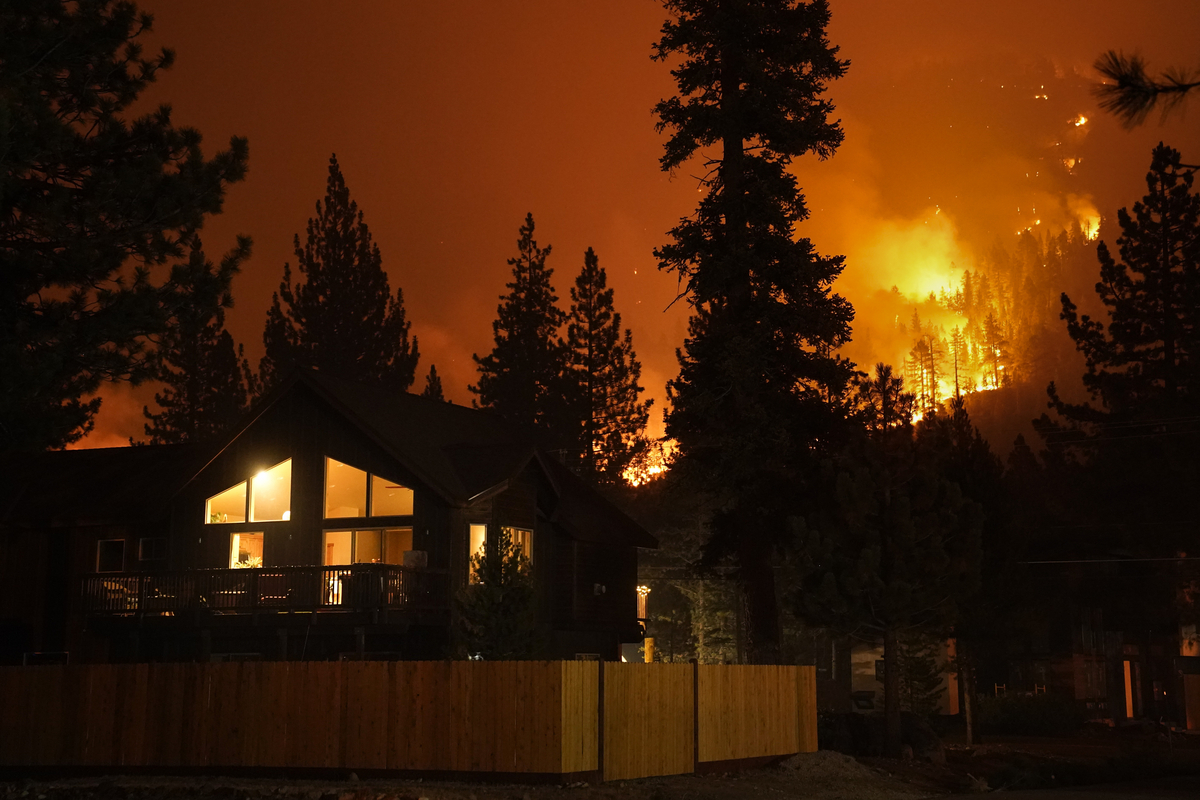
Nevada has officially become the first state in the nation to allow insurers to sell homeowners’ policies that exclude wildfire coverage — a sweeping move that could reshape how disaster risk is priced across the West. The groundbreaking law, passed unanimously by both parties and signed by Governor Joe Lombardo, is designed to help contain rising insurance premiums in a climate‑challenged era.
But while some see a creative solution, others see a dangerous gamble.
The Nevada law, effective January 1, allows insurers to lower premiums by excluding wildfire damage — but consumer advocates warn this could leave homeowners financially devastated. Michele Steinberg of the National Fire Protection Association expressed shock that wildfire could be removed from standard coverage, fearing many homeowners may unknowingly opt into risky policies.
“It’s not a matter of losing your kitchen for a month,” Steinberg warned. “You’re homeless.”
The law also permits the sale of wildfire‑only policies and will remain in effect until the end of 2029. Industry groups supporting the measure argue it provides needed flexibility to keep insurers operating in high‑risk regions.
Why Nevada Is Different
Unlike states like California and Florida, Nevada is not currently facing an insurance crisis. In fact, it enjoys some of the lowest homeowners’ premiums in the country. A recent Consumer Federation of America report placed Nevada 46th nationally in average annual premiums.
Nor is Nevada heavily burdened by wildfire losses compared to its neighbors. FEMA data shows Nevada has received just $25 million in wildfire disaster aid since 1998 — a fraction of California’s $6.8 billion.
Yet wealthy, forest‑adjacent communities near Lake Tahoe, such as Incline Village, have experienced increasing insurance cancellations. Some residents even expressed willingness to waive wildfire coverage if it meant securing a policy. Lawmakers took notice.
The Mortgage Factor: A Hard Stop for Many
Despite the new law, many homeowners simply won’t be eligible for wildfire‑free policies. Mortgage giants Fannie Mae and Freddie Mac require fire coverage on insured homes. With nearly 60 percent of U.S. homes under mortgage, demand for these alternative policies may be limited.
Florida offers a comparable example: only about 4 percent of homeowners opt for wind‑excluded policies despite state approval.
A “Regulatory Sandbox” for Innovation
What truly excited some advocates wasn’t the wildfire exclusion itself but Nevada’s creation of an insurance regulatory sandbox. This framework lets insurers test innovative ideas — from on‑demand coverage to data‑driven auto premiums — while temporarily bypassing certain regulations.
Libertarian‑leaning think tanks have long promoted such sandboxes to accelerate innovation and reduce regulatory friction, and Nevada’s new law places it among roughly 15 states experimenting with this model.
Insurance analyst Sridhar Manyem described sandboxes as a way to “foster innovation and new products before you can make wholesale regulatory changes.”
Consumer Risks and Industry Hopes
Critics argue the new system sets a dangerous precedent. Insurance researcher Michael DeLong called it an “early prototype” of a troubling trend toward excluding natural disasters from standard policies.
Others believe this could be the blueprint insurers nationwide have been waiting for — particularly as wildfire threats grow alongside climate change.
But with no insurer yet announcing plans to sell wildfire‑excluded policies, Nevada’s bold move remains a test case, one the industry and regulators across the country are now watching closely.
What This Means for Real Estate & Insurance Professionals
For those in real estate, mortgage, or insurance — especially students or licensed professionals expanding their career — understanding shifts in risk, policy structure, and regulatory direction is more important than ever. This Nevada experiment could spark copycat policies across Western states, influencing underwriting, property valuations, and financing options.
At Cameron Academy, we prepare professionals to navigate exactly these kinds of evolving landscapes across real estate, mortgage, finance, and insurance industries. Staying ahead of regulatory trends isn’t just smart — it’s essential.
As Nevada’s wildfire experiment unfolds, it may redefine how risk is priced in high‑fire‑danger areas and reshape the future of property insurance nationwide.
More Articles
Getting licensed or staying ahead in your career can be a journey—but it doesn’t have to be overwhelming. Grab your favorite coffee or tea, take a moment to relax, and browse through our articles. Whether you’re just starting out or renewing your expertise, we’ve got tips, insights, and advice to keep you moving forward. Here’s to your success—one sip and one step at a time!
Illinois kicked off the new year with more than 200 laws taking effect, impacting professionals across healthcare, insurance, real estate, education, and other regulated industries. From major healthcare coverage expansions to new AI hiring limits, enhanced worker protections, school safety reforms, and upgraded public‑safety standards, nearly every sector will see meaningful changes. As compliance expectations grow, institutions like Cameron Academy help professionals stay prepared and career‑ready in an evolving regulatory landscape.
As commercial real estate moves beyond two turbulent years, 2026 is emerging as a year of growth for professionals who know where to look. According to First American economist Xander Snyder, the biggest wins may come not from booming sectors but from distressed properties—especially those with short‑term issues that can recover with creative financing, recapitalization, or strategic repositioning. Multifamily distress, selective office restructuring, and the rise of non‑QM lending are setting the stage for brokers, investors, and new licensees to capitalize on flexible deal‑making and evolving market conditions.
Housing is taking over the national spotlight in 2026, with federal leaders, big‑city mayors, and market professionals all zeroing in on affordability, supply, and sweeping policy changes. From President Trump’s promised reform agenda to looming Section 8 funding risks and aggressive city‑level zoning overhauls, the year is shaping up to be one of the most consequential periods for real estate and related licensed professions. For agents, mortgage brokers, insurance specialists, and anyone tied to the housing ecosystem, rapid shifts in policy and market conditions make 2026 a year where preparation, education, and adaptability will be essential.
A lender wires $4.2 million after receiving what sounded like a routine call from a borrower’s attorney—same voice, same tone, same mannerisms. By morning, the truth emerges: the email was hacked, the phone call was an AI‑generated voice clone, and the money is gone. As scammers use AI to mimic voices, emails, and documents with startling accuracy, real estate finance has become a prime target. The industry’s growing reliance on AI brings efficiency, but also dangerous new vulnerabilities, pushing regulators, insurers, and professionals to rethink verification, security, and trust itself.
A new wave of migration is changing the shape of commercial real estate as Americans trade costly metros for more affordable, lifestyle-friendly regions. Smaller Southern and mid‑Atlantic markets are gaining momentum, while pandemic boom states like Florida, Texas, and Arizona are now leveling off. These shifts are influencing demand for housing, retail, office parks, warehouses, and even self‑storage, signaling both fresh opportunities and heightened caution for investors and real estate professionals.
Florida is gearing up for a potential overhaul of its property tax system, with lawmakers pushing proposals that could dramatically reduce or even eliminate property taxes by 2026. Homeowners facing rising bills welcome the idea, but city and county leaders warn it could cripple essential services like police, fire response, and local infrastructure. As political tensions escalate — including accusations of overspending and sharp pushback from local officials — real estate professionals should prepare for major market impacts if reforms move forward.