Nevada’s Wildfire Insurance Shake-Up: A Bold Experiment With National Implications
Nevada has officially become the first state in the nation to allow insurers to sell homeowners’ policies that exclude wildfire coverage — a sweeping move that could reshape how disaster risk is priced across the West. The groundbreaking law, passed unanimously by both parties and signed by Governor Joe Lombardo, is designed to help contain rising insurance premiums in a climate‑challenged era.
But while some see a creative solution, others see a dangerous gamble.
The Nevada law, effective January 1, allows insurers to lower premiums by excluding wildfire damage — but consumer advocates warn this could leave homeowners financially devastated. Michele Steinberg of the National Fire Protection Association expressed shock that wildfire could be removed from standard coverage, fearing many homeowners may unknowingly opt into risky policies.
“It’s not a matter of losing your kitchen for a month,” Steinberg warned. “You’re homeless.”
The law also permits the sale of wildfire‑only policies and will remain in effect until the end of 2029. Industry groups supporting the measure argue it provides needed flexibility to keep insurers operating in high‑risk regions.
Why Nevada Is Different
Unlike states like California and Florida, Nevada is not currently facing an insurance crisis. In fact, it enjoys some of the lowest homeowners’ premiums in the country. A recent Consumer Federation of America report placed Nevada 46th nationally in average annual premiums.
Nor is Nevada heavily burdened by wildfire losses compared to its neighbors. FEMA data shows Nevada has received just $25 million in wildfire disaster aid since 1998 — a fraction of California’s $6.8 billion.
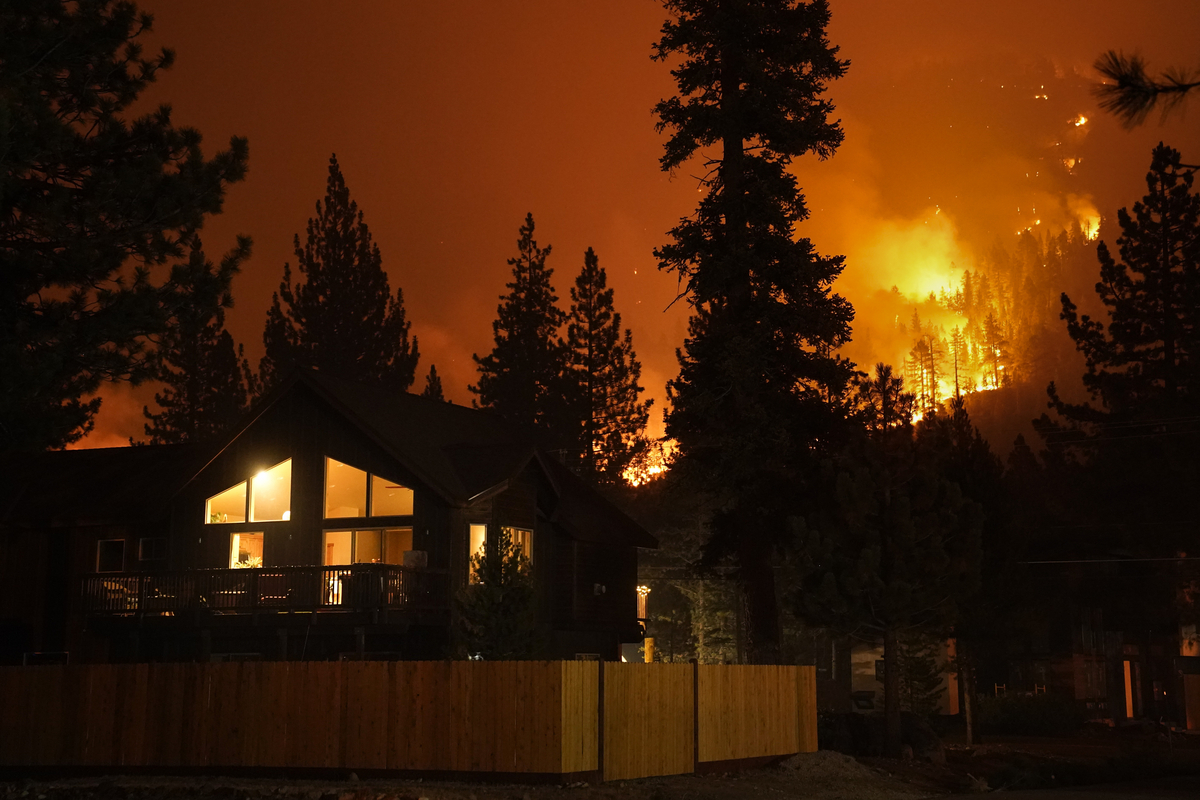
Yet wealthy, forest‑adjacent communities near Lake Tahoe, such as Incline Village, have experienced increasing insurance cancellations. Some residents even expressed willingness to waive wildfire coverage if it meant securing a policy. Lawmakers took notice.
The Mortgage Factor: A Hard Stop for Many
Despite the new law, many homeowners simply won’t be eligible for wildfire‑free policies. Mortgage giants Fannie Mae and Freddie Mac require fire coverage on insured homes. With nearly 60 percent of U.S. homes under mortgage, demand for these alternative policies may be limited.
Florida offers a comparable example: only about 4 percent of homeowners opt for wind‑excluded policies despite state approval.
A “Regulatory Sandbox” for Innovation
What truly excited some advocates wasn’t the wildfire exclusion itself but Nevada’s creation of an insurance regulatory sandbox. This framework lets insurers test innovative ideas — from on‑demand coverage to data‑driven auto premiums — while temporarily bypassing certain regulations.
Libertarian‑leaning think tanks have long promoted such sandboxes to accelerate innovation and reduce regulatory friction, and Nevada’s new law places it among roughly 15 states experimenting with this model.
Insurance analyst Sridhar Manyem described sandboxes as a way to “foster innovation and new products before you can make wholesale regulatory changes.”
Consumer Risks and Industry Hopes
Critics argue the new system sets a dangerous precedent. Insurance researcher Michael DeLong called it an “early prototype” of a troubling trend toward excluding natural disasters from standard policies.
Others believe this could be the blueprint insurers nationwide have been waiting for — particularly as wildfire threats grow alongside climate change.
But with no insurer yet announcing plans to sell wildfire‑excluded policies, Nevada’s bold move remains a test case, one the industry and regulators across the country are now watching closely.
What This Means for Real Estate & Insurance Professionals
For those in real estate, mortgage, or insurance — especially students or licensed professionals expanding their career — understanding shifts in risk, policy structure, and regulatory direction is more important than ever. This Nevada experiment could spark copycat policies across Western states, influencing underwriting, property valuations, and financing options.
At Cameron Academy, we prepare professionals to navigate exactly these kinds of evolving landscapes across real estate, mortgage, finance, and insurance industries. Staying ahead of regulatory trends isn’t just smart — it’s essential.
As Nevada’s wildfire experiment unfolds, it may redefine how risk is priced in high‑fire‑danger areas and reshape the future of property insurance nationwide.
More Articles
Getting licensed or staying ahead in your career can be a journey—but it doesn’t have to be overwhelming. Grab your favorite coffee or tea, take a moment to relax, and browse through our articles. Whether you’re just starting out or renewing your expertise, we’ve got tips, insights, and advice to keep you moving forward. Here’s to your success—one sip and one step at a time!
Chat‑driven AI tools now let real estate professionals edit listing photos instantly—removing clutter, brightening rooms, updating décor, and even virtually staging a space using simple text prompts. This speed and flexibility help agents create stronger first impressions, accelerate turnover, and present properties more honestly and attractively. With interactive tools becoming common on property sites and transparent editing standards emerging, AI photo enhancement is quickly becoming an essential part of modern real estate marketing.
The commercial real estate landscape is heading into 2026 with powerful momentum and a fresh set of challenges. PwC’s latest Emerging Trends report places Jersey City and North Jersey among the top U.S. markets to watch, driven by redevelopment energy, tech‑driven infrastructure needs, and the surge of mixed‑use communities. But developers also face rising construction costs, high interest rates, and municipal fatigue that’s stalling projects statewide. From booming demand for data centers to the transformation of retail corridors and the rise of community‑based health care facilities, the year ahead is set to redefine how—and where—growth happens.
The Federal Reserve has lowered rates to their lowest level since 2022, marking the third cut in four months and setting the stage for gradual downward pressure on mortgage rates in 2026. While mortgage rates don’t drop automatically when the Fed cuts, easing inflation and a softening 10‑year Treasury yield suggest improved affordability, renewed refinancing opportunities and a more active market ahead for real estate and mortgage professionals.
New research reveals that a growing share of Gen Z no longer believes homeownership is within reach, leading to major behavioral changes. With first-time buyer age nearing 40 and affordability hitting new lows, young adults are saving less, working less, and taking on riskier investments. Studies from Northwestern and the University of Chicago show that when the dream of owning a home feels impossible, motivation declines—and financial priorities shift dramatically.
The FTC has issued warning letters to 13 rental software companies over concerns that their systems may hide mandatory fees and prevent landlords from displaying accurate rental prices. While not formal allegations, the move signals rising federal scrutiny following major enforcement actions against Greystar, RealPage, and Invitation Homes. For real estate professionals, this development highlights the growing importance of transparent pricing, ethical advertising, and staying ahead of regulatory shifts in today’s tech‑driven rental market.
A New York man employed only as a driver for a hedge fund founder allegedly reinvented himself as a seasoned investment professional, convincing three investors to trust him with their money. According to the SEC’s complaint, he created a deceptive LLC, used firm marketing materials to appear legitimate, and conducted risky, unauthorized trades that wiped out accounts. The scheme left the victims with more than $1 million in combined losses, prompting the SEC to pursue fraud charges and a permanent industry ban.