Nevada Becomes the First State to Allow Homeowners Insurance Without Wildfire Coverage
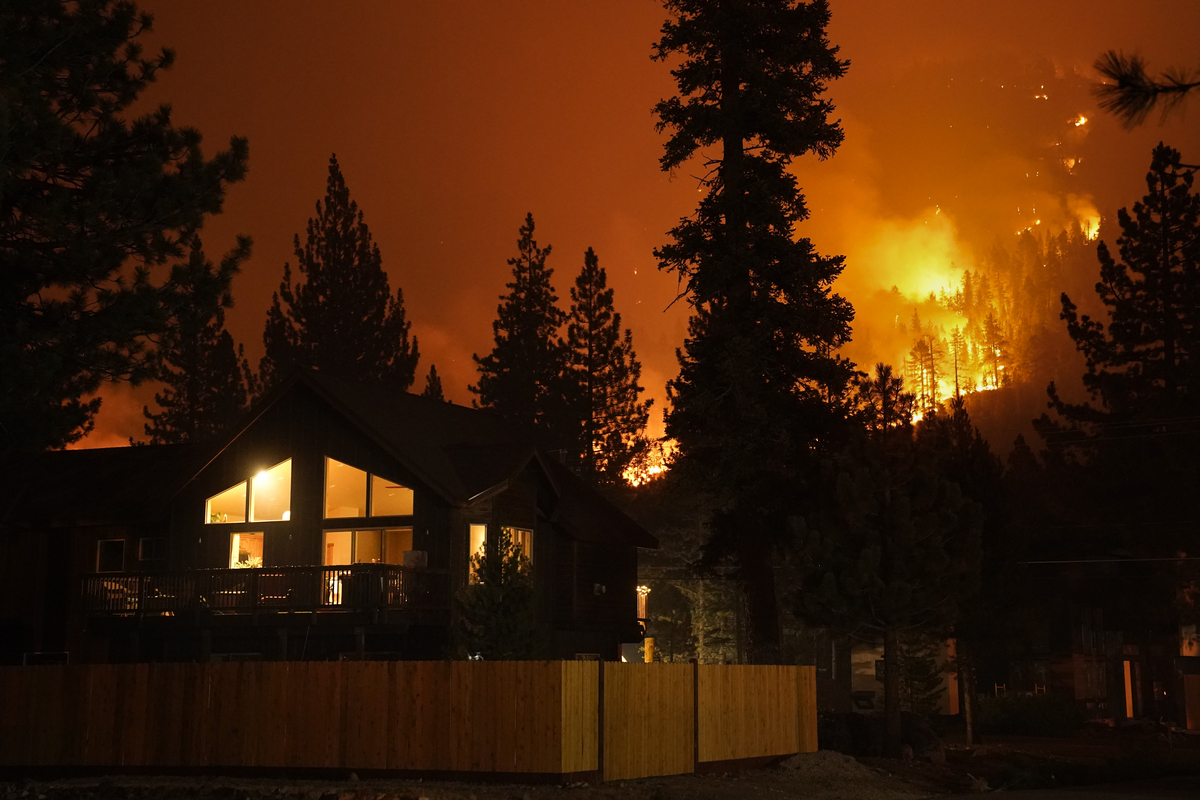
Nevada has stepped into the national spotlight — and stirred no small amount of controversy — by becoming the first state to let insurers sell homeowners’ policies that exclude wildfire coverage entirely. The bipartisan law, unanimously approved by the state legislature and signed by Governor Joe Lombardo, aims to reduce premiums in a market where climate pressures are rewriting the insurance rulebook across the West.
A Radical Shift in Coverage Options
The new rule, active as of January 1, allows insurers to offer two new products: standard homeowners insurance with wildfire excluded and dedicated wildfire-only policies. Advocates argue the added flexibility could help residents finally secure coverage in areas where insurers have grown increasingly cautious.
But consumer advocates warn that some policyholders may unknowingly decline wildfire protection — a potentially catastrophic oversight for forest-edge communities. As Michele Steinberg of the National Fire Protection Association warns, “You’re not dealing with losing a kitchen for a month. You’re homeless.”
Why Nevada? A Curious Case Study
Despite the dramatic tone of the move, Nevada isn’t dealing with the same insurance crisis faced by states like California or Florida. In fact, the state boasts some of the lowest homeowners’ premiums in the nation — an average of $1,555 in 2024.
The wildfire risk is also relatively modest. Nevada has received just $25 million in FEMA wildfire aid since 1998, a tiny fraction of California’s $6.8 billion. Pressure for this legislation largely came from high-value areas near Lake Tahoe, where insurers hesitate to back multimillion-dollar woodland estates.
The Mortgage Roadblock
Even with the new options, most Nevadans won’t be able to ditch wildfire coverage. Roughly 60 percent of U.S. homes have mortgages, and lenders like Fannie Mae and Freddie Mac require fire protection as part of underwriting standards.
So wildfire waivers may benefit mainly those who own property outright — generally wealthier homeowners. However, experts caution that introducing multiple optional coverages could overwhelm consumers. Insurance researcher Carolyn Kousky described the approach as “really harmful,” noting that expecting homeowners to stack complex policy layers is unrealistic.
Nevada’s New “Regulatory Sandbox”
The bill also launches a statewide regulatory sandbox, allowing insurers to test innovative products without traditional regulatory constraints. Supporters say this could lead to breakthroughs such as usage-based auto insurance or on-demand specialty policies.
With fifteen states now using sandbox systems in industries like insurance, fintech, and AI, Nevada aims to become a forward‑thinking hub for consumer‑focused innovation and cost‑cutting strategies.
What This Means for Real Estate and Insurance Professionals
Nevada’s wildfire waiver may set a precedent for Western states tackling rising climate risks and insurance instability. If it succeeds, more states could adopt similar flexibility — reshaping underwriting standards nationwide. If it fails, the fallout could be dramatic.
For real estate agents, insurance professionals, and mortgage specialists, staying informed about these shifts is no longer optional — it’s essential. Changes in coverage requirements can impact closings, valuations, disclosures, and buyer behavior.
Educational institutions like Cameron Academy play a crucial role in helping professionals stay ahead. With licensing and continuing‑education programs across real estate, insurance, and finance, Cameron Academy ensures today’s professionals keep pace with tomorrow’s evolving standards.
Getting licensed or staying ahead in your career can be a journey—but it doesn’t have to be overwhelming. Grab your favorite coffee or tea, take a moment to relax, and browse through our articles. Whether you’re just starting out or renewing your expertise, we’ve got tips, insights, and advice to keep you moving forward. Here’s to your success—one sip and one step at a time!
Artificial intelligence is speeding ahead, but real estate is discovering a hard truth: AI can’t work well on messy, inconsistent, and siloed data. Unlike finance or e‑commerce, the industry has never agreed on shared definitions or standardized frameworks, making it difficult for AI tools to interpret information at scale. Now, leaders across real estate are realizing that the real breakthrough won’t come from smarter algorithms—it will come from finally unifying the industry’s fragmented data so AI can deliver its full value.
Manhattan’s iconic Waldorf Astoria is hitting the market again—and its billion‑dollar price tag may reveal whether commercial real estate is finally recovering. After years of inflation, shutdowns, and stalled investment, new forecasts from major firms show growing optimism, making this sale a critical test for the 2026 market.
Homeowners across Florida are facing sharp increases in their escrow payments as insurance premiums continue to rise. With insurers leaving the state, rates climbing, and replacement policies costing far more, many residents are experiencing sudden spikes in their monthly mortgage bills. These escalating insurance-driven escrow costs are reshaping affordability, influencing buyer qualifications, and redefining financial stability for Floridians and the broader real estate market.
The modern MLS marketplace is one of real estate’s greatest success stories: transparent, efficient, and designed to help buyers and sellers win. But its very effectiveness has sparked a new risk — professionals looking to “stand out” by limiting exposure and restricting information. Research shows that full MLS visibility can boost a seller’s price by $50,000 to $75,000, yet off‑market tactics threaten to chip away at the system that delivers those gains. The MLS doesn’t need replacing; it needs thoughtful upgrades and well‑trained professionals who know how to protect and leverage its power.
Florida homeowners are being hit with a new kind of sticker shock as rising insurance premiums push escrow payments sharply higher, adding hundreds of dollars to monthly mortgage bills. The surge is reshaping budgets, impacting buyer qualification, and redefining affordability across the state. With insurers pulling back and premiums climbing faster than wages, both current owners and hopeful buyers must now navigate a market where insurance risk—not just home price—plays a major role in the true cost of living in the Sunshine State.
Florida’s mobile and manufactured homes are surging in popularity, but insuring them requires specialized HO-7 coverage designed for structures built off-site and more vulnerable to wind and weather. With rising premiums, unique risks, and new 2026 market shifts, homeowners and industry professionals need to understand what these policies cover, what they don’t, which insurers are leading the pack, and how to save without sacrificing protection.