Nevada Becomes the First State to Allow Homeowners Insurance Without Wildfire Coverage
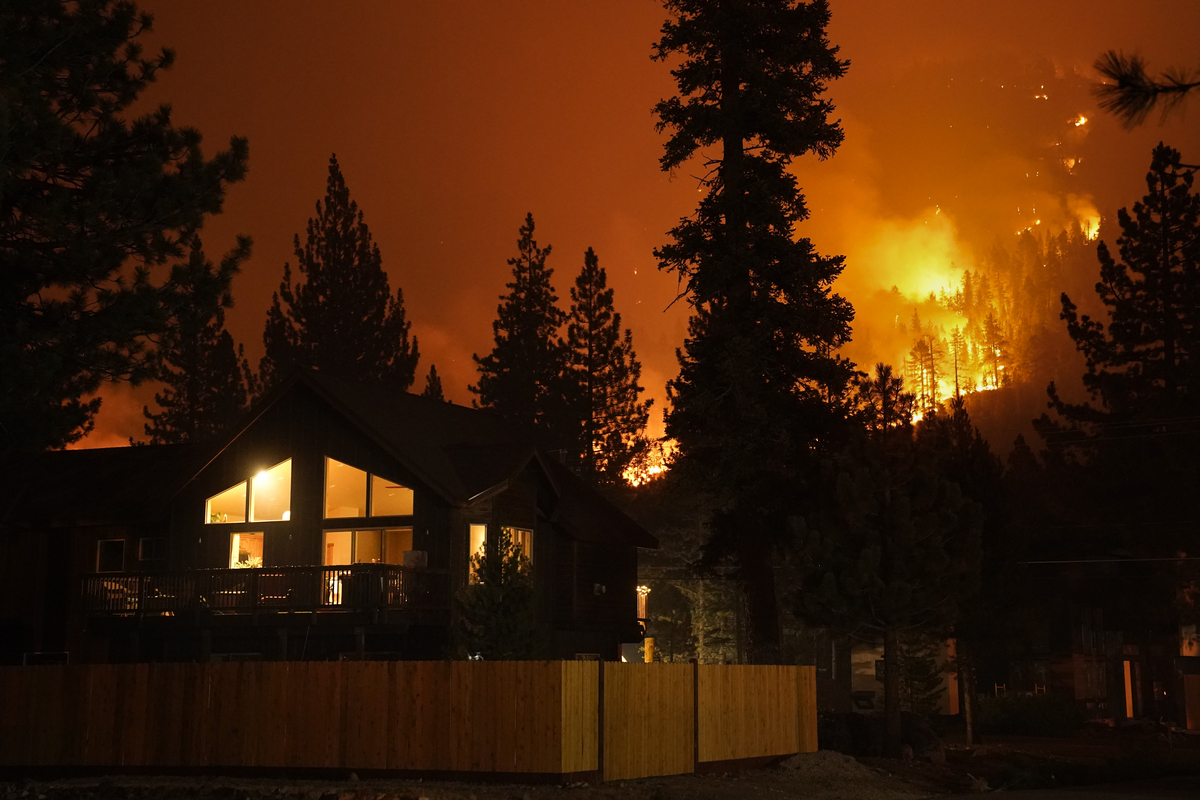
Nevada has stepped into the national spotlight — and stirred no small amount of controversy — by becoming the first state to let insurers sell homeowners’ policies that exclude wildfire coverage entirely. The bipartisan law, unanimously approved by the state legislature and signed by Governor Joe Lombardo, aims to reduce premiums in a market where climate pressures are rewriting the insurance rulebook across the West.
A Radical Shift in Coverage Options
The new rule, active as of January 1, allows insurers to offer two new products: standard homeowners insurance with wildfire excluded and dedicated wildfire-only policies. Advocates argue the added flexibility could help residents finally secure coverage in areas where insurers have grown increasingly cautious.
But consumer advocates warn that some policyholders may unknowingly decline wildfire protection — a potentially catastrophic oversight for forest-edge communities. As Michele Steinberg of the National Fire Protection Association warns, “You’re not dealing with losing a kitchen for a month. You’re homeless.”
Why Nevada? A Curious Case Study
Despite the dramatic tone of the move, Nevada isn’t dealing with the same insurance crisis faced by states like California or Florida. In fact, the state boasts some of the lowest homeowners’ premiums in the nation — an average of $1,555 in 2024.
The wildfire risk is also relatively modest. Nevada has received just $25 million in FEMA wildfire aid since 1998, a tiny fraction of California’s $6.8 billion. Pressure for this legislation largely came from high-value areas near Lake Tahoe, where insurers hesitate to back multimillion-dollar woodland estates.
The Mortgage Roadblock
Even with the new options, most Nevadans won’t be able to ditch wildfire coverage. Roughly 60 percent of U.S. homes have mortgages, and lenders like Fannie Mae and Freddie Mac require fire protection as part of underwriting standards.
So wildfire waivers may benefit mainly those who own property outright — generally wealthier homeowners. However, experts caution that introducing multiple optional coverages could overwhelm consumers. Insurance researcher Carolyn Kousky described the approach as “really harmful,” noting that expecting homeowners to stack complex policy layers is unrealistic.
Nevada’s New “Regulatory Sandbox”
The bill also launches a statewide regulatory sandbox, allowing insurers to test innovative products without traditional regulatory constraints. Supporters say this could lead to breakthroughs such as usage-based auto insurance or on-demand specialty policies.
With fifteen states now using sandbox systems in industries like insurance, fintech, and AI, Nevada aims to become a forward‑thinking hub for consumer‑focused innovation and cost‑cutting strategies.
What This Means for Real Estate and Insurance Professionals
Nevada’s wildfire waiver may set a precedent for Western states tackling rising climate risks and insurance instability. If it succeeds, more states could adopt similar flexibility — reshaping underwriting standards nationwide. If it fails, the fallout could be dramatic.
For real estate agents, insurance professionals, and mortgage specialists, staying informed about these shifts is no longer optional — it’s essential. Changes in coverage requirements can impact closings, valuations, disclosures, and buyer behavior.
Educational institutions like Cameron Academy play a crucial role in helping professionals stay ahead. With licensing and continuing‑education programs across real estate, insurance, and finance, Cameron Academy ensures today’s professionals keep pace with tomorrow’s evolving standards.
Getting licensed or staying ahead in your career can be a journey—but it doesn’t have to be overwhelming. Grab your favorite coffee or tea, take a moment to relax, and browse through our articles. Whether you’re just starting out or renewing your expertise, we’ve got tips, insights, and advice to keep you moving forward. Here’s to your success—one sip and one step at a time!
Flood insurance premiums across Florida are climbing fast, with more than 80% of NFIP policyholders seeing annual increases under FEMA’s Risk Rating 2.0. Some counties now face hikes exceeding $3,500 per year, adding pressure in a state where homeowners insurance already averages nearly $11,000 annually. As risk-based pricing takes hold and climate impacts intensify, Florida homeowners — and the real estate pros who advise them — must prepare for continued premium growth and major county‑to‑county disparities.
As insurers step into 2026, the property and casualty market shows its first signs of real stability after several turbulent years. Q4 results reveal disciplined underwriting, cooling rate hikes, and steady premium growth across major carriers. Commercial lines show selective momentum, personal lines begin to level out, and AI-driven efficiency becomes the industry’s new engine for profitability. With catastrophe losses moderating and tech adoption accelerating, professionals across insurance, real estate, and finance can expect a pivotal year—and an ideal moment to sharpen their skills through continuing education.
A new CBRE survey shows that most U.S. commercial real estate investors expect to increase their property purchases in 2026, signaling renewed confidence and market stabilization. Dallas remains the nation’s top target for the fifth straight year, followed by high‑growth metros like Atlanta, San Francisco, Miami, Charlotte, Raleigh‑Durham, Nashville, Tampa, Seattle, and New York City. These cities continue to draw strong investor interest due to population growth, business expansion, and robust development activity.
Florida Insurance Commissioner Michael Yaworsky says the state's turbulent property insurance market is finally calming, with Florida posting the lowest rate increases in the nation last year. Yet rising home replacement costs mean many homeowners won’t see relief in their premiums just yet. With Citizens Insurance shrinking, new legislative priorities emerging, and long‑term reforms taking hold, Florida’s real estate and insurance professionals are entering 2026 with cautious optimism and a clearer picture of what’s ahead.
A new CBRE survey shows investor optimism surging as 95% plan to buy more or the same amount of commercial real estate in 2026, with over half increasing their capital allocation. Stabilizing values, improving fundamentals, and expected relief in debt costs are driving renewed confidence, putting markets like Dallas, Atlanta, and Tampa in the spotlight as multifamily and industrial assets lead demand.
Artificial intelligence has moved from industry buzzword to essential mortgage‑lending tool, reshaping how loan officers work, communicate and compete. From smarter lead targeting to rapid content creation and CRM‑powered automation, AI is now the dividing line between lenders who scale efficiently and those stuck in manual workflows. This article breaks down why AI adoption is no longer optional, how top lenders are using it and what mortgage professionals must do now to stay competitive.