Nevada Becomes the First State to Allow Homeowners Insurance Without Wildfire Coverage
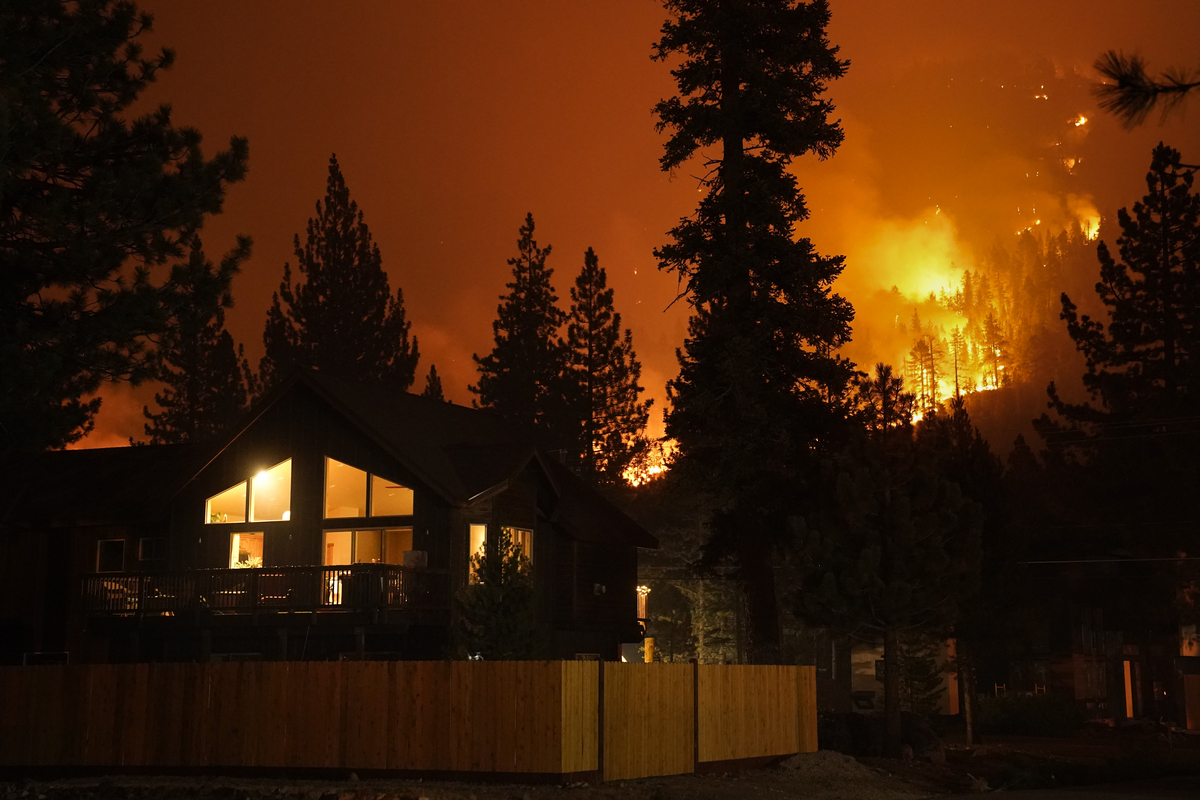
Nevada has stepped into the national spotlight — and stirred no small amount of controversy — by becoming the first state to let insurers sell homeowners’ policies that exclude wildfire coverage entirely. The bipartisan law, unanimously approved by the state legislature and signed by Governor Joe Lombardo, aims to reduce premiums in a market where climate pressures are rewriting the insurance rulebook across the West.
A Radical Shift in Coverage Options
The new rule, active as of January 1, allows insurers to offer two new products: standard homeowners insurance with wildfire excluded and dedicated wildfire-only policies. Advocates argue the added flexibility could help residents finally secure coverage in areas where insurers have grown increasingly cautious.
But consumer advocates warn that some policyholders may unknowingly decline wildfire protection — a potentially catastrophic oversight for forest-edge communities. As Michele Steinberg of the National Fire Protection Association warns, “You’re not dealing with losing a kitchen for a month. You’re homeless.”
Why Nevada? A Curious Case Study
Despite the dramatic tone of the move, Nevada isn’t dealing with the same insurance crisis faced by states like California or Florida. In fact, the state boasts some of the lowest homeowners’ premiums in the nation — an average of $1,555 in 2024.
The wildfire risk is also relatively modest. Nevada has received just $25 million in FEMA wildfire aid since 1998, a tiny fraction of California’s $6.8 billion. Pressure for this legislation largely came from high-value areas near Lake Tahoe, where insurers hesitate to back multimillion-dollar woodland estates.
The Mortgage Roadblock
Even with the new options, most Nevadans won’t be able to ditch wildfire coverage. Roughly 60 percent of U.S. homes have mortgages, and lenders like Fannie Mae and Freddie Mac require fire protection as part of underwriting standards.
So wildfire waivers may benefit mainly those who own property outright — generally wealthier homeowners. However, experts caution that introducing multiple optional coverages could overwhelm consumers. Insurance researcher Carolyn Kousky described the approach as “really harmful,” noting that expecting homeowners to stack complex policy layers is unrealistic.
Nevada’s New “Regulatory Sandbox”
The bill also launches a statewide regulatory sandbox, allowing insurers to test innovative products without traditional regulatory constraints. Supporters say this could lead to breakthroughs such as usage-based auto insurance or on-demand specialty policies.
With fifteen states now using sandbox systems in industries like insurance, fintech, and AI, Nevada aims to become a forward‑thinking hub for consumer‑focused innovation and cost‑cutting strategies.
What This Means for Real Estate and Insurance Professionals
Nevada’s wildfire waiver may set a precedent for Western states tackling rising climate risks and insurance instability. If it succeeds, more states could adopt similar flexibility — reshaping underwriting standards nationwide. If it fails, the fallout could be dramatic.
For real estate agents, insurance professionals, and mortgage specialists, staying informed about these shifts is no longer optional — it’s essential. Changes in coverage requirements can impact closings, valuations, disclosures, and buyer behavior.
Educational institutions like Cameron Academy play a crucial role in helping professionals stay ahead. With licensing and continuing‑education programs across real estate, insurance, and finance, Cameron Academy ensures today’s professionals keep pace with tomorrow’s evolving standards.
Getting licensed or staying ahead in your career can be a journey—but it doesn’t have to be overwhelming. Grab your favorite coffee or tea, take a moment to relax, and browse through our articles. Whether you’re just starting out or renewing your expertise, we’ve got tips, insights, and advice to keep you moving forward. Here’s to your success—one sip and one step at a time!
Fintech has evolved from simple digital banking tools into a global force transforming how we pay, borrow, invest, and manage financial data. With AI, blockchain, and open banking leading the way, fintech is opening new opportunities for consumers, businesses, and professionals across real estate, mortgage, insurance, and finance.
After months of hesitation, the commercial real estate market showed a major resurgence in Q3 2025. Large single‑asset transactions over $10 million jumped to $76 billion — the strongest level since 2022 — signaling renewed liquidity and growing confidence among institutional buyers. While overall volumes remain below peak highs, rising deal counts, stabilizing prices, and increased activity across industrial, multifamily, office, and retail sectors point toward a market steadily moving back toward normalization.
California’s property insurance market didn’t collapse overnight—it unraveled over years of political delays, soaring wildfire losses, and mounting pressure on insurers and reinsurers. As major carriers pulled out and rate approvals stalled, millions of homeowners were left scrambling for coverage under an overwhelmed FAIR Plan. At the center of the controversy stands Insurance Commissioner Ricardo Lara, whose decisions, industry ties, and behind‑the‑scenes negotiations have drawn sharp criticism. The result is a destabilized market affecting homeowners, real estate professionals, lenders, and entire communities—and the question of whether current reforms can truly fix what’s broken.
After a slow start to the year, commercial real estate showed a major resurgence in Q3 2025 as large single‑asset deals over $10 million surged past $76 billion in volume. With 1,826 major trades and the strongest growth rate in more than a decade, investor confidence appears to be returning across U.S. markets. While overall volumes still trail the record highs of 2021–2022, the renewed momentum in big‑ticket transactions points to improving liquidity, clearer pricing, and a potentially pivotal turning point for brokers, investors, and industry professionals.
California’s property insurance market has unraveled into one of the most expensive and consequential crises in U.S. history. Major carriers pulled back, wildfire risks soared, regulators stalled, and the state’s FAIR Plan exploded in size — leaving hundreds of thousands of homeowners without affordable coverage. Now, with victims underinsured, premiums surging, and a billion‑dollar bailout looming, the fallout is spilling beyond California. For real estate, mortgage, finance, and insurance professionals across the country, this is a warning of what happens when rising climate risks collide with outdated regulatory systems.
Sarasota County is on the brink of one of its largest modern expansions as the Winchester Ranch project moves closer to approval. Spanning more than 3,100 acres near North Port, the planned mega-development could bring up to 8,999 homes plus major commercial and industrial space. With construction projected to begin in 2027–2028, the community has sparked both excitement over new housing opportunities and concerns about environmental impact, placing it at the center of Florida’s ongoing growth debate.