Nevada Becomes the First State to Allow Homeowners Insurance Without Wildfire Coverage
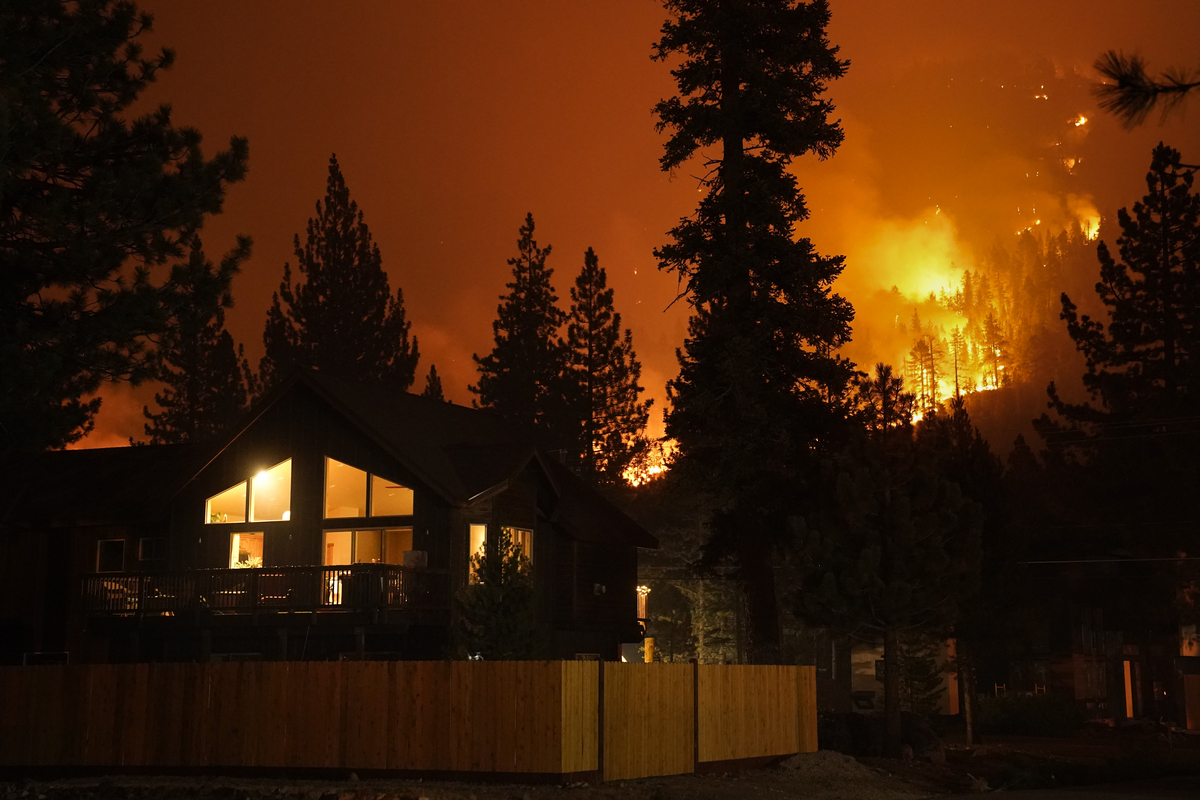
Nevada has stepped into the national spotlight — and stirred no small amount of controversy — by becoming the first state to let insurers sell homeowners’ policies that exclude wildfire coverage entirely. The bipartisan law, unanimously approved by the state legislature and signed by Governor Joe Lombardo, aims to reduce premiums in a market where climate pressures are rewriting the insurance rulebook across the West.
A Radical Shift in Coverage Options
The new rule, active as of January 1, allows insurers to offer two new products: standard homeowners insurance with wildfire excluded and dedicated wildfire-only policies. Advocates argue the added flexibility could help residents finally secure coverage in areas where insurers have grown increasingly cautious.
But consumer advocates warn that some policyholders may unknowingly decline wildfire protection — a potentially catastrophic oversight for forest-edge communities. As Michele Steinberg of the National Fire Protection Association warns, “You’re not dealing with losing a kitchen for a month. You’re homeless.”
Why Nevada? A Curious Case Study
Despite the dramatic tone of the move, Nevada isn’t dealing with the same insurance crisis faced by states like California or Florida. In fact, the state boasts some of the lowest homeowners’ premiums in the nation — an average of $1,555 in 2024.
The wildfire risk is also relatively modest. Nevada has received just $25 million in FEMA wildfire aid since 1998, a tiny fraction of California’s $6.8 billion. Pressure for this legislation largely came from high-value areas near Lake Tahoe, where insurers hesitate to back multimillion-dollar woodland estates.
The Mortgage Roadblock
Even with the new options, most Nevadans won’t be able to ditch wildfire coverage. Roughly 60 percent of U.S. homes have mortgages, and lenders like Fannie Mae and Freddie Mac require fire protection as part of underwriting standards.
So wildfire waivers may benefit mainly those who own property outright — generally wealthier homeowners. However, experts caution that introducing multiple optional coverages could overwhelm consumers. Insurance researcher Carolyn Kousky described the approach as “really harmful,” noting that expecting homeowners to stack complex policy layers is unrealistic.
Nevada’s New “Regulatory Sandbox”
The bill also launches a statewide regulatory sandbox, allowing insurers to test innovative products without traditional regulatory constraints. Supporters say this could lead to breakthroughs such as usage-based auto insurance or on-demand specialty policies.
With fifteen states now using sandbox systems in industries like insurance, fintech, and AI, Nevada aims to become a forward‑thinking hub for consumer‑focused innovation and cost‑cutting strategies.
What This Means for Real Estate and Insurance Professionals
Nevada’s wildfire waiver may set a precedent for Western states tackling rising climate risks and insurance instability. If it succeeds, more states could adopt similar flexibility — reshaping underwriting standards nationwide. If it fails, the fallout could be dramatic.
For real estate agents, insurance professionals, and mortgage specialists, staying informed about these shifts is no longer optional — it’s essential. Changes in coverage requirements can impact closings, valuations, disclosures, and buyer behavior.
Educational institutions like Cameron Academy play a crucial role in helping professionals stay ahead. With licensing and continuing‑education programs across real estate, insurance, and finance, Cameron Academy ensures today’s professionals keep pace with tomorrow’s evolving standards.
Getting licensed or staying ahead in your career can be a journey—but it doesn’t have to be overwhelming. Grab your favorite coffee or tea, take a moment to relax, and browse through our articles. Whether you’re just starting out or renewing your expertise, we’ve got tips, insights, and advice to keep you moving forward. Here’s to your success—one sip and one step at a time!
New data from the U.S. Bureau of Labor Statistics reveals major pay gaps across industries as we head into 2025. While top roles in finance, tech, and healthcare exceed $130,000 to $160,000 a year, other professions lag far behind—even when education levels are similar. Job titles, location, experience, and specialized skills are now some of the biggest factors shaping how much you earn. If you’ve been wondering whether your paycheck is keeping up with the market, this breakdown shows exactly where you stand and what it takes to boost your earning power.
A cooling housing market is giving buyers something they haven’t had in years: room to breathe. With slower sales, more inventory, and less pressure to make snap decisions, homebuyer regret has noticeably declined in 2025. Buyers are feeling more confident thanks to fewer bidding wars, reduced overpaying, and stronger financial preparation—though maintenance surprises still pose challenges. This shift toward a true buyer’s market offers real estate professionals a prime opportunity to guide clients with clarity and confidence.
This week’s commercial real estate roundup unpacks the lingering economic fallout from the 43‑day federal shutdown, new pressures on major office markets, and the rise of STEM‑driven cities reshaping demand nationwide. With fresh Q3 data from Altus showing stronger‑than‑expected transaction momentum, plus updates on Chicago’s valuation slide and national mortgage policy debates, this edition delivers the essential trends CRE, mortgage, finance, and appraisal professionals need to stay ahead.
ATTOM has been named Inman’s 2025 Best of Proptech winner, earning top recognition for its leadership in data and intelligence platforms. With advancements like Snowflake integration, ATTOM Nexus, and enhanced parcel‑centric analytics, the company is shaping the future of AI‑driven real estate decision‑making. This win highlights ATTOM’s growing role as a trusted data backbone for real estate, mortgage, insurance, and investment professionals nationwide.
A new report reveals that Florida’s property insurance market is far from recovering. Despite political claims of stabilization, homeowners are seeing premiums up 54% since 2019, widespread insurer instability, and some companies re‑entering the market under rebranded identities. With high rates of unpaid claims, delayed payouts, and policy non‑renewals, lawmakers are now pushing for transparency and oversight. For homeowners and industry professionals alike, understanding these risks is critical as Florida’s insurance challenges continue to deepen.
Despite new insurers entering the state and lawmakers touting market improvements, a new report reveals Florida’s property insurance system is still plagued by high premiums, weak oversight, and companies with troubled histories. Rates have climbed 54% since 2019, nearly one‑fifth of homeowners are now uninsured, and Florida leads the nation in unpaid and delayed claims. Critics warn that the state’s strategy of shifting risk to undercapitalized private companies may set the stage for another crisis — leaving homeowners, buyers, and real estate professionals navigating a market that’s far from stable.