New Affordable Housing Project Proposed in Eastmont, Oakland
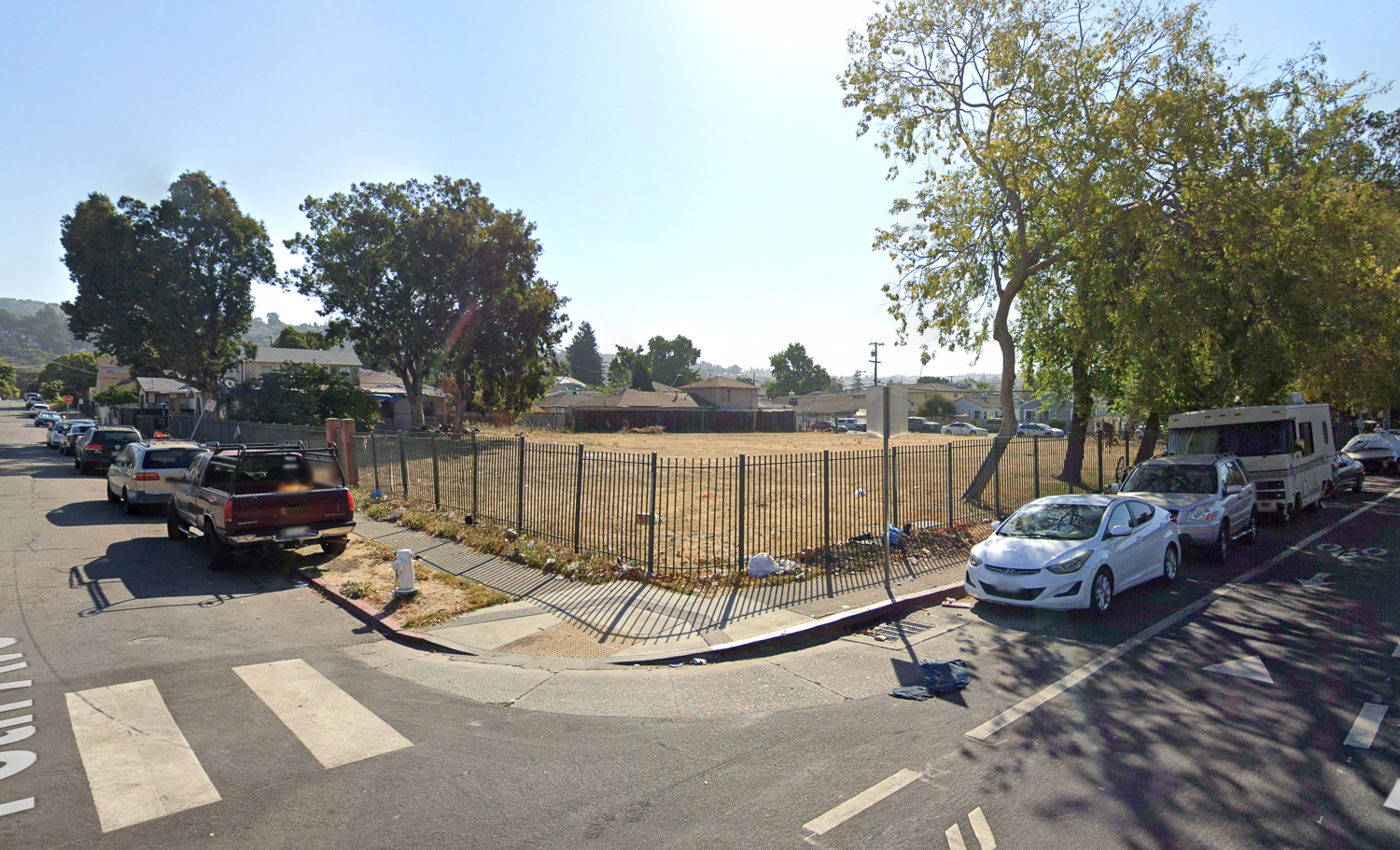
In a significant push towards addressing the housing needs in East Oakland, preliminary permits have been filed for a new affordable housing development at 2500 76th Avenue in the Eastmont neighborhood. This project, backed by Eden Housing, aims to transform a vacant parcel into a vibrant community for senior residents.
Eden Housing’s proposal is part of a broader initiative to redevelop the underutilized land surrounding the Eastmont Town Center, a hub for shopping and social services in East Oakland. The project will introduce at least 90 affordable housing units, focusing on creating an inclusive and engaging environment for its senior occupants. The development will feature interconnected yards and outdoor spaces designed to foster community interaction and host social events.
Community-Centric Design
The design of the new complex emphasizes a walkable community, with outdoor spaces playing a central role. A community front yard will serve as a venue for events, while an entry courtyard will connect residents to various social spaces. A second-level backyard will be equipped with seasonal gardens, enhancing the community’s appeal and functionality.
The property, spanning approximately 0.75 acres, is strategically located along Bancroft Avenue between 76th and 77th Streets. Its proximity to the Arroyo Viejo Recreation Center and the Eastmont Town Center ensures easy access to essential amenities and recreational facilities.
Collaborative Efforts
The project is a collaborative effort involving the California Affordable Housing Initiatives (CAHI), a branch of the Oakland Housing Authority that manages project-based Section 8 contracts from the US Department of Housing and Urban Development. CAHI’s involvement underscores the commitment to providing affordable housing solutions in the region.
This development follows recent plans by V23 Investment LLC for similar affordable housing projects in the area, as reported by YIMBY.
For further details on this initiative, visit the original article on San Francisco YIMBY.
More Articles
Getting licensed or staying ahead in your career can be a journey—but it doesn’t have to be overwhelming. Grab your favorite coffee or tea, take a moment to relax, and browse through our articles. Whether you’re just starting out or renewing your expertise, we’ve got tips, insights, and advice to keep you moving forward. Here’s to your success—one sip and one step at a time!
Fintech has evolved from simple digital banking tools into a global force transforming how we pay, borrow, invest, and manage financial data. With AI, blockchain, and open banking leading the way, fintech is opening new opportunities for consumers, businesses, and professionals across real estate, mortgage, insurance, and finance.
After months of hesitation, the commercial real estate market showed a major resurgence in Q3 2025. Large single‑asset transactions over $10 million jumped to $76 billion — the strongest level since 2022 — signaling renewed liquidity and growing confidence among institutional buyers. While overall volumes remain below peak highs, rising deal counts, stabilizing prices, and increased activity across industrial, multifamily, office, and retail sectors point toward a market steadily moving back toward normalization.
California’s property insurance market didn’t collapse overnight—it unraveled over years of political delays, soaring wildfire losses, and mounting pressure on insurers and reinsurers. As major carriers pulled out and rate approvals stalled, millions of homeowners were left scrambling for coverage under an overwhelmed FAIR Plan. At the center of the controversy stands Insurance Commissioner Ricardo Lara, whose decisions, industry ties, and behind‑the‑scenes negotiations have drawn sharp criticism. The result is a destabilized market affecting homeowners, real estate professionals, lenders, and entire communities—and the question of whether current reforms can truly fix what’s broken.
After a slow start to the year, commercial real estate showed a major resurgence in Q3 2025 as large single‑asset deals over $10 million surged past $76 billion in volume. With 1,826 major trades and the strongest growth rate in more than a decade, investor confidence appears to be returning across U.S. markets. While overall volumes still trail the record highs of 2021–2022, the renewed momentum in big‑ticket transactions points to improving liquidity, clearer pricing, and a potentially pivotal turning point for brokers, investors, and industry professionals.
California’s property insurance market has unraveled into one of the most expensive and consequential crises in U.S. history. Major carriers pulled back, wildfire risks soared, regulators stalled, and the state’s FAIR Plan exploded in size — leaving hundreds of thousands of homeowners without affordable coverage. Now, with victims underinsured, premiums surging, and a billion‑dollar bailout looming, the fallout is spilling beyond California. For real estate, mortgage, finance, and insurance professionals across the country, this is a warning of what happens when rising climate risks collide with outdated regulatory systems.
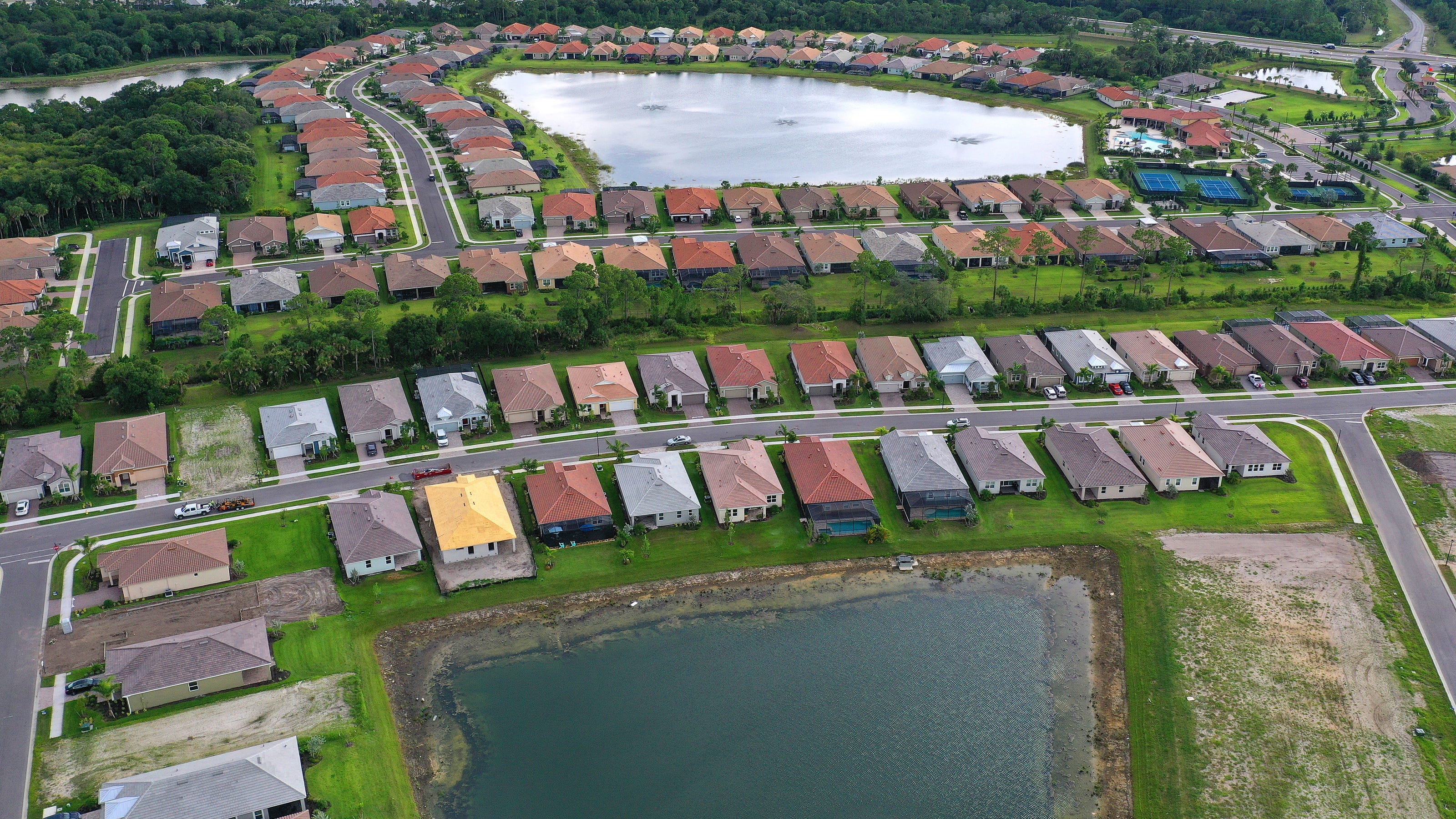
Sarasota County is on the brink of one of its largest modern expansions as the Winchester Ranch project moves closer to approval. Spanning more than 3,100 acres near North Port, the planned mega-development could bring up to 8,999 homes plus major commercial and industrial space. With construction projected to begin in 2027–2028, the community has sparked both excitement over new housing opportunities and concerns about environmental impact, placing it at the center of Florida’s ongoing growth debate.