New California Legislation Pushes Insurers to Cover Wildfire‑Safe Homes
In a sweeping legislative move reshaping the future of home insurance in wildfire‑prone regions, California lawmakers have introduced a bill requiring insurers to offer coverage to homeowners who take measurable steps to reduce wildfire risk. For the hundreds of thousands of Californians struggling to secure or maintain home insurance, this proposal could not be arriving at a more critical moment.
The newly introduced SB 1076, crafted by state Sen. Sasha Renée Pérez, guarantees that any home meeting wildfire‑safety standards set by the state insurance commissioner will be eligible for insurance coverage beginning January 1, 2028. Known as the Insurance Coverage for Fire‑Safe Homes Act, the bill represents a bold attempt to stabilize an increasingly distressed insurance marketplace.
Why This Bill Matters Now
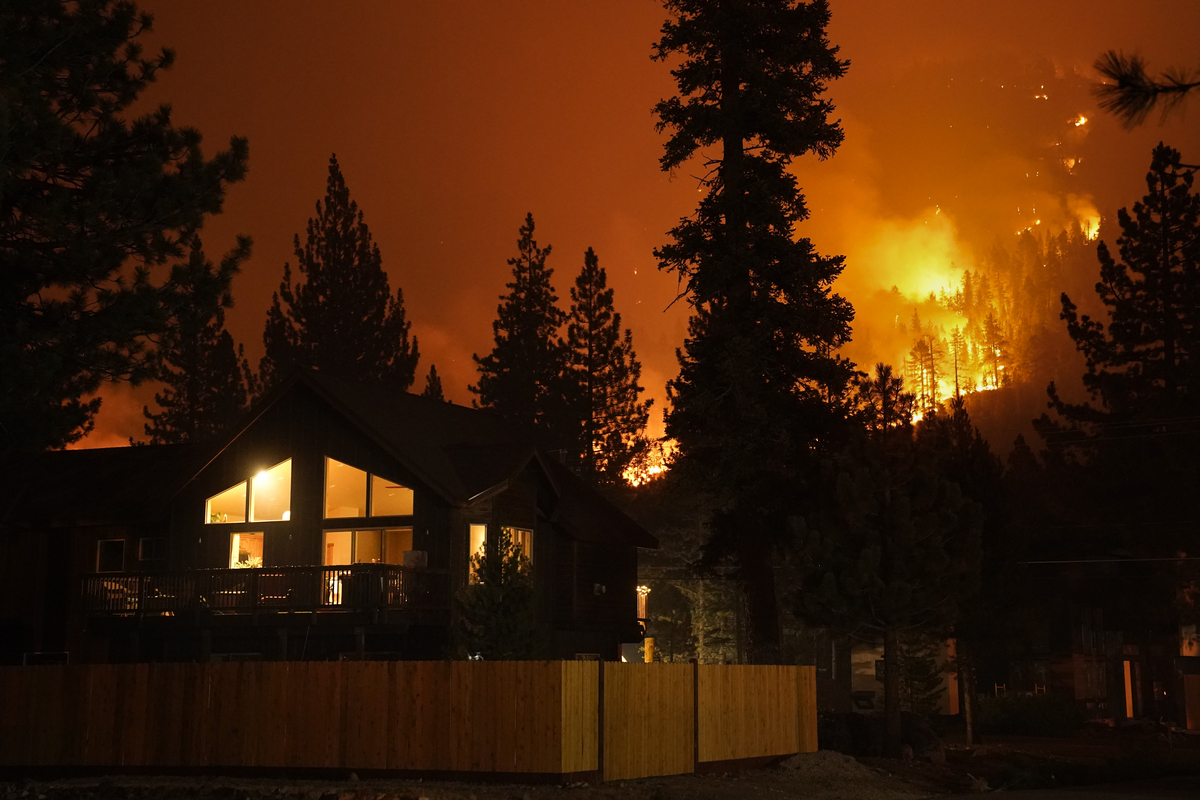
California’s wildfire seasons have grown more destructive, leaving behind not only charred landscapes but also a volatile insurance marketplace. Many insurers have reduced exposure or exited regions deemed too risky, forcing homeowners onto the limited—and often costlier—California FAIR Plan.
After the devastating Eaton fire of January 2025, survivors expressed fears that even rebuilding homes to gold‑standard safety levels might not guarantee insurance. Senator Pérez echoed their worries, emphasizing that responsible homeowners shouldn’t suffer for doing the right thing.
“Being denied coverage after meeting safety standards sends the wrong message and is akin to being penalized for doing the right thing.” — Sen. Sasha Renée Pérez
The bill packs real enforcement power. Insurers refusing to comply may face a five‑year ban from operating in California’s auto and home insurance markets. Companies dropping customers after the mandate takes effect could face identical penalties. Limited exceptions exist, but only through a strict waiver process tied directly to quantifiable risk concentration.
Supporters Rally Behind the Proposal
SB 1076 is co‑sponsored by the Eaton Fire Survivors Network and Consumer Watchdog, both longstanding advocates for fire‑affected Californians. Consumer Watchdog points to the surge of homeowners pushed to the FAIR Plan as a warning sign demanding urgent intervention.
Supporters argue that worsening conditions for homeowners, combined with strong polling data showing voter support, give this bill far greater momentum than similar 2023 proposals that failed to advance.
Key homeowner protections proposed:
- Guaranteed insurance offers for homes meeting fire‑safety standards
- Five‑year operational bans for non‑compliant insurers
- Clear wildfire‑mitigation criteria tied to state benchmarks
- Temporary waivers only when risk exposure is demonstrably too high
Critics Warn of Market Risks
Not everyone is convinced. Major insurance trade groups warn the bill might destabilize the market further. The Personal Insurance Federation of California argues the legislation could force insurers to write policies at a loss or face expulsion—potentially triggering an even broader insurance availability crisis.
The American Property and Casualty Insurance Association is also reviewing the bill, cautioning lawmakers against imposing additional burdens on an already strained system.
With such high stakes, the debate is expected to intensify as SB 1076 moves through committees.
Linking This to Real Estate and Professional Development
For real estate professionals, mortgage specialists, and insurance adjusters, the passage of SB 1076 could significantly reshape client conversations and risk‑assessment strategies. Buyers may feel more confident purchasing in fire‑risk regions, while sellers might invest heavily in mitigation projects to improve insurability.
And for those building or expanding careers in insurance, real estate, or risk‑management fields, staying informed on legislation like this is a competitive advantage. If you’re looking to strengthen your credentials—whether in real estate, insurance licensing, or mortgage education—Cameron Academy offers flexible, career‑centered training trusted by professionals nationwide.
A Growing Legislative Trend
SB 1076 is one of three insurance‑focused bills Senator Pérez introduced this year, co‑sponsored by the same advocacy groups. The others—SB 877 and SB 878—aim to improve claims transparency and penalize insurers for delayed payments. Together, these measures signal a statewide push toward stronger consumer protections in an increasingly turbulent insurance climate.
As wildfire seasons evolve and insurance markets tighten, California is taking decisive steps to protect homeowners and encourage responsible fire‑hardening measures statewide.