New Federal Safeguards Aim to Curb Dirty Money in U.S. Housing Market
The U.S. residential real estate market just entered a major new chapter. On March 1, the Treasury Department activated the first nationwide anti-money laundering protections for the industry. For the first time ever, professionals involved in closings and settlements must report certain non-financed transfers of residential property to entities or trusts. The new Residential Real Estate Rule, or RRE Rule, gives law enforcement powerful tools they have not had before.
The update follows years of warnings from investigators and national security experts. One of the strongest advocates, the FACT Coalition, has repeatedly emphasized the need for clearer oversight in an industry often clouded by secrecy.
A Growing Crackdown on Illicit Real Estate Cash
Ian Gary, executive director of the FACT Coalition, noted that U.S. real estate has long been an ideal hiding place for illicit money. With limited reporting requirements and plenty of loopholes, criminals and corrupt officials have used high-value property purchases to disguise dirty funds.
In his statement, Gary noted:
“The U.S. residential real estate sector has, for decades, been a magnet for the worlds dirty cash. Criminals, corrupt officials, and U.S. adversaries have been able to move their illicit funds into and through residential properties with ease. The system has been opaque for too long.”
The new FinCEN reporting requirements aim to close these gaps, deter abuse, and strengthen national security protections.
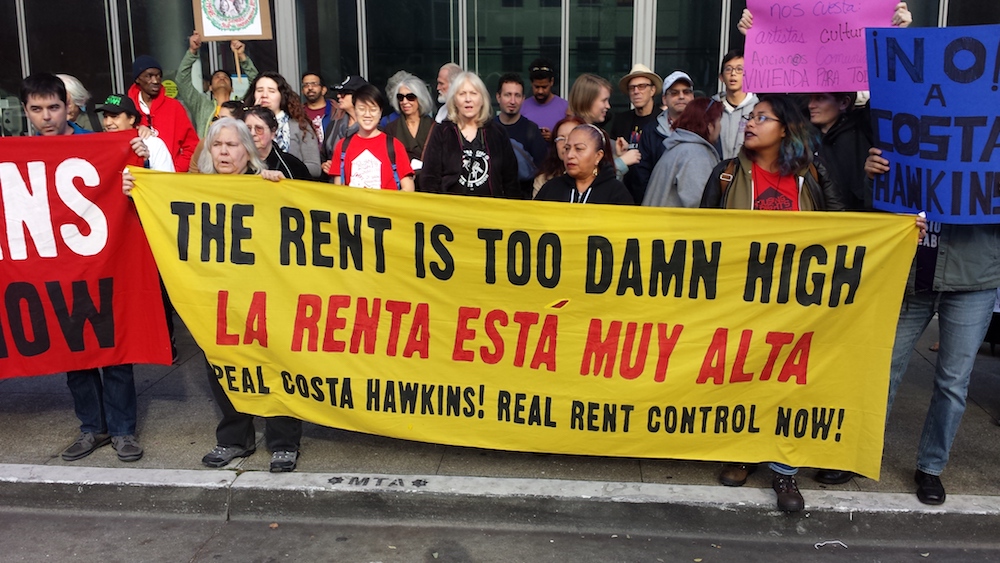
Gary also emphasized that restricting illicit funds could help stabilize housing prices and protect renters from absentee or negligent landlords operating behind anonymous ownership structures.
A Critical Moment for the U.S. on the Global Stage
The timing of this rule is no accident. The U.S. is currently undergoing evaluation by the Financial Action Task Force, the international authority that monitors anti-money laundering compliance. With the U.S. dollar functioning as the primary global currency, the stakes are significant.
The RRE Rule signals that the U.S. is committed to remaining a leader in the fight against illicit finance.
Courts Support the New Rule
The legal foundation behind the regulation was reinforced after two recent federal rulings upheld its constitutionality.
The U.S. District Court in Jacksonville, Florida concluded that Treasury has full authority to establish these reporting obligations under the Bank Secrecy Act. Soon after, a court in Lubbock, Texas issued similar support.
Those interested in reading more can explore the FACT Coalition press center at this link.
Why This Matters for Real Estate Professionals
Real estate remains one of the most attractive industries for illicit financial activity. FinCEN has repeatedly shown how bad actors distort housing prices, manipulate markets, and create unseen national security risks.
While this rule focuses on residential transactions, commercial real estate is likely the next frontier for regulatory oversight. Professionals across the field should monitor these changes closely.
Compliance knowledge is fast becoming a must-have skill for modern real estate agents.
For new or experienced professionals pursuing their license, these developments underline the importance of education that goes beyond exam prep. At Cameron Academy, students learn not only how to pass the Florida real estate exam but how to navigate an industry that is becoming more transparent, more regulated, and more globally connected.
Learn More
Readers can explore key documents at the official FinCEN links below:
As the regulatory landscape evolves, staying informed is no longer optional for real estate professionals. And at Cameron Academy, we help students stay ahead of the curve in a market that moves faster every year.
More Articles
Getting licensed or staying ahead in your career can be a journey—but it doesn’t have to be overwhelming. Grab your favorite coffee or tea, take a moment to relax, and browse through our articles. Whether you’re just starting out or renewing your expertise, we’ve got tips, insights, and advice to keep you moving forward. Here’s to your success—one sip and one step at a time!
A new CNBC Fed Survey reveals that economists expect just two additional interest rate cuts in 2026 and none in 2027, even if President Donald Trump appoints a more dovish Federal Reserve chair. Strong economic growth, stable inflation, and reduced recession fears are keeping rate‑cut expectations limited, signaling a more stable long‑term environment for real estate, mortgage, and financial professionals.
A nationwide insurance crisis is accelerating as climate‑driven disasters push premiums higher, force insurers out of multiple states, and reshape real estate and mortgage markets. Once limited to Florida and California, the instability now threatens 15 states where losses, extreme weather, and insurer withdrawals are creating mounting risks for homeowners and industry professionals alike.
Commercial real estate is entering 2026 with a cautious but strategic shift. Companies are ditching oversized offices in favor of smaller, higher‑quality spaces packed with amenities that attract today’s workforce. Downtown markets like Portland remain steady, while suburban vacancies rise and landlords get creative with incentives. Industrial real estate is cooling after years of explosive growth, and developers are hesitating—though multifamily and hotel projects continue to push forward. Overall, the theme of the year is patience, as businesses wait for clearer signals on interest rates, construction costs, and long‑term workplace trends.
A new study from leading urban scholars reveals that zoning laws and construction slowdowns aren’t the true cause of America’s housing crisis. Even with massive building booms, rents would barely drop for decades. The real culprit? Soaring economic inequality. Until the widening wealth gap is addressed, policies like upzoning and deregulation won’t make housing affordable for working Americans—and may even push prices higher.
Cambio, a fast‑growing AI proptech company, has secured an $18 million Series A at a $100 million valuation, aiming to overhaul how commercial real estate firms process documents and make investment decisions. By converting messy PDFs, spreadsheets, and audit files into investor‑ready insights in minutes, the platform is rapidly expanding—now active in 35 countries and managing data for over 2 billion square feet of assets.
Florida’s insurance market is finally showing signs of real recovery heading into 2026. Industry leaders say recent legal reforms have sharply reduced lawsuits, allowing insurers to stabilize rates — and even introduce reductions for the first time in years. With new companies entering the state and solvency at its strongest level in more than a decade, real estate and mortgage professionals may benefit from improved buyer confidence and smoother closings as insurance becomes more predictable again.