New Federal Safeguards Aim to Curb Dirty Money in U.S. Housing Market
The U.S. residential real estate market just entered a major new chapter. On March 1, the Treasury Department activated the first nationwide anti-money laundering protections for the industry. For the first time ever, professionals involved in closings and settlements must report certain non-financed transfers of residential property to entities or trusts. The new Residential Real Estate Rule, or RRE Rule, gives law enforcement powerful tools they have not had before.
The update follows years of warnings from investigators and national security experts. One of the strongest advocates, the FACT Coalition, has repeatedly emphasized the need for clearer oversight in an industry often clouded by secrecy.
A Growing Crackdown on Illicit Real Estate Cash
Ian Gary, executive director of the FACT Coalition, noted that U.S. real estate has long been an ideal hiding place for illicit money. With limited reporting requirements and plenty of loopholes, criminals and corrupt officials have used high-value property purchases to disguise dirty funds.
In his statement, Gary noted:
“The U.S. residential real estate sector has, for decades, been a magnet for the worlds dirty cash. Criminals, corrupt officials, and U.S. adversaries have been able to move their illicit funds into and through residential properties with ease. The system has been opaque for too long.”
The new FinCEN reporting requirements aim to close these gaps, deter abuse, and strengthen national security protections.
Gary also emphasized that restricting illicit funds could help stabilize housing prices and protect renters from absentee or negligent landlords operating behind anonymous ownership structures.
A Critical Moment for the U.S. on the Global Stage
The timing of this rule is no accident. The U.S. is currently undergoing evaluation by the Financial Action Task Force, the international authority that monitors anti-money laundering compliance. With the U.S. dollar functioning as the primary global currency, the stakes are significant.
The RRE Rule signals that the U.S. is committed to remaining a leader in the fight against illicit finance.
Courts Support the New Rule
The legal foundation behind the regulation was reinforced after two recent federal rulings upheld its constitutionality.
The U.S. District Court in Jacksonville, Florida concluded that Treasury has full authority to establish these reporting obligations under the Bank Secrecy Act. Soon after, a court in Lubbock, Texas issued similar support.
Those interested in reading more can explore the FACT Coalition press center at this link.
Why This Matters for Real Estate Professionals
Real estate remains one of the most attractive industries for illicit financial activity. FinCEN has repeatedly shown how bad actors distort housing prices, manipulate markets, and create unseen national security risks.
While this rule focuses on residential transactions, commercial real estate is likely the next frontier for regulatory oversight. Professionals across the field should monitor these changes closely.
Compliance knowledge is fast becoming a must-have skill for modern real estate agents.
For new or experienced professionals pursuing their license, these developments underline the importance of education that goes beyond exam prep. At Cameron Academy, students learn not only how to pass the Florida real estate exam but how to navigate an industry that is becoming more transparent, more regulated, and more globally connected.
Learn More
Readers can explore key documents at the official FinCEN links below:
As the regulatory landscape evolves, staying informed is no longer optional for real estate professionals. And at Cameron Academy, we help students stay ahead of the curve in a market that moves faster every year.
More Articles
Getting licensed or staying ahead in your career can be a journey—but it doesn’t have to be overwhelming. Grab your favorite coffee or tea, take a moment to relax, and browse through our articles. Whether you’re just starting out or renewing your expertise, we’ve got tips, insights, and advice to keep you moving forward. Here’s to your success—one sip and one step at a time!
December is bringing more than holiday stress—mortgage rates are climbing as the Federal Reserve delivers mixed signals and key economic reports face delays. After sharp swings in November, analysts expect rates to rise through the month, with internal disagreements among Fed members adding to the turbulence. As lenders recalibrate their expectations for early 2026, buyers and industry professionals should brace for rapid, unpredictable rate movements.
Artificial intelligence is rapidly transforming how real estate professionals work, and this week’s updates highlight just how fast the tech is evolving. Rechat’s new integration with Follow Up Boss streamlines CRM, marketing, and communication into one powerful workflow. RealScout has introduced an AI‑driven search tool built specifically for agents, delivering precise results from natural language prompts. Meanwhile, UtahRealEstate.com has launched AI voice search for consumers, offering real‑time conversational home‑finding. Together, these advancements signal a new era of efficiency and opportunity for both new and seasoned real estate professionals.
The Government Accountability Office is urging the FHFA to issue clear, updated guidance for Fannie Mae and Freddie Mac as AI‑driven tools reshape the mortgage industry. With automated valuations, underwriting systems, and algorithmic advertising carrying risks of embedded bias, regulators fear that fast‑moving proptech innovations may unintentionally reinforce past discrimination. The call for action comes as federal oversight shifts and industry professionals face growing pressure to stay compliant in an increasingly digital housing market.
Florida’s real estate and insurance sectors are undergoing major end‑of‑year shifts, from new AI oversight proposals and cooling housing markets to rising insurance premiums and transformative housing legislation. With inventory changes, pricing corrections, and new educational opportunities emerging across the state, professionals and students alike can use these insights to stay ahead in a rapidly evolving 2025–2026 landscape.
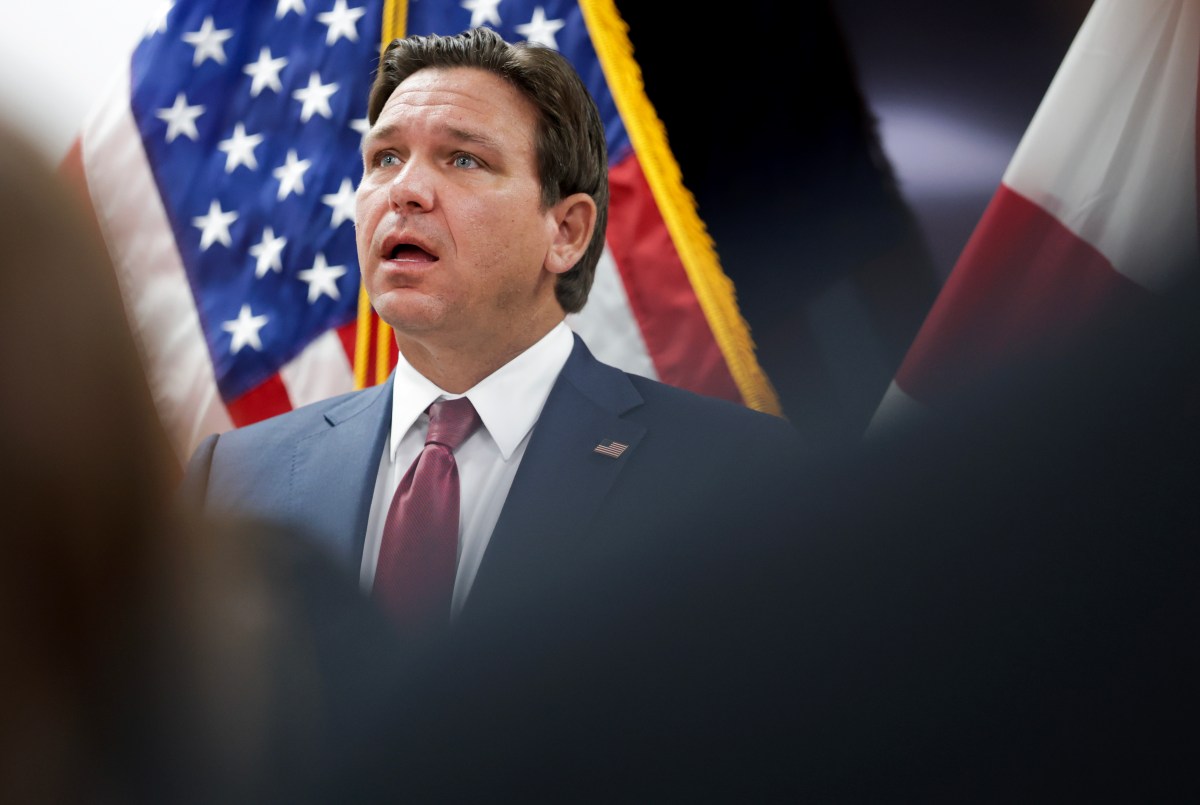
New analysis shows that eliminating property taxes in Florida—an idea promoted by Governor Ron DeSantis—could instantly raise home prices by 7 to 9 percent. While current homeowners may welcome the boost, experts warn it would worsen the state’s affordability crisis and shift tax burdens elsewhere, making it harder for future buyers and first‑time homeowners to enter the market.
Cyprus is rolling out sweeping housing and construction reforms, including fast‑track permits, incentives for affordable development, and a push for EU‑wide housing strategy. With single‑ and two‑family home approvals targeted at 40 days and apartment buildings at 80, the nation is tackling delays and boosting supply—offering insights and parallels for U.S. real estate and development professionals watching global trends.