New Florida Laws Taking Effect January 1: What Professionals Need to Know in 2026
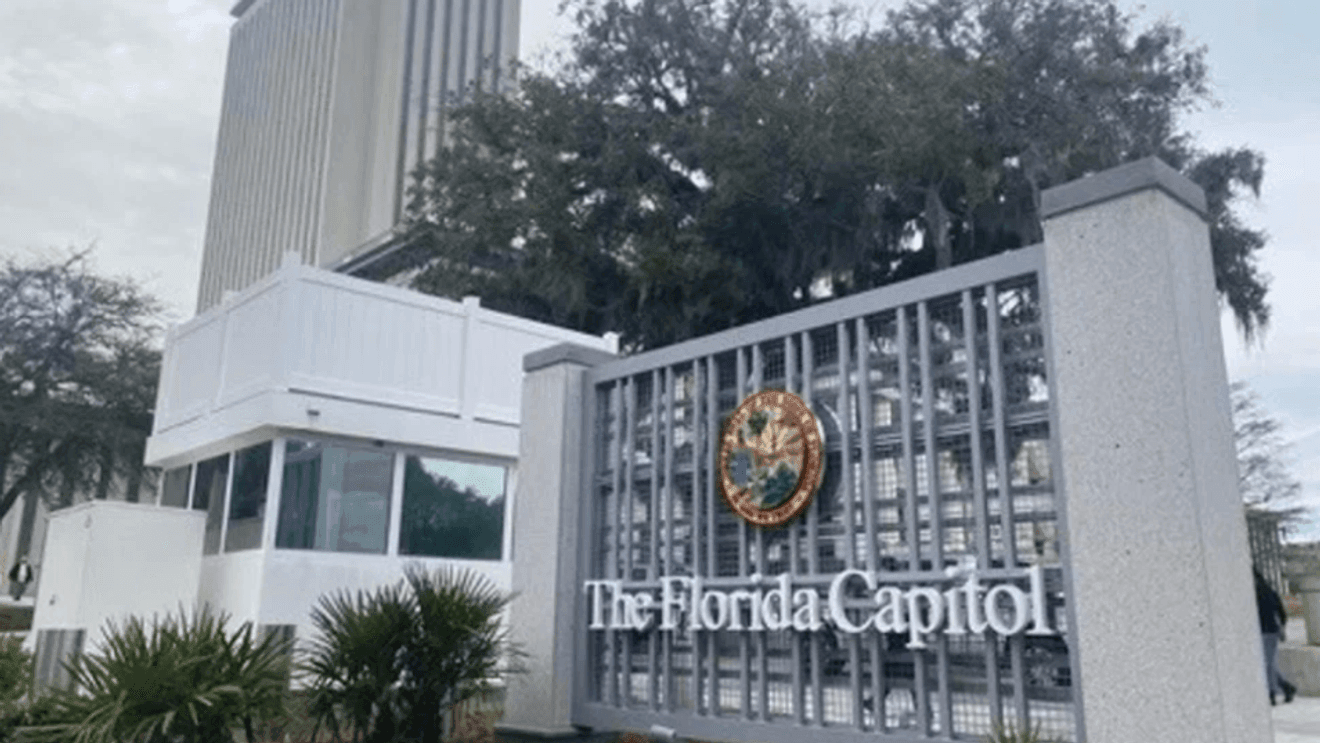
Florida capitol entrance in tallahassee

As Floridians welcome the new year, a sweeping wave of legislation arrives with it. From enhanced healthcare protections to smarter animal welfare laws and improved accountability measures, 2026 launches with policies designed to support consumers, strengthen public safety, and streamline professional compliance statewide.

Originally reported by CBS12 and WEAR‑TV, these updates reflect an active legislative cycle with more than 250 new bills becoming law. Below is a polished breakdown of the most impactful changes — especially valuable for professionals, state employees, and those navigating regulatory requirements in the year ahead.

Breast Exam Coverage for State Employees

Senate Bill 158 removes all cost‑sharing for diagnostic and supplemental breast exams under the state group insurance plan. That means no more out‑of‑pocket fees for critical screenings such as MRIs and ultrasounds — a major step forward in preventive care accessibility.

Pet Insurance Regulation

House Bill 655 officially defines pet insurance as a form of property insurance. The law now requires insurers to follow transparent disclosure rules, avoid misleading marketing, and clearly separate wellness plans from true insurance products. This shift marks a meaningful improvement in consumer clarity and protection.

Refunds for Health Care Overpayments

Under Senate Bill 1808, healthcare providers must refund patients within 30 days after identifying any overpayment. Failure to comply can result in disciplinary action or fines up to $500. This update closes a frustrating gap in billing fairness and promotes stronger consumer advocacy.

Did You Know? Many licensed Florida professionals — including healthcare workers, real estate agents, and insurance specialists — must stay current on new laws as part of their continuing education. If you’re renewing or upgrading your license, Cameron Academy offers flexible, career‑focused online programs for professionals across all 50 states.

Other Key Laws Taking Effect January 1

Several previously approved laws also hit important milestones this month, including:

Dexter’s Law (HB 255): Toughens penalties for aggravated animal cruelty and establishes a public statewide offender database to help shelters and adoption agencies make safer decisions.

Vessel Accountability (HB 164): Strengthens oversight of derelict boats and introduces a free long‑term anchoring permit, improving waterway regulation and coastal safety.

Fertility Preservation Coverage (HB 677): Requires state health plans issued after January 1 to include fertility preservation services for cancer patients — a compassionate and long‑awaited update.

Condo Relief (HB 913): Mandates condominium associations to post meeting minutes and video recordings online within strict new deadlines. This is especially relevant for real estate professionals, property managers, and community association leaders.

Child Welfare (SB 7012): Launches a pilot program for treatment foster care and implements workforce improvements across child services to support better system outcomes.

A State Moving Toward Stronger Protections

Florida’s newest laws reflect a clear focus on consumer rights, healthcare accessibility, and responsible community management. With the state experiencing rapid population and industry growth, staying informed is more important than ever.

To explore every new law and deadline, visit the Florida Legislature’s official website — or read the original coverage at WEAR‑TV:
https://weartv.com/news/local/new-florida-laws-taking-effect-jan-1-animal-cruelty-pet-insurance-health-care-changes


More Articles

Getting licensed or staying ahead in your career can be a journey—but it doesn’t have to be overwhelming. Grab your favorite coffee or tea, take a moment to relax, and browse through our articles. Whether you’re just starting out or renewing your expertise, we’ve got tips, insights, and advice to keep you moving forward. Here’s to your success—one sip and one step at a time!

Why Today’s High Mortgage Rates Matter More Than Ever for the Housing Market

A growing share of American homeowners now carry mortgage rates above 5%—a dramatic shift that’s reshaping refinancing, inventory, and buyer behavior nationwide. With more than 30% of borrowers locked into rates over 5% and 20% above 6%, the market is split between owners holding on to low pandemic‑era loans and new buyers taking on higher‑rate mortgages. Federal efforts to push rates down could unlock millions of refinancing opportunities, while buyers see only modest monthly savings. For real estate professionals, understanding these rate dynamics is crucial as they increasingly drive inventory levels, affordability, and market activity.

CRE Deal Volume Dips in December, but Office Sector Stages an Unexpected Comeback

New Moody’s data shows commercial real estate deal volume slipped 20% in December, marking a second monthly decline. Yet the full year tells a different story: 2025 ended with a 17% gain, signaling a quiet but resilient recovery. The biggest surprise came from the office sector, which posted a 21% jump in activity as return‑to‑office trends and AI‑driven job growth boosted demand. Multifamily, retail, and alternative assets like data centers also saw strong momentum, giving real estate professionals a market full of fresh opportunities heading into 2026.

Florida Kicks Off 2026 With Major Auto Insurance Rate Cuts and Market Stability

Florida drivers and industry professionals are heading into 2026 with good news: auto insurance rates are dropping across the state as the market shows strong signs of stabilization. USAA leads the latest wave with a 7% average rate decrease expected in May 2026, saving members more than $125 million annually. They join several major insurers — including State Farm, Progressive, AAA, Allstate, and Florida Farm Bureau — all approving significant reductions. Officials credit recent legislative reforms, especially tort reform, for the improved loss ratios and renewed insurer confidence. With both auto and home insurance markets strengthening, Florida’s real estate, mortgage, and insurance professionals can expect more consumer confidence, smoother transactions, and expanding career opportunities.

The 2024 Housing Shortage: Why America Is Still 1.2 Million Homes Behind

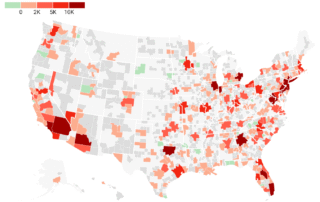
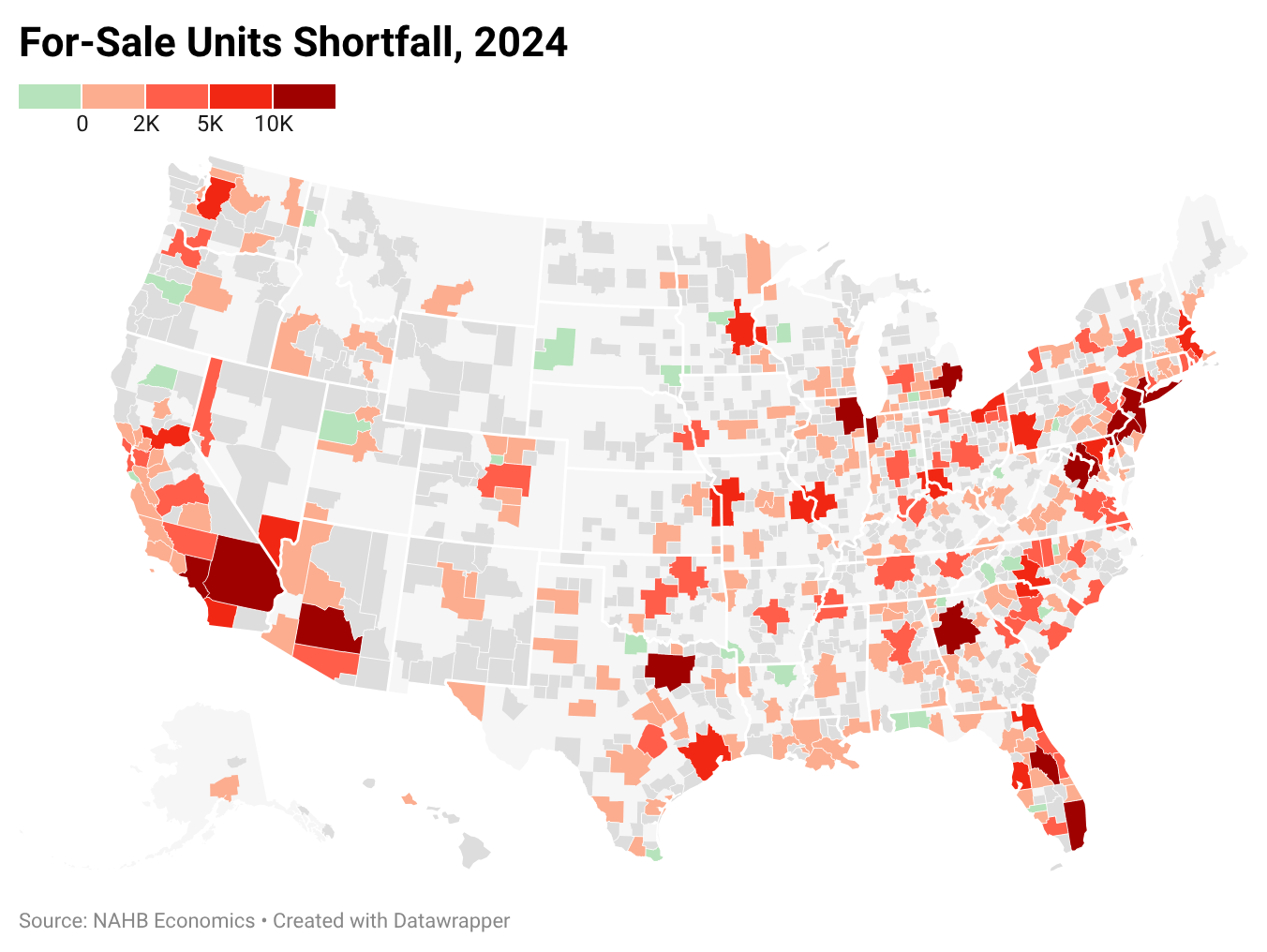
New data from Eye On Housing and the NAHB shows the U.S. remains short more than 1.2 million housing units, keeping pressure on both rents and home prices. Record‑low vacancy rates, slow single‑family construction, and restrictive zoning continue to fuel intense competition in 2024. Major metros like Chicago, New York, and Atlanta face some of the deepest deficits, and the true nationwide shortfall may be even higher when accounting for overcrowding and aging homes. For real estate professionals, the ongoing shortage means sustained demand, tighter inventory, and major opportunities for those who understand the evolving market.

AI Isn’t the Shiny Object Anymore — It’s the New System Driving Real Estate Success

Top real estate coach Jason Pantana says the divide between agents today isn’t about who has “tried” AI — it’s about who is immersed in it. In a new HousingWire interview, he explains why AI isn’t a gimmick but a full business system that amplifies output, improves authenticity, and reshapes how clients search for agents. From prompt mastery to AI‑driven visibility on Google, Pantana reveals how agents who commit even 15 minutes a day to learning AI are already outperforming those who hesitate.

DFW Commercial Real Estate 2025: Industrial Surges, Retail Shines, Office Struggles

Dallas–Fort Worth’s commercial real estate market closed 2025 with a split personality. Industrial dominated with massive new deliveries and soaring leasing demand, retail held steady with some of the market’s strongest fundamentals in years, and office continued to falter under remote‑work pressures. High vacancies, weak absorption, and rising demand for top‑tier space show the sector’s ongoing reset. Meanwhile, industrial and retail strength position the Metroplex for another powerhouse year heading into 2026.