New Florida Laws Taking Effect January 1: What Professionals Need to Know in 2026
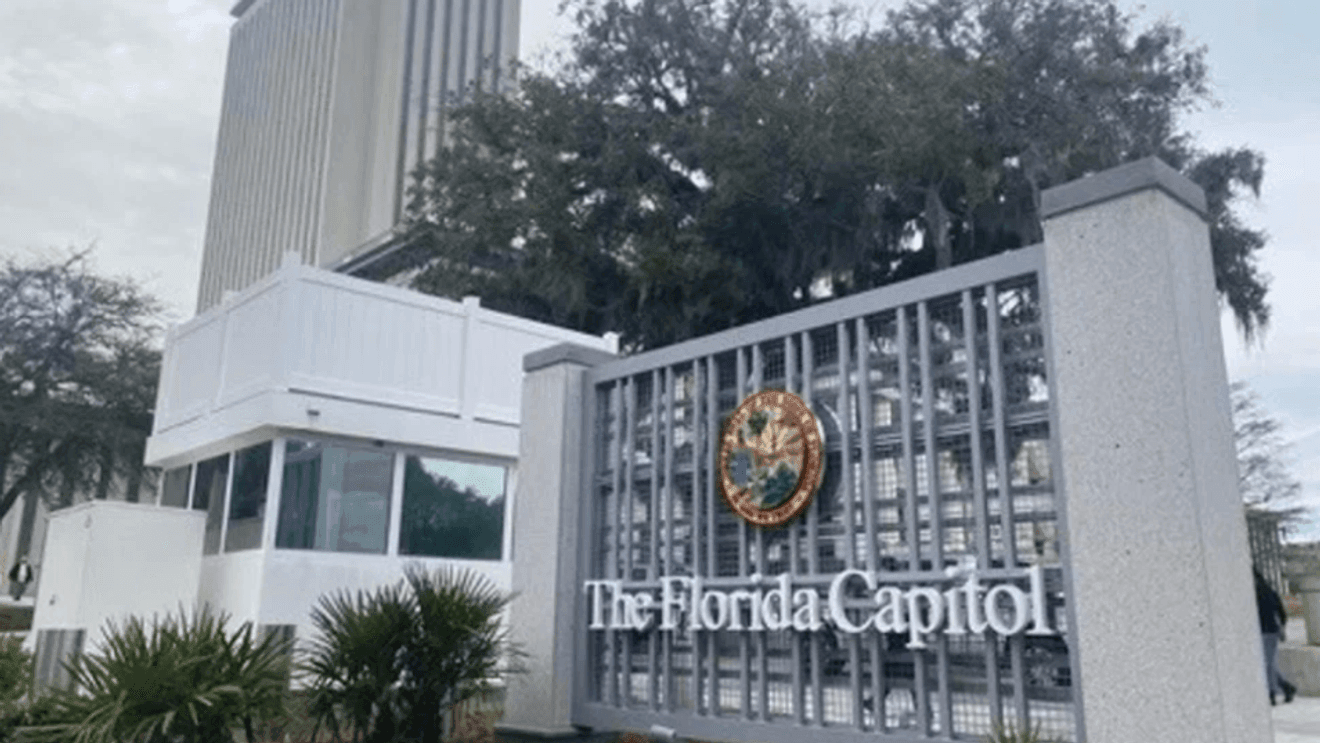
As Floridians welcome the new year, a sweeping wave of legislation arrives with it. From enhanced healthcare protections to smarter animal welfare laws and improved accountability measures, 2026 launches with policies designed to support consumers, strengthen public safety, and streamline professional compliance statewide.
Originally reported by CBS12 and WEAR‑TV, these updates reflect an active legislative cycle with more than 250 new bills becoming law. Below is a polished breakdown of the most impactful changes — especially valuable for professionals, state employees, and those navigating regulatory requirements in the year ahead.
Breast Exam Coverage for State Employees
Senate Bill 158 removes all cost‑sharing for diagnostic and supplemental breast exams under the state group insurance plan. That means no more out‑of‑pocket fees for critical screenings such as MRIs and ultrasounds — a major step forward in preventive care accessibility.
Pet Insurance Regulation
House Bill 655 officially defines pet insurance as a form of property insurance. The law now requires insurers to follow transparent disclosure rules, avoid misleading marketing, and clearly separate wellness plans from true insurance products. This shift marks a meaningful improvement in consumer clarity and protection.
Refunds for Health Care Overpayments
Under Senate Bill 1808, healthcare providers must refund patients within 30 days after identifying any overpayment. Failure to comply can result in disciplinary action or fines up to $500. This update closes a frustrating gap in billing fairness and promotes stronger consumer advocacy.
Did You Know? Many licensed Florida professionals — including healthcare workers, real estate agents, and insurance specialists — must stay current on new laws as part of their continuing education. If you’re renewing or upgrading your license, Cameron Academy offers flexible, career‑focused online programs for professionals across all 50 states.
Other Key Laws Taking Effect January 1
Several previously approved laws also hit important milestones this month, including:
Dexter’s Law (HB 255): Toughens penalties for aggravated animal cruelty and establishes a public statewide offender database to help shelters and adoption agencies make safer decisions.
Vessel Accountability (HB 164): Strengthens oversight of derelict boats and introduces a free long‑term anchoring permit, improving waterway regulation and coastal safety.
Fertility Preservation Coverage (HB 677): Requires state health plans issued after January 1 to include fertility preservation services for cancer patients — a compassionate and long‑awaited update.
Condo Relief (HB 913): Mandates condominium associations to post meeting minutes and video recordings online within strict new deadlines. This is especially relevant for real estate professionals, property managers, and community association leaders.
Child Welfare (SB 7012): Launches a pilot program for treatment foster care and implements workforce improvements across child services to support better system outcomes.
A State Moving Toward Stronger Protections
Florida’s newest laws reflect a clear focus on consumer rights, healthcare accessibility, and responsible community management. With the state experiencing rapid population and industry growth, staying informed is more important than ever.
To explore every new law and deadline, visit the Florida Legislature’s official website — or read the original coverage at WEAR‑TV:
https://weartv.com/news/local/new-florida-laws-taking-effect-jan-1-animal-cruelty-pet-insurance-health-care-changes