New Florida Laws Taking Effect January 1: What Professionals Need to Know in 2026
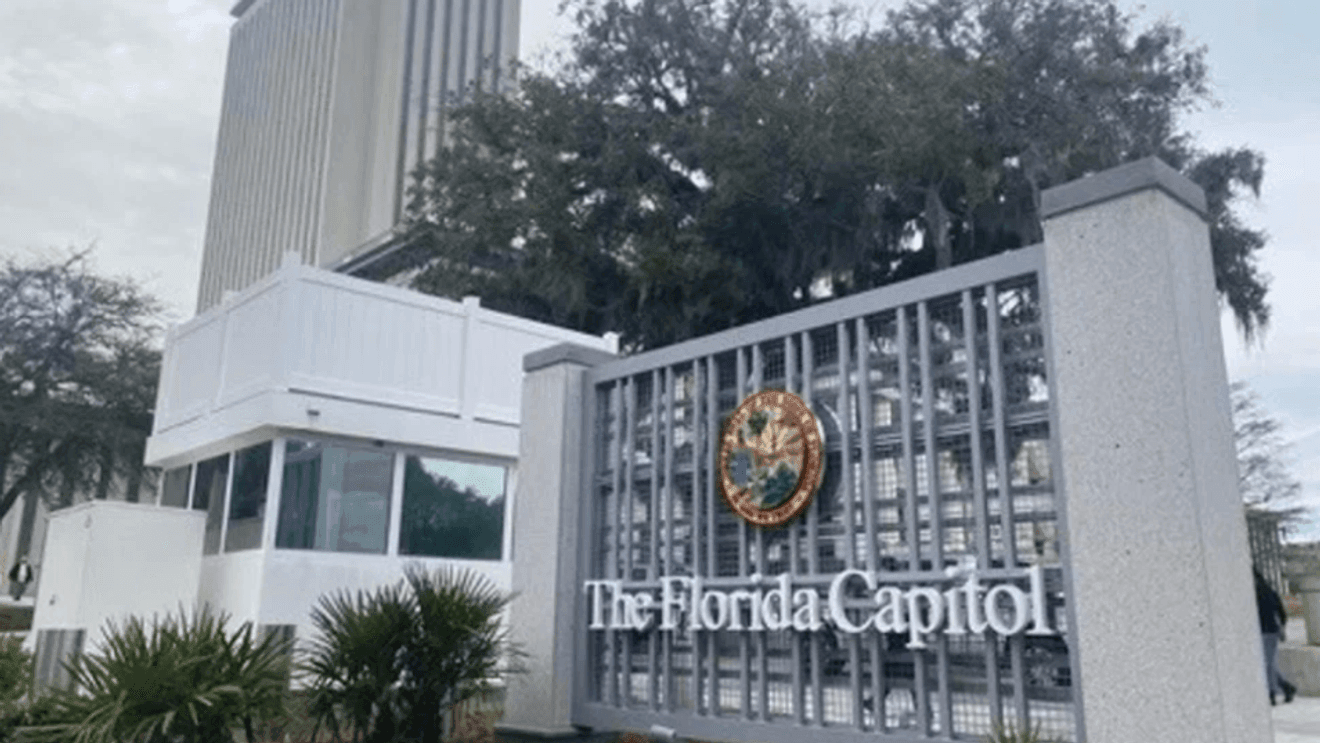
Florida capitol entrance in tallahassee

As Floridians welcome the new year, a sweeping wave of legislation arrives with it. From enhanced healthcare protections to smarter animal welfare laws and improved accountability measures, 2026 launches with policies designed to support consumers, strengthen public safety, and streamline professional compliance statewide.

Originally reported by CBS12 and WEAR‑TV, these updates reflect an active legislative cycle with more than 250 new bills becoming law. Below is a polished breakdown of the most impactful changes — especially valuable for professionals, state employees, and those navigating regulatory requirements in the year ahead.

Breast Exam Coverage for State Employees

Senate Bill 158 removes all cost‑sharing for diagnostic and supplemental breast exams under the state group insurance plan. That means no more out‑of‑pocket fees for critical screenings such as MRIs and ultrasounds — a major step forward in preventive care accessibility.

Pet Insurance Regulation

House Bill 655 officially defines pet insurance as a form of property insurance. The law now requires insurers to follow transparent disclosure rules, avoid misleading marketing, and clearly separate wellness plans from true insurance products. This shift marks a meaningful improvement in consumer clarity and protection.

Refunds for Health Care Overpayments

Under Senate Bill 1808, healthcare providers must refund patients within 30 days after identifying any overpayment. Failure to comply can result in disciplinary action or fines up to $500. This update closes a frustrating gap in billing fairness and promotes stronger consumer advocacy.

Did You Know? Many licensed Florida professionals — including healthcare workers, real estate agents, and insurance specialists — must stay current on new laws as part of their continuing education. If you’re renewing or upgrading your license, Cameron Academy offers flexible, career‑focused online programs for professionals across all 50 states.

Other Key Laws Taking Effect January 1

Several previously approved laws also hit important milestones this month, including:

Dexter’s Law (HB 255): Toughens penalties for aggravated animal cruelty and establishes a public statewide offender database to help shelters and adoption agencies make safer decisions.

Vessel Accountability (HB 164): Strengthens oversight of derelict boats and introduces a free long‑term anchoring permit, improving waterway regulation and coastal safety.

Fertility Preservation Coverage (HB 677): Requires state health plans issued after January 1 to include fertility preservation services for cancer patients — a compassionate and long‑awaited update.

Condo Relief (HB 913): Mandates condominium associations to post meeting minutes and video recordings online within strict new deadlines. This is especially relevant for real estate professionals, property managers, and community association leaders.

Child Welfare (SB 7012): Launches a pilot program for treatment foster care and implements workforce improvements across child services to support better system outcomes.

A State Moving Toward Stronger Protections

Florida’s newest laws reflect a clear focus on consumer rights, healthcare accessibility, and responsible community management. With the state experiencing rapid population and industry growth, staying informed is more important than ever.

To explore every new law and deadline, visit the Florida Legislature’s official website — or read the original coverage at WEAR‑TV:
https://weartv.com/news/local/new-florida-laws-taking-effect-jan-1-animal-cruelty-pet-insurance-health-care-changes


More Articles

Getting licensed or staying ahead in your career can be a journey—but it doesn’t have to be overwhelming. Grab your favorite coffee or tea, take a moment to relax, and browse through our articles. Whether you’re just starting out or renewing your expertise, we’ve got tips, insights, and advice to keep you moving forward. Here’s to your success—one sip and one step at a time!

Mortgage Rates Drop for the Holidays, but Homebuyers Aren’t Budging

The average 30-year mortgage rate slipped to 6.18% just before Christmas, offering a small break from last year’s higher levels. Yet despite the improvement, mortgage applications for purchases and refinances have fallen to a three‑month low as buyers remain cautious. With mixed rate movements, fluctuating Treasury yields, and affordability challenges still weighing on first‑time buyers, the market is showing signs of stability but not momentum. Real estate professionals who stay informed on these shifting conditions will be best positioned to guide clients in 2026.

Premium U.S. CRE Soars as Smaller Markets Slide: A New Two‑Tier Reality Takes Hold

New CoStar data shows a widening split in the U.S. commercial real estate market, with high-value office towers, industrial hubs and major retail assets posting steady gains while smaller properties in secondary markets continue to lose ground. Premium assets logged their sixth straight monthly price increase in November, boosted by falling interest rates and limited new construction, while lower‑tier properties saw continued price declines and weakening demand.

Microsoft’s New Licensing Overhaul Hits Healthcare Budgets: What Leaders Must Prepare For Now

Microsoft has eliminated long‑standing volume discounts on cloud services like Microsoft 365, Power BI, Intune and Defender, meaning healthcare organizations will soon pay the same price per seat whether they purchase 100 or 10,000 licenses. With the change taking effect at renewal, hospitals and health systems must begin auditing unused licenses, right‑sizing staff tiers, and re‑evaluating digital workflows to avoid major cost spikes. CDW is stepping in with advisory support, cost‑optimization tools, and flexible CSP options to help organizations navigate the transition before budgets tighten further.

Where America Is Building the Most Homes in 2026 — And Why It Matters to Your Career

America is still short nearly 2.8 million homes, and in 2026 the states driving the bulk of new construction are once again Florida and Texas. With the South producing more than half of all new building permits nationwide, these regions are shaping the future of inventory, affordability, and opportunity. For real estate, mortgage, insurance, and finance professionals, the surge in Southern homebuilding—especially in Florida—signals expanding career potential as new inventory enters the market and demand for licensed experts continues to rise.

Irondequoit Tops the List as America’s Most Competitive Housing Market

A new Redfin report crowns Irondequoit, New York as the nation’s most competitive housing market, with homes selling in just 8.5 days and often above asking. Priced at a median of $249,132, the lakeside suburb is drawing buyers seeking affordability and speed. The surprising lineup of competing markets—from Bay Area tech hubs to Rust Belt metros—highlights a shifting post‑pandemic housing landscape where affordability pressures and regional disparities continue to shape buyer behavior.

Alaska Tightens TPA Licensing Rules Ahead of 2026: Key Changes Professionals Must Prepare For

Alaska has overhauled its Third Party Administrator licensing rules, eliminating major long‑standing exemptions and pulling many previously exempt organizations into full licensing requirements starting January 1, 2026. Under Senate Bill 132 and Bulletin B 25‑09, TPAs must now review their operations, prepare documentation, and monitor upcoming state guidance as Alaska moves toward stricter oversight and stronger consumer protection.