New Florida Laws Taking Effect January 1: What Professionals Need to Know in 2026
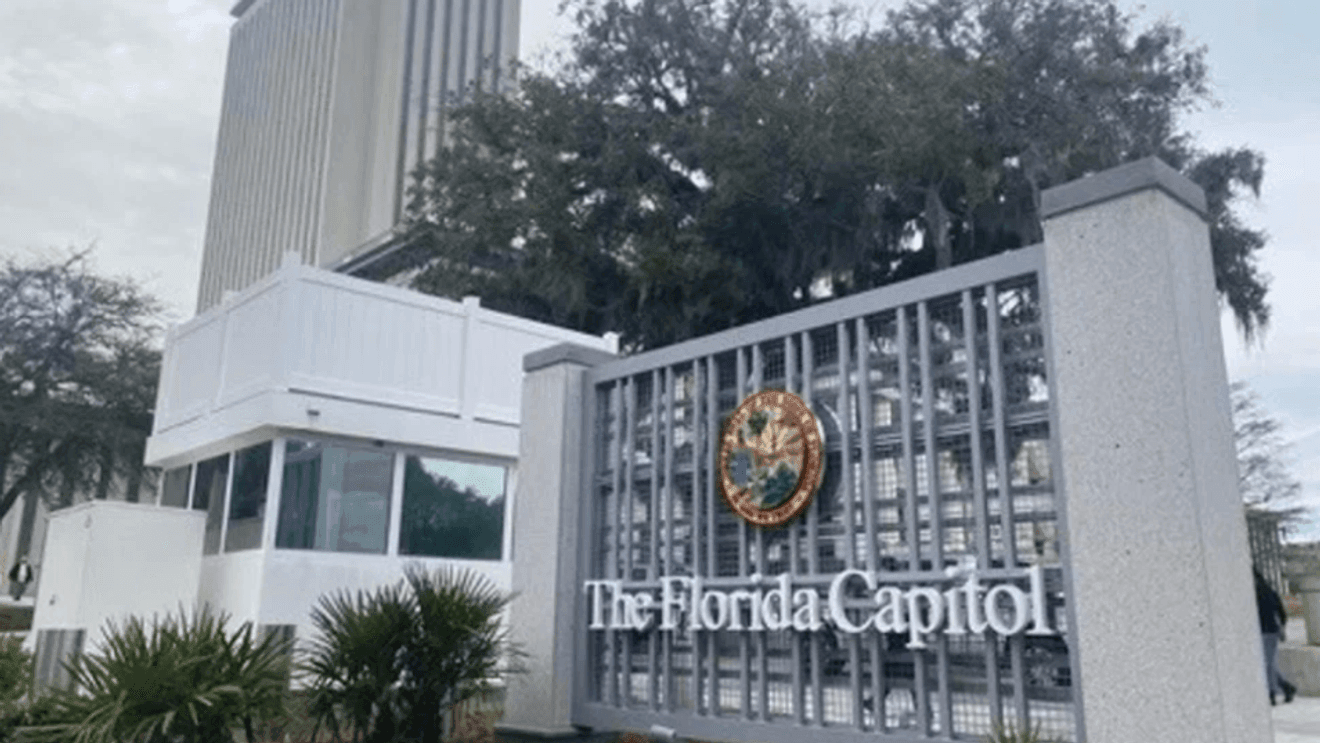
Florida capitol entrance in tallahassee

As Floridians welcome the new year, a sweeping wave of legislation arrives with it. From enhanced healthcare protections to smarter animal welfare laws and improved accountability measures, 2026 launches with policies designed to support consumers, strengthen public safety, and streamline professional compliance statewide.

Originally reported by CBS12 and WEAR‑TV, these updates reflect an active legislative cycle with more than 250 new bills becoming law. Below is a polished breakdown of the most impactful changes — especially valuable for professionals, state employees, and those navigating regulatory requirements in the year ahead.

Breast Exam Coverage for State Employees

Senate Bill 158 removes all cost‑sharing for diagnostic and supplemental breast exams under the state group insurance plan. That means no more out‑of‑pocket fees for critical screenings such as MRIs and ultrasounds — a major step forward in preventive care accessibility.

Pet Insurance Regulation

House Bill 655 officially defines pet insurance as a form of property insurance. The law now requires insurers to follow transparent disclosure rules, avoid misleading marketing, and clearly separate wellness plans from true insurance products. This shift marks a meaningful improvement in consumer clarity and protection.

Refunds for Health Care Overpayments

Under Senate Bill 1808, healthcare providers must refund patients within 30 days after identifying any overpayment. Failure to comply can result in disciplinary action or fines up to $500. This update closes a frustrating gap in billing fairness and promotes stronger consumer advocacy.

Did You Know? Many licensed Florida professionals — including healthcare workers, real estate agents, and insurance specialists — must stay current on new laws as part of their continuing education. If you’re renewing or upgrading your license, Cameron Academy offers flexible, career‑focused online programs for professionals across all 50 states.

Other Key Laws Taking Effect January 1

Several previously approved laws also hit important milestones this month, including:

Dexter’s Law (HB 255): Toughens penalties for aggravated animal cruelty and establishes a public statewide offender database to help shelters and adoption agencies make safer decisions.

Vessel Accountability (HB 164): Strengthens oversight of derelict boats and introduces a free long‑term anchoring permit, improving waterway regulation and coastal safety.

Fertility Preservation Coverage (HB 677): Requires state health plans issued after January 1 to include fertility preservation services for cancer patients — a compassionate and long‑awaited update.

Condo Relief (HB 913): Mandates condominium associations to post meeting minutes and video recordings online within strict new deadlines. This is especially relevant for real estate professionals, property managers, and community association leaders.

Child Welfare (SB 7012): Launches a pilot program for treatment foster care and implements workforce improvements across child services to support better system outcomes.

A State Moving Toward Stronger Protections

Florida’s newest laws reflect a clear focus on consumer rights, healthcare accessibility, and responsible community management. With the state experiencing rapid population and industry growth, staying informed is more important than ever.

To explore every new law and deadline, visit the Florida Legislature’s official website — or read the original coverage at WEAR‑TV:
https://weartv.com/news/local/new-florida-laws-taking-effect-jan-1-animal-cruelty-pet-insurance-health-care-changes

More Articles

Getting licensed or staying ahead in your career can be a journey—but it doesn’t have to be overwhelming. Grab your favorite coffee or tea, take a moment to relax, and browse through our articles. Whether you’re just starting out or renewing your expertise, we’ve got tips, insights, and advice to keep you moving forward. Here’s to your success—one sip and one step at a time!

Florida’s Middle Class Is Being Squeezed Out: Insurance Costs, Rebuilding Struggles, and a Changing Coastline

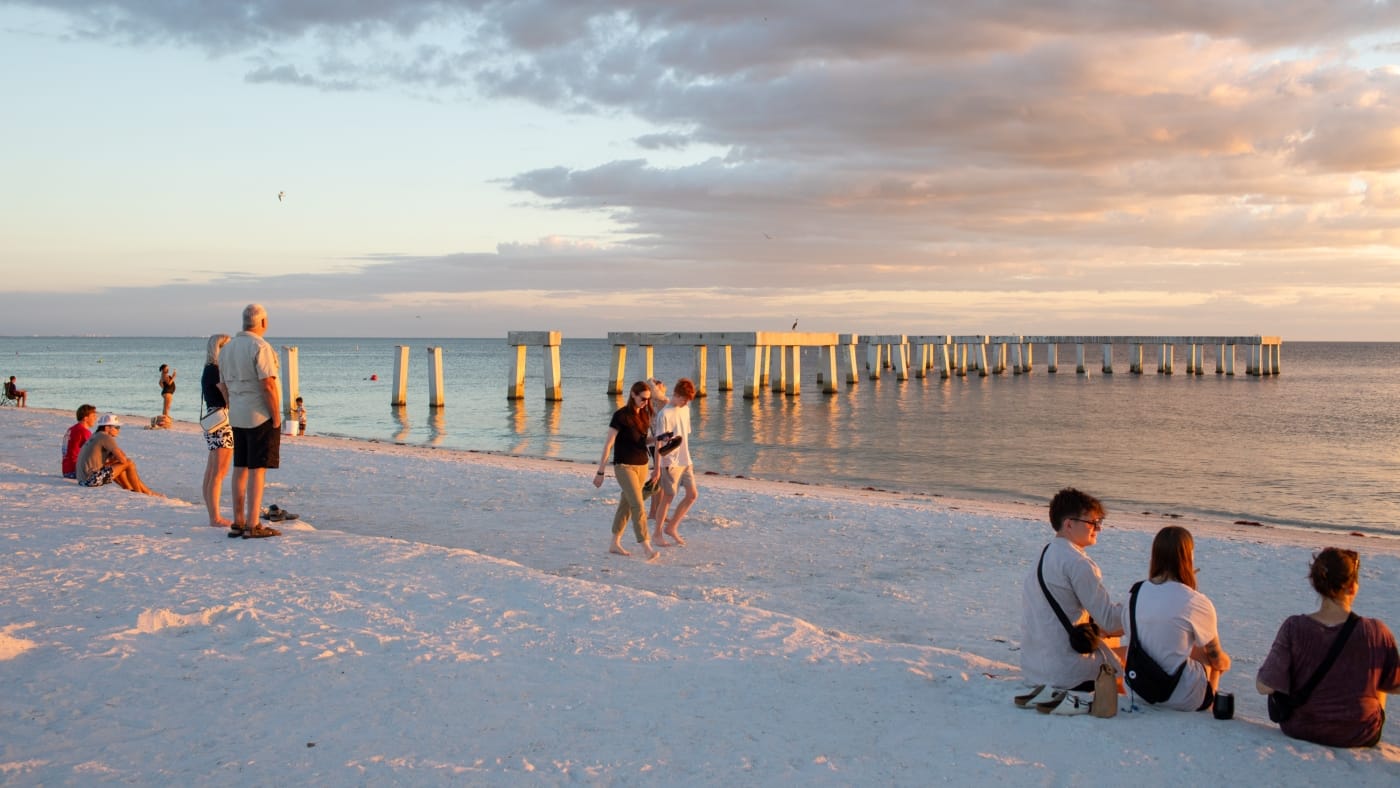
Fort Myers Beach is becoming the front line of a new Florida—one shaped by hurricane devastation, soaring insurance premiums, and rapid gentrification. Three years after Hurricane Ian, residents are still battling massive rebuilding costs and insurance bills that now exceed $5,700 a year on average, with flood insurance reaching $10,000 for some families. Long-time locals, small businesses, and service workers are being priced out as wealthy investors move in, transforming once-affordable coastal communities. Real estate professionals warn that foreclosures may rise if economic pressures continue, signaling a pivotal moment for Florida’s housing market and the professionals who serve it.

Top 2026 Commercial Real Estate Issues Every Professional Should Watch

Economic uncertainty, AI disruption, slowing population growth, and rising portfolio risk are reshaping commercial real estate heading into 2026. A new report unveiled at NAR NXT highlights the forces that will reward informed professionals — and challenge those who aren’t prepared. From fiscal policy and shifting capital flows to tech transformation and housing shortages, the landscape is evolving fast. Cameron Academy breaks down the key issues so real estate, mortgage, finance, and insurance professionals can stay ahead of the curve.

Federal Climate Funding Pulled, Leaving Billions in Real Estate Risk Exposed

A sudden federal shutdown of FEMA’s BRIC resiliency program has left cities and commercial property owners scrambling, exposing billions in real estate to rising climate threats. With nearly a billion dollars in mitigation funding clawed back and extreme weather intensifying, insurance premiums are expected to surge and coverage may shrink — placing new pressure on markets like Florida and New York.

Florida Lawmakers Push Bill to Limit Local Power Over Housing Approvals

A new Florida Senate bill aims to stop cities and counties from blocking residential developments over vague “compatibility” concerns. Supporters say the measure would speed up homebuilding and ease housing shortages, while opponents argue it strips communities of essential oversight and could accelerate growth without proper planning. The proposal could reshape development timelines and land-use decisions statewide, making it a major issue for real estate professionals to watch.

Cape Coral Housing Market Shifts in Favor of Buyers as Homes Linger 119 Days

Cape Coral–Fort Myers has officially moved into buyer-friendly territory, with homes now sitting a median 119 days on the market—far longer than both the Florida and U.S. averages. Rising inventory, a 36.9 percent price‑reduction rate, and slower absorption compared to accumulated supply are giving buyers more leverage and time to negotiate, signaling a meaningful reset in this once‑fast‑moving Florida market.

Kansas City’s Commercial Real Estate Market Finds Its Momentum Again

Kansas City’s commercial real estate sector is finally turning a corner after several years of sluggish activity. Retail is leading the rebound, while multifamily and industrial properties are gaining traction as pricing stabilizes and buyer confidence returns. A standout 2025 transaction—the sale of the 380‑unit Cyan Southcreek community—signals that capital is flowing back into the market. With bid‑ask spreads tightening and investor optimism rising, Kansas City is entering a period of renewed opportunity for real estate professionals and investors alike.