New Florida Laws Taking Effect January 1, 2026: What Professionals Need to Know
As the new year dawns, Florida introduces several impactful laws affecting healthcare, insurance, pet ownership, real estate, education, boating, and more. While many 2025 laws went into effect earlier, January 1 brings a fresh wave of updates every professional should be aware of.
This article is inspired by in-depth reporting from the Tallahassee Democrat, a respected source for Florida legislative news.
Three Major Laws Going Into Effect January 1, 2026
SB 158: Breast Exam Coverage for State Employees
This new law eliminates cost-sharing for diagnostic and supplemental breast exams in the state group insurance program. Employees now have access to MRIs, ultrasounds, and similar diagnostic tools without out-of-pocket costs.
Healthcare professionals and insurers should review billing processes to stay compliant.
HB 655: Regulation of Pet Insurance and Wellness Programs
Florida now officially categorizes pet insurance under property insurance. Companies must follow newly established definitions, avoid deceptive marketing, and clearly disclose terms.
This directly impacts insurance agents, many of whom complete licensing and CE courses through reputable schools such as Cameron Academy.
SB 1808: Refund of Patient Overpayments
Healthcare providers must issue refunds for patient overpayments within 30 days of identifying them or face potential penalties up to $500.
Billing specialists, clinics, and administrators should update internal compliance workflows immediately.
Existing Laws With New January Requirements
Several previously enacted laws carry new obligations beginning January 1. These shifts will affect real estate, marine activities, medical administration, and more.
HB 164: Vessel Accountability
Owners anchoring within one linear nautical mile of a documented location for 14 days or more must obtain a free long-term anchoring permit.
HB 255: Dexter’s Law – Animal Cruelty Database
Florida will launch a public database identifying individuals convicted of animal cruelty, enabling shelters and adoption agencies to screen applicants more accurately.
HB 531: Background Screening Education Portal
A centralized hub for background screening requirements must be launched by the Agency for Health Care Administration.
HB 677: Fertility Preservation Coverage
Any policy for state employees issued from January 1 forward must include fertility preservation coverage for cancer patients.
HB 913: Condominium & Cooperative Association Updates
New posting and documentation requirements are now active for condo associations. These updates also affect Florida real estate professionals—especially those working with HOA-governed communities. For those entering the field, Cameron Academy remains a top choice for staying educated on evolving regulations.
SB 944: Overpayment Claims for Psychologists
Insurers and HMOs now have a tighter 12‑month window to submit psychologist overpayment claims.
SB 954: Certified Recovery Residences
Local governments must finalize streamlined approval processes for recovery residences by January 1.
SB 1080: Local Government Land Regulation
New restrictions on local government impact fee increases take effect—impacting developers, builders, and real estate professionals statewide.
HB 1105: Education Rule Changes
The law strengthens a bell-to-bell wireless device ban for K–8 schools and requires new guidance on alternative education pathways.
SB 1490: Children’s Medical Services Overhaul
The program formally transitions from the Department of Health to the Agency for Health Care Administration.
SB 7012: Child Welfare Enhancements
Florida must launch a treatment foster care pilot program and expand data collection on child exploitation cases.
Studies and Reports Due in January
HB 1359: Pawn Database Feasibility Study
The Florida Department of Law Enforcement must review whether implementing a statewide pawn transaction database is feasible.
SB 1470: School Safety Recommendations
A statewide workgroup will deliver recommendations on creating a Florida Institute of School Safety.
SB 2514: Nursing Home Care Study
A third‑party vendor must evaluate national incentive programs, care technology, and Medicaid structures, with findings due January 5.
What This Means for Florida Professionals
Whether you work in real estate, healthcare, insurance, education, or public services, these laws shape the professional environment you operate in. Staying informed isn’t optional—it’s essential for maintaining excellence.
Cameron Academy proudly supports professionals across all 50 states, offering modern, compliant, and career-advancing licensing education. As laws evolve, staying educated ensures you stay ahead.
More Articles
Getting licensed or staying ahead in your career can be a journey—but it doesn’t have to be overwhelming. Grab your favorite coffee or tea, take a moment to relax, and browse through our articles. Whether you’re just starting out or renewing your expertise, we’ve got tips, insights, and advice to keep you moving forward. Here’s to your success—one sip and one step at a time!
Redfin forecasts a slow but meaningful return to normalcy in the U.S. housing market starting in 2026. Instead of a crash or a rapid correction, the year marks the beginning of a “Great Housing Reset” where affordability gradually improves, mortgage rates ease into the low‑6% range, home sales tick upward, and renters, buyers, and professionals finally feel less market pressure. From wage growth outpacing home prices to rising refi activity and the rise of AI‑powered real estate tools, 2026 is shaping up to be a foundational year for real estate careers and long‑term market stability.
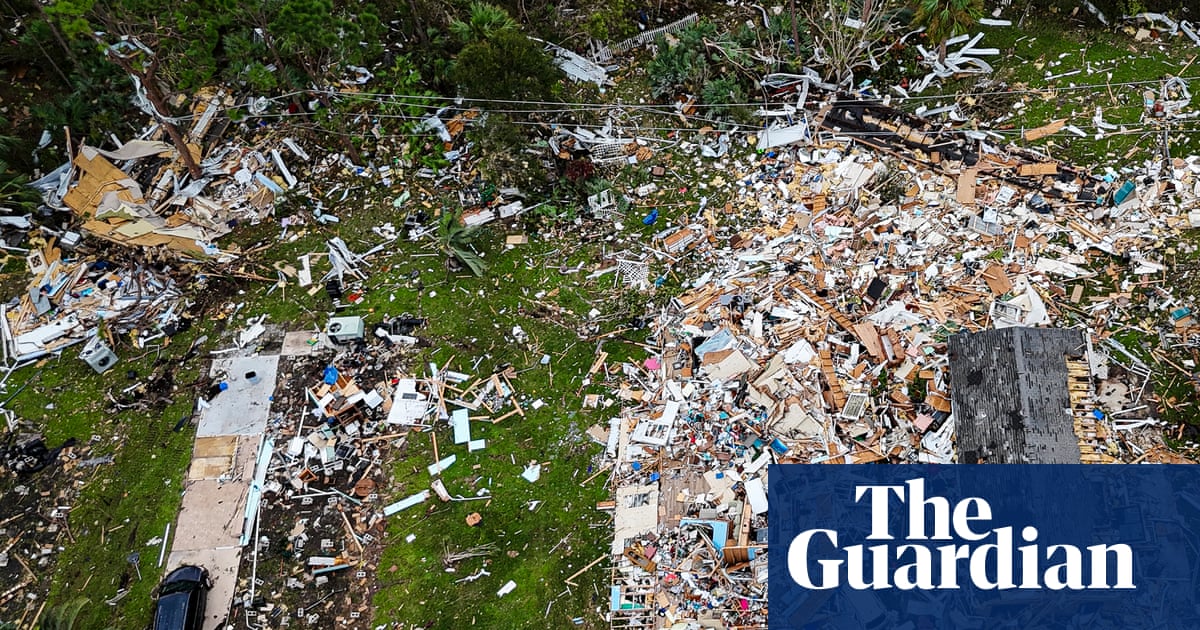
Hurricane Melissa’s destruction in Jamaica highlights a growing global reality: climate risks are accelerating faster than insurance adoption. With more than 90% of disaster losses in developing regions going uninsured and a worldwide protection gap exceeding $1.8 trillion annually, experts warn that traditional insurance systems can no longer keep up. New models—like parametric payouts, community‑based aggregation and bundled climate tools—are emerging, but governments and corporations must step in to prevent financial shocks from destabilizing entire economies.
Gravis Robotics, a Zurich-based startup, just raised $23 million to bring autonomous tech to construction sites facing a massive operator shortage. As demand surges for renewable energy projects, data centers, and new housing, Gravis retrofits traditional heavy machinery with AI-driven systems that can work autonomously or via remote guidance. With trials already underway across seven countries, the company is pushing a future where humans and robots collaborate — speeding up development timelines and reshaping industries from construction to real estate.
Zillow has quietly removed its climate‑risk scores after months of pressure from agents, homeowners, and listing services who said the warnings were scaring off buyers. The move has sparked a national debate: Is this a win for real estate sales or a setback for consumer transparency? Critics warn that without clear climate‑risk data, families could be “flying blind” into costly surprises like insurance spikes and flood damage. As climate impacts intensify and disclosure expectations rise, real estate professionals must stay informed—because whether Zillow shows the data or not, the risks aren’t going anywhere.
Florida’s property insurance crisis is becoming the defining issue heading into the 2026 election season. Republicans argue that recent reforms are finally stabilizing the market, pointing to reduced litigation and cooling reinsurance costs. Democrats counter that families are still facing unbearable premiums, with condo prices dropping over 8% and Floridians paying some of the highest insurance rates in the nation. As lawmakers prepare to return to Tallahassee, the future of insurance reform is set to become the central political fight—one that will directly impact homeowners, investors, and real estate professionals across the state.
Connectivity has become one of the most powerful differentiators in today’s real estate market. As smart buildings, automation, and sustainability demands accelerate, fiber networks are replacing outdated copper systems and reshaping property value. With lower energy use, unified smart‑building capabilities, reduced long‑term costs, and stronger tenant satisfaction, digital infrastructure is now central to investment strategy. Real estate professionals who understand this shift gain a competitive edge as the industry moves toward cleaner, smarter, more connected buildings.