New Florida Laws Taking Effect January 1: What Professionals Need to Know in 2026
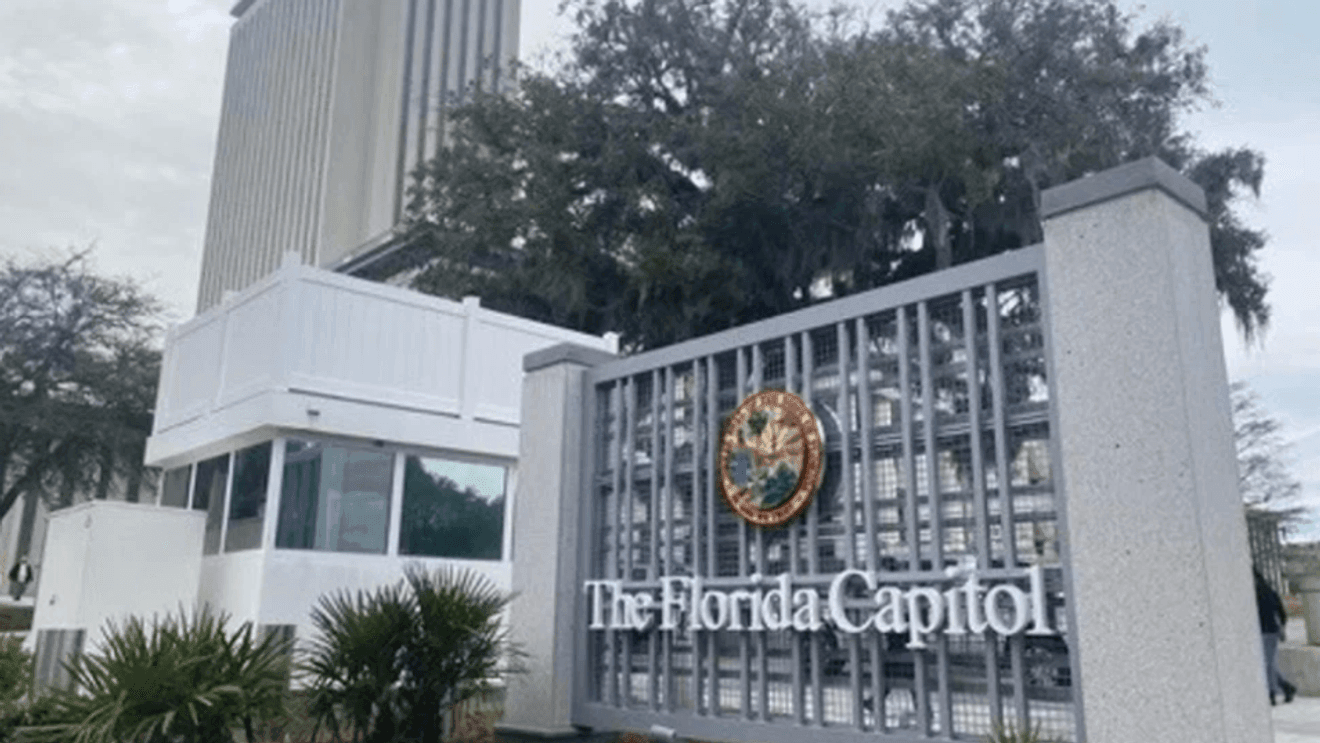
Florida enters 2026 with a powerful slate of new laws—spanning health care, insurance, consumer protection, and public safety.
After a packed legislative year where more than 250 bills reached the governor’s desk, professionals across the state now face new standards that will shape the year ahead.
From state employees and insurance agents to real estate professionals and medical providers, these updates matter.
Breast Exam Coverage for State Employees
Senate Bill 158 eliminates all cost‑sharing—including deductibles and copays—for diagnostic and supplemental breast examinations under the state group insurance program.
Advanced imaging like MRIs and ultrasounds are now fully covered, making preventive care more accessible and reducing long‑term health risks for thousands of Florida families.
New Consumer Protections for Pet Insurance
House Bill 655 officially classifies pet insurance as property insurance, requiring standardized disclosures, renewal rules, and stronger consumer safeguards.
The law also targets deceptive marketing practices—especially those that confuse wellness plans with true coverage.
This is a significant update for insurance professionals statewide navigating compliance in 2026.
Faster Refunds for Health Care Overpayments
Senate Bill 1808 requires health care providers to issue refunds for overpayments within 30 days of discovery.
Licensed facilities that miss this deadline may face fines of up to $500 per violation, boosting consumer confidence and industry transparency.
Additional Laws Taking Effect January 1
Dexter’s Law (HB 255)
Strengthens penalties for aggravated animal cruelty and introduces a statewide offender database to help shelters and adoption centers vet potential pet owners.
Vessel Accountability (HB 164)
Expands oversight of derelict vessels and launches a free long‑term anchoring permit program—an important development for Florida’s boating community and marine service professionals.
Fertility Preservation Coverage (HB 677)
New state health insurance plans must cover fertility preservation for cancer patients. This removes a major financial barrier during already‑challenging medical treatment.
Condo Relief and Transparency (HB 913)
Condominium associations now face stricter deadlines for posting meeting minutes and video recordings online.
Real estate professionals—especially those working with condo buyers, sellers, and boards—should remain alert to these new transparency requirements.
Child Welfare Enhancements (SB 7012)
Establishes a treatment foster care pilot program and strengthens support services for the child welfare workforce.
These changes aim to boost long‑term stability and improve outcomes for Florida’s most vulnerable youth.
Florida’s 2026 legal updates highlight the state’s evolving priorities—consumer protection, transparent governance, patient access, and public safety.
For professionals striving to stay ahead, maintaining current knowledge is essential.
If you’re building or expanding your career in real estate, insurance, or other licensed fields,
Cameron Academy offers flexible, modern training designed to keep you aligned with Florida’s rapidly changing landscape.
Getting licensed or staying ahead in your career can be a journey—but it doesn’t have to be overwhelming. Grab your favorite coffee or tea, take a moment to relax, and browse through our articles. Whether you’re just starting out or renewing your expertise, we’ve got tips, insights, and advice to keep you moving forward. Here’s to your success—one sip and one step at a time!
At the 2025 Florida Chamber Insurance Summit, Insurance Commissioner Mike Yaworsky announced that Florida’s long‑volatile insurance market has at last regained stability. After a decade marked by runaway litigation, inflated claims, and insurer exits, the sweeping tort and insurance reforms passed in 2022 and 2023 have reversed the decline. Litigation has fallen to pre‑2019 levels, new carriers and reinsurers are entering the state, and consumers now have more options than they’ve seen in years. Yaworsky cautioned, however, that rolling back these reforms would undo the progress and impose massive costs on Floridians.
Driving with an expired license is illegal in nearly every state, and in 2025 the consequences are more serious than most people realize. From fines and potential jail time to denied insurance claims and professional repercussions, even a simple lapse can create a ripple effect—especially for licensed professionals in real estate, insurance, mortgage, and finance. This quick morning read breaks down the real penalties, why professionals should pay attention, and how to renew your license before it becomes a costly mistake.
A new wave of chat‑based AI tools is reshaping how quickly real estate professionals can prepare and enhance listing photos. By simply describing changes—like brightening a kitchen, removing clutter, or fully staging a room—agents and property managers can produce high‑impact images in minutes. This technology not only speeds up market readiness but also boosts renter and buyer engagement by presenting spaces at their full potential from the very first glance.
The rental market is gearing up for major shifts in 2026, from rising compliance demands and surging insurance costs to the rapid adoption of AI‑powered property management tools. Tenants’ expectations are evolving just as quickly, pushing owners to deliver lifestyle‑driven communities rather than simple lease agreements. Investors and operators who embrace technology, stay ahead of regulatory changes and prioritize renter experience will be best positioned to thrive in the coming year.
Artificial intelligence is transforming real estate at lightning speed, turning days of manual work into minutes of automated insight. With the AI real estate market projected to soar from $222.65B in 2024 to over $975B by 2029, professionals who understand this technology now will lead the industry tomorrow. From smarter valuations to automated workflows and predictive analytics, AI is redefining how agents, investors, and property managers operate—making today the perfect time to embrace the tools shaping the future of real estate.
As AI takes over the repetitive tasks that slow agents down, industry expert Matt Britton says the future of real estate belongs to professionals who combine intelligent automation with irreplaceable human trust. Speaking to thousands at NAR NXT 2025, Britton emphasized that the next wave of success will come from agents who embrace AI workflows while doubling down on what technology can’t replicate: empathy, creativity, and meaningful client relationships.