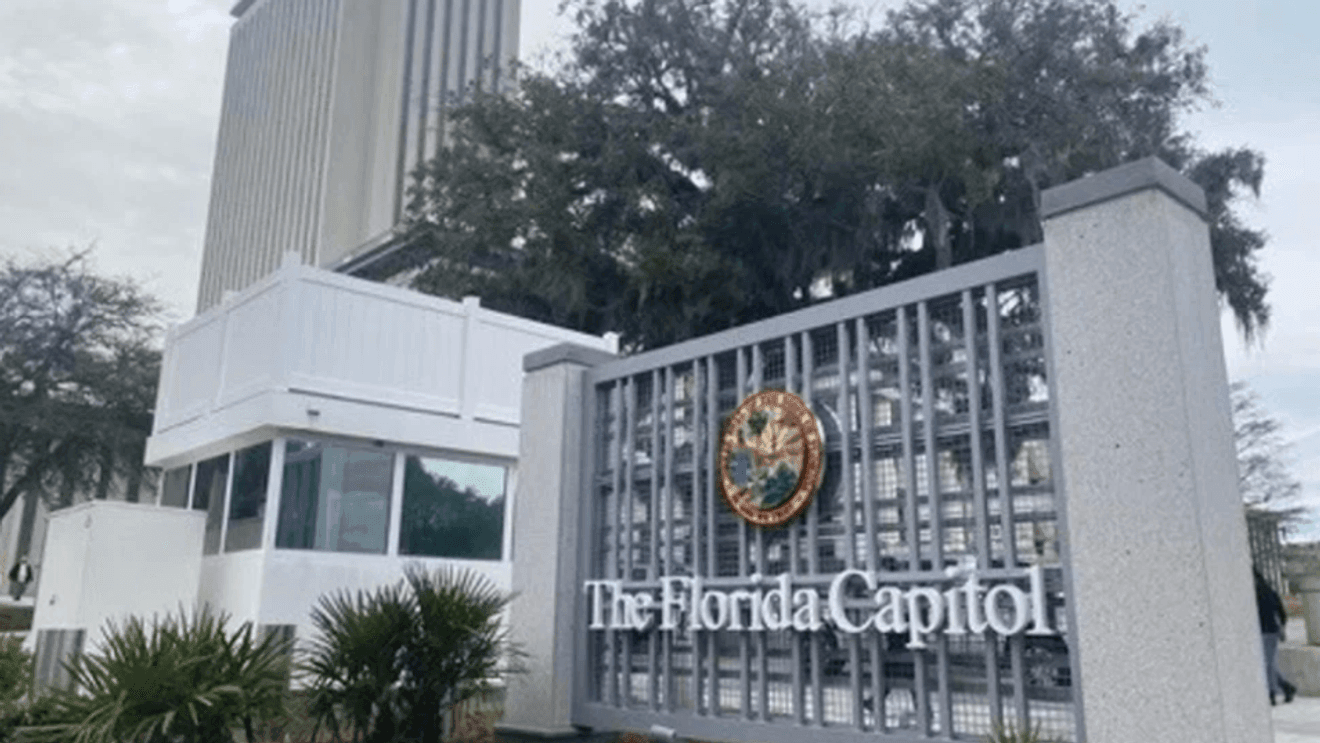
New Florida Laws Taking Effect January 1: What Professionals Need to Know in 2026
Florida enters 2026 with a powerful slate of new laws—spanning health care, insurance, consumer protection, and public safety.
After a packed legislative year where more than 250 bills reached the governor’s desk, professionals across the state now face new standards that will shape the year ahead.
From state employees and insurance agents to real estate professionals and medical providers, these updates matter.
Breast Exam Coverage for State Employees
Senate Bill 158 eliminates all cost‑sharing—including deductibles and copays—for diagnostic and supplemental breast examinations under the state group insurance program.
Advanced imaging like MRIs and ultrasounds are now fully covered, making preventive care more accessible and reducing long‑term health risks for thousands of Florida families.
New Consumer Protections for Pet Insurance
House Bill 655 officially classifies pet insurance as property insurance, requiring standardized disclosures, renewal rules, and stronger consumer safeguards.
The law also targets deceptive marketing practices—especially those that confuse wellness plans with true coverage.
This is a significant update for insurance professionals statewide navigating compliance in 2026.
Faster Refunds for Health Care Overpayments
Senate Bill 1808 requires health care providers to issue refunds for overpayments within 30 days of discovery.
Licensed facilities that miss this deadline may face fines of up to $500 per violation, boosting consumer confidence and industry transparency.
Additional Laws Taking Effect January 1
Dexter’s Law (HB 255)
Strengthens penalties for aggravated animal cruelty and introduces a statewide offender database to help shelters and adoption centers vet potential pet owners.
Vessel Accountability (HB 164)
Expands oversight of derelict vessels and launches a free long‑term anchoring permit program—an important development for Florida’s boating community and marine service professionals.
Fertility Preservation Coverage (HB 677)
New state health insurance plans must cover fertility preservation for cancer patients. This removes a major financial barrier during already‑challenging medical treatment.
Condo Relief and Transparency (HB 913)
Condominium associations now face stricter deadlines for posting meeting minutes and video recordings online.
Real estate professionals—especially those working with condo buyers, sellers, and boards—should remain alert to these new transparency requirements.
Child Welfare Enhancements (SB 7012)
Establishes a treatment foster care pilot program and strengthens support services for the child welfare workforce.
These changes aim to boost long‑term stability and improve outcomes for Florida’s most vulnerable youth.
Florida’s 2026 legal updates highlight the state’s evolving priorities—consumer protection, transparent governance, patient access, and public safety.
For professionals striving to stay ahead, maintaining current knowledge is essential.
If you’re building or expanding your career in real estate, insurance, or other licensed fields,
Cameron Academy offers flexible, modern training designed to keep you aligned with Florida’s rapidly changing landscape.
Getting licensed or staying ahead in your career can be a journey—but it doesn’t have to be overwhelming. Grab your favorite coffee or tea, take a moment to relax, and browse through our articles. Whether you’re just starting out or renewing your expertise, we’ve got tips, insights, and advice to keep you moving forward. Here’s to your success—one sip and one step at a time!
New data from the U.S. Bureau of Labor Statistics reveals major pay gaps across industries as we head into 2025. While top roles in finance, tech, and healthcare exceed $130,000 to $160,000 a year, other professions lag far behind—even when education levels are similar. Job titles, location, experience, and specialized skills are now some of the biggest factors shaping how much you earn. If you’ve been wondering whether your paycheck is keeping up with the market, this breakdown shows exactly where you stand and what it takes to boost your earning power.
A cooling housing market is giving buyers something they haven’t had in years: room to breathe. With slower sales, more inventory, and less pressure to make snap decisions, homebuyer regret has noticeably declined in 2025. Buyers are feeling more confident thanks to fewer bidding wars, reduced overpaying, and stronger financial preparation—though maintenance surprises still pose challenges. This shift toward a true buyer’s market offers real estate professionals a prime opportunity to guide clients with clarity and confidence.
This week’s commercial real estate roundup unpacks the lingering economic fallout from the 43‑day federal shutdown, new pressures on major office markets, and the rise of STEM‑driven cities reshaping demand nationwide. With fresh Q3 data from Altus showing stronger‑than‑expected transaction momentum, plus updates on Chicago’s valuation slide and national mortgage policy debates, this edition delivers the essential trends CRE, mortgage, finance, and appraisal professionals need to stay ahead.
ATTOM has been named Inman’s 2025 Best of Proptech winner, earning top recognition for its leadership in data and intelligence platforms. With advancements like Snowflake integration, ATTOM Nexus, and enhanced parcel‑centric analytics, the company is shaping the future of AI‑driven real estate decision‑making. This win highlights ATTOM’s growing role as a trusted data backbone for real estate, mortgage, insurance, and investment professionals nationwide.
A new report reveals that Florida’s property insurance market is far from recovering. Despite political claims of stabilization, homeowners are seeing premiums up 54% since 2019, widespread insurer instability, and some companies re‑entering the market under rebranded identities. With high rates of unpaid claims, delayed payouts, and policy non‑renewals, lawmakers are now pushing for transparency and oversight. For homeowners and industry professionals alike, understanding these risks is critical as Florida’s insurance challenges continue to deepen.
Despite new insurers entering the state and lawmakers touting market improvements, a new report reveals Florida’s property insurance system is still plagued by high premiums, weak oversight, and companies with troubled histories. Rates have climbed 54% since 2019, nearly one‑fifth of homeowners are now uninsured, and Florida leads the nation in unpaid and delayed claims. Critics warn that the state’s strategy of shifting risk to undercapitalized private companies may set the stage for another crisis — leaving homeowners, buyers, and real estate professionals navigating a market that’s far from stable.