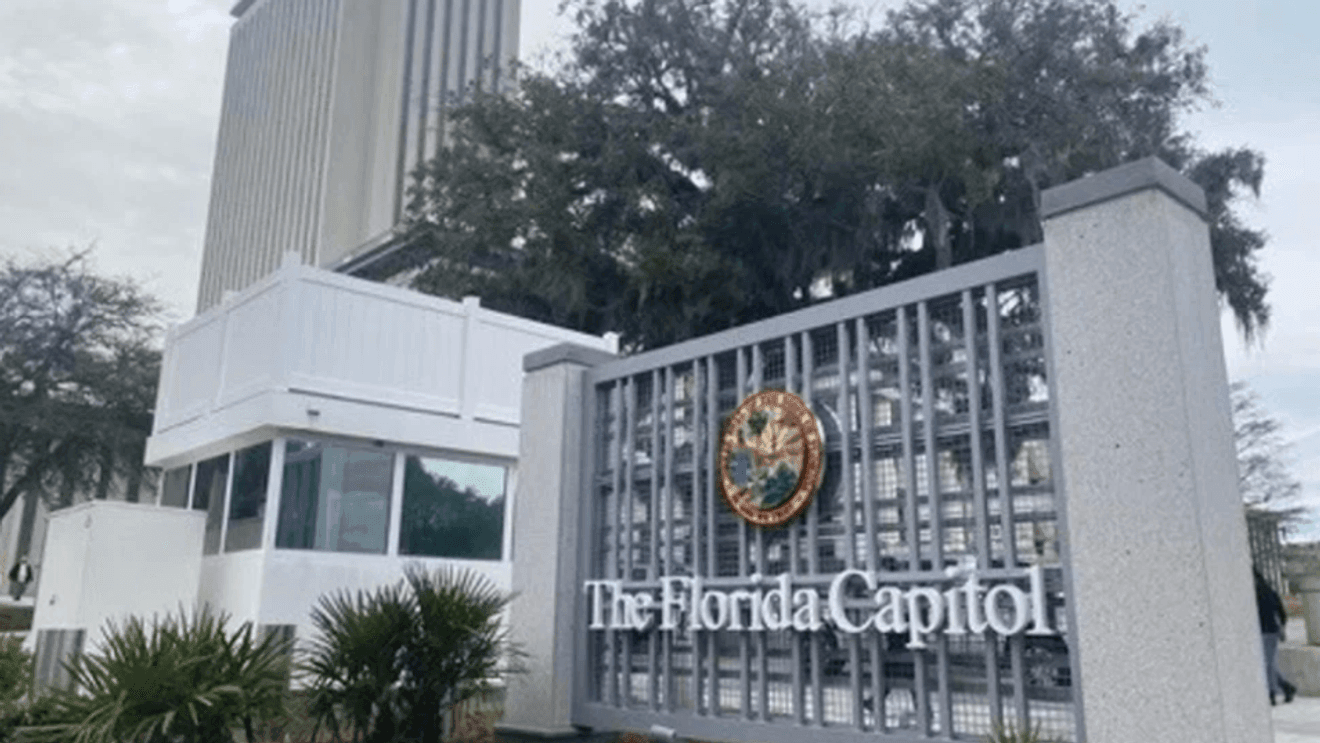
New Florida Laws Taking Effect January 1: What Professionals Need to Know in 2026
Florida enters 2026 with a powerful slate of new laws—spanning health care, insurance, consumer protection, and public safety.
After a packed legislative year where more than 250 bills reached the governor’s desk, professionals across the state now face new standards that will shape the year ahead.
From state employees and insurance agents to real estate professionals and medical providers, these updates matter.
Breast Exam Coverage for State Employees
Senate Bill 158 eliminates all cost‑sharing—including deductibles and copays—for diagnostic and supplemental breast examinations under the state group insurance program.
Advanced imaging like MRIs and ultrasounds are now fully covered, making preventive care more accessible and reducing long‑term health risks for thousands of Florida families.
New Consumer Protections for Pet Insurance
House Bill 655 officially classifies pet insurance as property insurance, requiring standardized disclosures, renewal rules, and stronger consumer safeguards.
The law also targets deceptive marketing practices—especially those that confuse wellness plans with true coverage.
This is a significant update for insurance professionals statewide navigating compliance in 2026.
Faster Refunds for Health Care Overpayments
Senate Bill 1808 requires health care providers to issue refunds for overpayments within 30 days of discovery.
Licensed facilities that miss this deadline may face fines of up to $500 per violation, boosting consumer confidence and industry transparency.
Additional Laws Taking Effect January 1
Dexter’s Law (HB 255)
Strengthens penalties for aggravated animal cruelty and introduces a statewide offender database to help shelters and adoption centers vet potential pet owners.
Vessel Accountability (HB 164)
Expands oversight of derelict vessels and launches a free long‑term anchoring permit program—an important development for Florida’s boating community and marine service professionals.
Fertility Preservation Coverage (HB 677)
New state health insurance plans must cover fertility preservation for cancer patients. This removes a major financial barrier during already‑challenging medical treatment.
Condo Relief and Transparency (HB 913)
Condominium associations now face stricter deadlines for posting meeting minutes and video recordings online.
Real estate professionals—especially those working with condo buyers, sellers, and boards—should remain alert to these new transparency requirements.
Child Welfare Enhancements (SB 7012)
Establishes a treatment foster care pilot program and strengthens support services for the child welfare workforce.
These changes aim to boost long‑term stability and improve outcomes for Florida’s most vulnerable youth.
Florida’s 2026 legal updates highlight the state’s evolving priorities—consumer protection, transparent governance, patient access, and public safety.
For professionals striving to stay ahead, maintaining current knowledge is essential.
If you’re building or expanding your career in real estate, insurance, or other licensed fields,
Cameron Academy offers flexible, modern training designed to keep you aligned with Florida’s rapidly changing landscape.
Getting licensed or staying ahead in your career can be a journey—but it doesn’t have to be overwhelming. Grab your favorite coffee or tea, take a moment to relax, and browse through our articles. Whether you’re just starting out or renewing your expertise, we’ve got tips, insights, and advice to keep you moving forward. Here’s to your success—one sip and one step at a time!
A Leon County judge has ordered Florida’s administrative courts to restart arbitration on more than 400 stalled Citizens Insurance cases, reigniting a legal showdown over whether the state’s insurer of last resort can force policyholders out of traditional courtrooms. The ruling directly conflicts with a separate Hillsborough County injunction that called Citizens’ arbitration system “likely unconstitutional,” setting up a rare judicial clash that could reshape how Floridians fight denied or underpaid property claims.
Inhabit has launched a powerful new suite of AI‑driven tools designed to modernize leasing, strengthen fraud prevention, and simplify compliance for property managers nationwide. From advanced leasing assistants and NYC‑specific regulatory AI to instant income verification and upcoming identity‑screening tech, these innovations aim to solve some of the industry’s toughest challenges. Real estate professionals—especially in multifamily—can expect faster operations, stronger safeguards, and a more efficient workflow as these technologies roll out.
A growing body of demographic research suggests that today’s housing shortage may give way to a future surplus as millions of Baby Boomer–owned homes return to the market over the next two decades. With affordability at historic lows and inventory still tight, this long‑term shift could eventually cool prices and transform the landscape for real estate professionals. The analysis draws parallels to aging populations abroad and highlights why understanding demographic cycles is becoming essential knowledge for agents, brokers, and mortgage professionals preparing for the next era of the housing market.
Griffin Funding has appointed John Jones as Senior Vice President of Growth and EOS Integrator, a move aimed at accelerating the lender’s push toward $3 billion in annual non‑QM loan volume by 2030. Jones, previously the company’s fractional integrator and COO, will lead expansion strategies, operational optimization, and leadership development as the lender strengthens its position in the increasingly competitive non‑QM market.
A new report shows Tampa outperforming the national real estate slowdown with a 6.5 percent annualized multifamily return, nearly 20 percent higher than the U.S. average. While many metros face oversupply or regulatory drag, Tampa’s balanced development pipeline, strong population growth, and investor confidence continue to fuel resilient performance heading into 2026.
A new Colliers outlook reveals that global capital is picking up momentum again, with investors shifting toward more active, hands‑on strategies. Data centers are surging, offices are rebounding, and value‑add plays like adaptive reuse are defining the next wave of opportunity. Regional markets—from the U.S. to APAC—are seeing renewed demand as fundraising spreads across continents and investors seek speed, control, and scale. This snapshot helps today’s real estate and finance professionals stay aligned with where global money is moving next.