Commercial Real Estate in 2026: Why New Jersey Is Quietly Becoming a Power Player
If you’re watching the commercial real estate world heading into 2026, one thing is clear: all eyes are on New Jersey. Jersey City and North Jersey have skyrocketed into the national spotlight, landing among the top investment markets in the new Emerging Trends in Real Estate report from PwC and the Urban Land Institute. Surprised? You shouldn’t be.
With redevelopment momentum, soaring demand for data centers, and an energetic lineup of mixed-use transformations, New Jersey is positioning itself as one of the most influential CRE markets in the nation. Still, rising construction costs, municipal fatigue, and tariff uncertainty continue shaping the narrative.
New Jersey Surges Into the Top 10 CRE Markets
In the 2026 rankings, Jersey City surged an impressive 17 spots to secure the No. 2 position nationally, while North Jersey climbed to No. 7. PwC analysts call Jersey City a “fast-growing commercial hub” thanks to its unbeatable proximity to New York City and its far more affordable business ecosystem.
From 2022 to 2025, the FIRE sector—finance, insurance and real estate—accounted for 63% of all leasing activity in the city. With talent, infrastructure and cost advantages, Jersey City is becoming a magnet for developers, startups and global firms alike.
For rising and seasoned professionals, this growth signals opportunity—especially for those seeking new licenses or expanding credentials through schools like Cameron Academy, which supports professionals aiming to build sustainable, future-ready careers.
The Headwinds: Costs, Tariffs and Municipal Fatigue
Despite the excitement, developers face clear challenges. Attorneys Donald Pepe and Joe DeMarco of Scarinci Hollenbeck highlight increasing construction expenses, stalled projects and stiffer financing conditions. Many municipalities, after years of pressure to solve housing shortages, are showing signs of development fatigue.
While larger developers can often absorb these delays, the climate is far more daunting for those managing 5- to 12-unit projects.
Data Centers: Booming Demand, Limited Supply
If there’s a star in 2026, it’s data centers. Nationwide, vacancy rates hover below 2%, with most new facilities fully pre-leased before breaking ground. But in New Jersey, limited land and utility concerns are slowing expansion.
Yet major players push forward. CoreSite’s new Secaucus facility adds 138,000 square feet of digital infrastructure—proof of the region’s unmatched connectivity value.
Retail Reimagined: The Rise of Mixed-Use Centers
One of the most dynamic transformations is happening in former retail corridors. Places like Flemington, Voorhees, Eatontown and Paramus are seeing aging retail centers reborn as vibrant mixed-use micro-communities.
Developers are responding to a simple truth, as DeMarco puts it: “Everyone wants a center of town.”
Health Care Is Becoming the New Industrial
New Jersey health systems are rapidly building modern ambulatory and outpatient facilities. Hackensack Meridian Health alone has multiple wellness centers emerging across the region.
Medical projects have become one of the easiest development types to finance and approve—earning their reputation as “the new warehouse.”
The Affordable Housing Squeeze
From zoning deadlines to state mandates, affordable housing requirements are shaping development more than ever. With municipalities needing updated zoning by early spring, planning boards will be overwhelmed—leaving less bandwidth for other commercial projects.
Developers must plan early, as design itself is often dictated by required unit distribution.
AI in Commercial Real Estate: A Sharp, Useful Tool
Artificial intelligence is increasingly used for contract review, document analysis and deal prep. But experts warn against overreliance—especially for younger professionals still building foundational skills.
AI accelerates due diligence, but does not replace human expertise. Instead, it’s a fast, powerful support tool.
Bright Spots and Long-Term Optimism
Despite hurdles, New Jersey’s location between New York and Philadelphia remains unmatched. Strong schools, skilled talent and thriving communities create long-term appeal.
Developers remain energized. As Pepe notes, “Hurdles are there to be jumped over.”
For professionals exploring careers in commercial real estate, development, mortgage, insurance or any license-driven field, market awareness is essential. And for those seeking to grow their credentials, Cameron Academy continues to offer modern, flexible and accessible education nationwide.
To explore the full insights and original analysis, visit NJBIZ and PwC’s Emerging Trends in Real Estate 2026 report.
More Articles
Getting licensed or staying ahead in your career can be a journey—but it doesn’t have to be overwhelming. Grab your favorite coffee or tea, take a moment to relax, and browse through our articles. Whether you’re just starting out or renewing your expertise, we’ve got tips, insights, and advice to keep you moving forward. Here’s to your success—one sip and one step at a time!
November marked another cooldown for commercial real estate, with total deal volume dropping 10% year over year and falling below even 2020’s levels. While overall activity is slowing, investors are concentrating their money on bigger, more resilient assets—driving a 51% surge in deals over $100 million and pushing average transaction sizes well above historical norms. Multifamily remains the strongest sector, office deals are becoming more strategically focused, and medical office and data centers continue to outperform as long‑term demand stays solid.
After years of stalled activity, commercial real estate may finally be nearing a rebound. Experts say that expected interest‑rate drops in 2026 could reignite investor confidence, unlock sidelined capital, and boost deal flow across multiple sectors. But the outlook isn’t uniformly sunny—multifamily faces oversupply, industrial is cooling after years of rapid growth, and weakening employment conditions may slow absorption. For professionals across real estate, mortgage, insurance, and finance, the shifting landscape presents both challenges and major opportunities for those who stay informed and properly licensed.
Consumer Reports delivered a major warning to Congress, highlighting how rapidly expanding fintech tools—especially AI‑driven platforms—are outpacing consumer protections. In testimony before the House Subcommittee on Digital Assets, Financial Technology and AI, CR called for stronger, clearer rules to prevent hidden fees, predatory practices, and confusion within digital financial products. For professionals in real estate, mortgages, insurance, and finance, these emerging regulations may soon influence lending decisions, underwriting, credit evaluations, and compliance expectations across the industry.
Amazon is preparing to cut up to 30,000 corporate jobs by mid‑2026 as it pivots aggressively toward automation and AI. Following 14,000 layoffs in late 2025, the company is eliminating layers of management to redirect billions into robotics, generative AI systems, and supercomputing partnerships. While warehouse hiring continues for seasonal demand, Amazon’s internal shift reveals a broader nationwide trend: white‑collar roles across tech, finance, logistics, and more are being reshaped by automation at unprecedented speed.
Florida’s real estate market enters 2026 with new leadership at the helm as Chuck Bonfiglio, broker-owner of AAA Realty Group, is officially installed as President of Florida Realtors. With more than 230,000 members behind the association, Bonfiglio highlights affordability, insurance reform, and taxes as key priorities while expressing optimism about easing mortgage rates, stabilizing prices, and growing inventory. Backed by years of statewide and national Realtor leadership, he aims to guide professionals through another transformative year alongside a newly appointed 2026 leadership team.
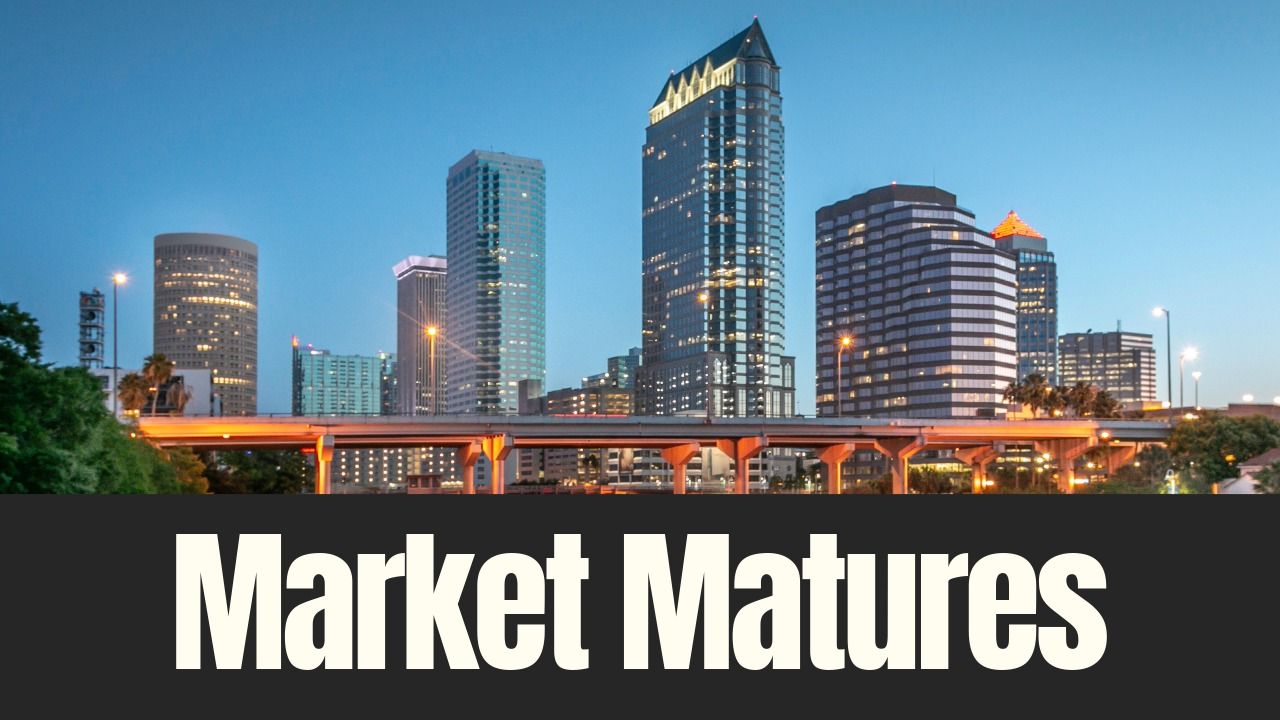
Tampa isn’t cooling off—it’s getting smarter. After years of rapid expansion, the city’s commercial real estate market has shifted into a more disciplined, selective phase. Population growth remains strong, office leasing is outperforming national trends, industrial activity is normalizing sustainably, and retail is seeing renewed investor confidence. With capital becoming more cautious and health care real estate emerging as a major growth sector, Tampa is entering a new era focused on strategy, execution, and long‑term fundamentals.