New Orleans Triennial Positions the City as a Model for a Precarious, Adaptive Future
In the heart of New Orleans, a city renowned for its resilience and cultural vibrancy, the sixth edition of Prospect New Orleans unfolds as a powerful narrative of survival and adaptability. Co-curated by Miranda Lash and Ebony G. Patterson, this contemporary-art triennial reimagines New Orleans not as a city in need of rescue, but as a beacon of strength and foresight in the face of natural and social adversities.
The triennial’s theme, encapsulated in the title The Future Is Present, The Harbinger Is Home, challenges cities like New York and Los Angeles to learn from New Orleans’ model of sustainability. This artistic celebration positions New Orleans as a city already living in the future, where climate catastrophes and historical reckonings are not just anticipated but embraced as part of everyday life.
“This framework postulates New Orleans as already living in the future,” said Patterson during the exhibition’s opening. Lash added, “We want to show New Orleans as a gift and as a scout.” The exhibition, featuring 51 artists across 21 venues, highlights how contemporary art can serve as an engine of coping, rather than mere recovery.
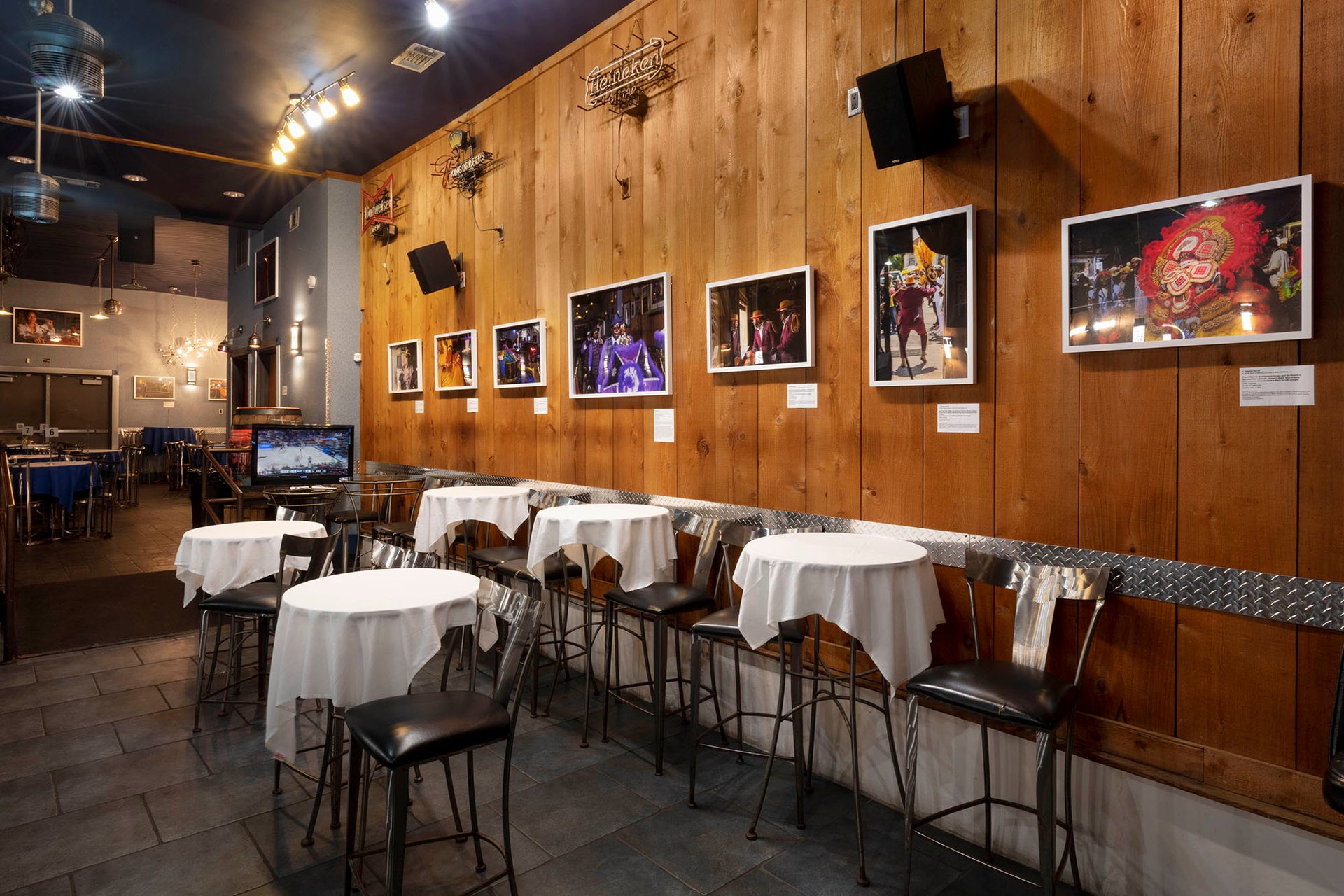
Several artists explore themes of adaptability and endurance through archival and documentary projects. L. Kasimu Harris, a New Orleans-based artist, documents the city’s Black-owned bars in his series Vanishing Black Bars & Lounges, capturing the essence of a community facing gentrification.
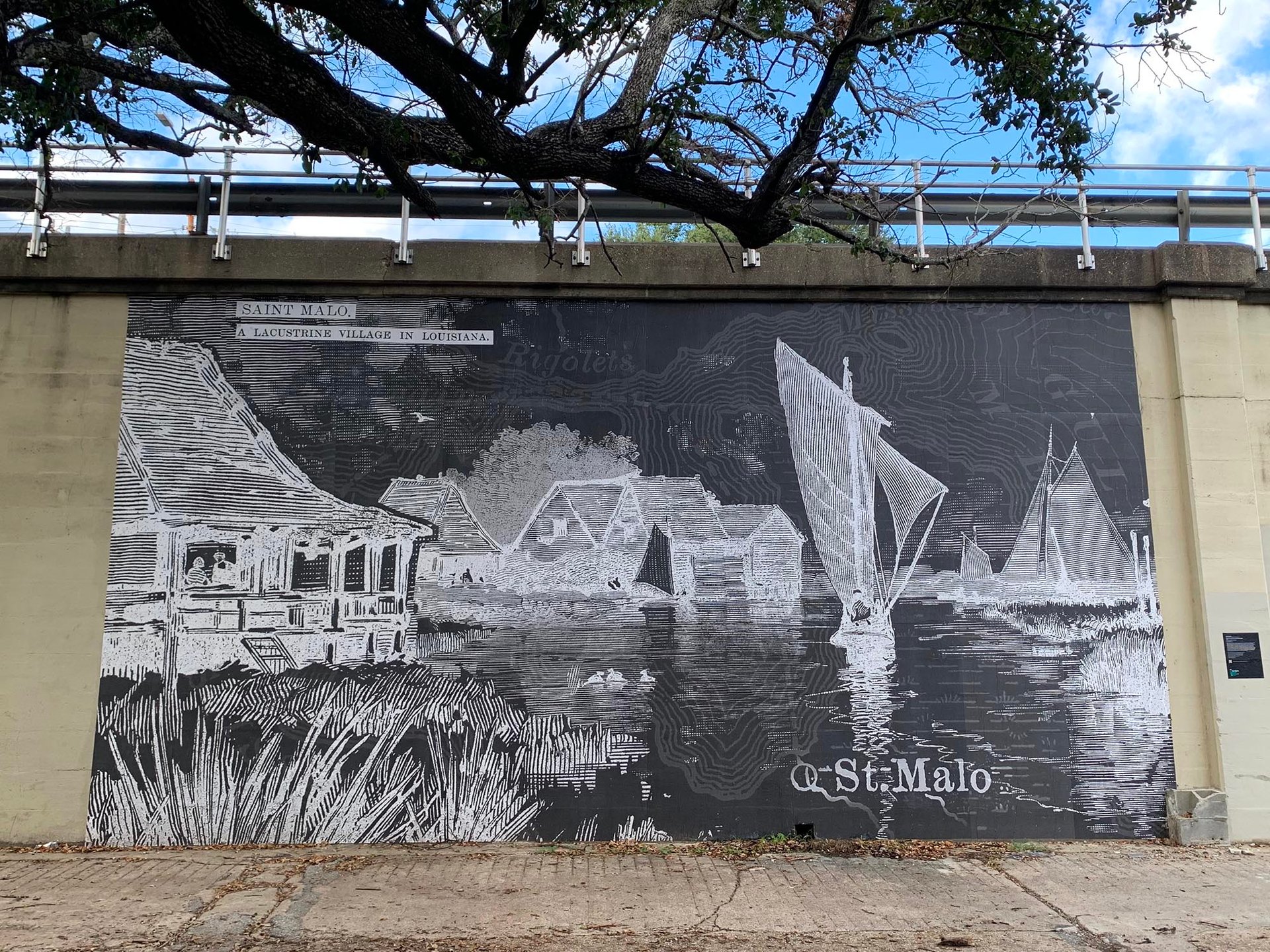
Stephanie Syjuco’s mural, Phantom Visions (The Lacustrine Village of St. Malo), draws on historical imagery to preserve the legacy of St Malo, Louisiana, the first permanent Filipino settlement in the US.
The exhibition also highlights Tuan Mami’s Seeding the Future, a collaborative project with New Orleans’ Vietnamese community, emphasizing community building through the act of planting seeds.
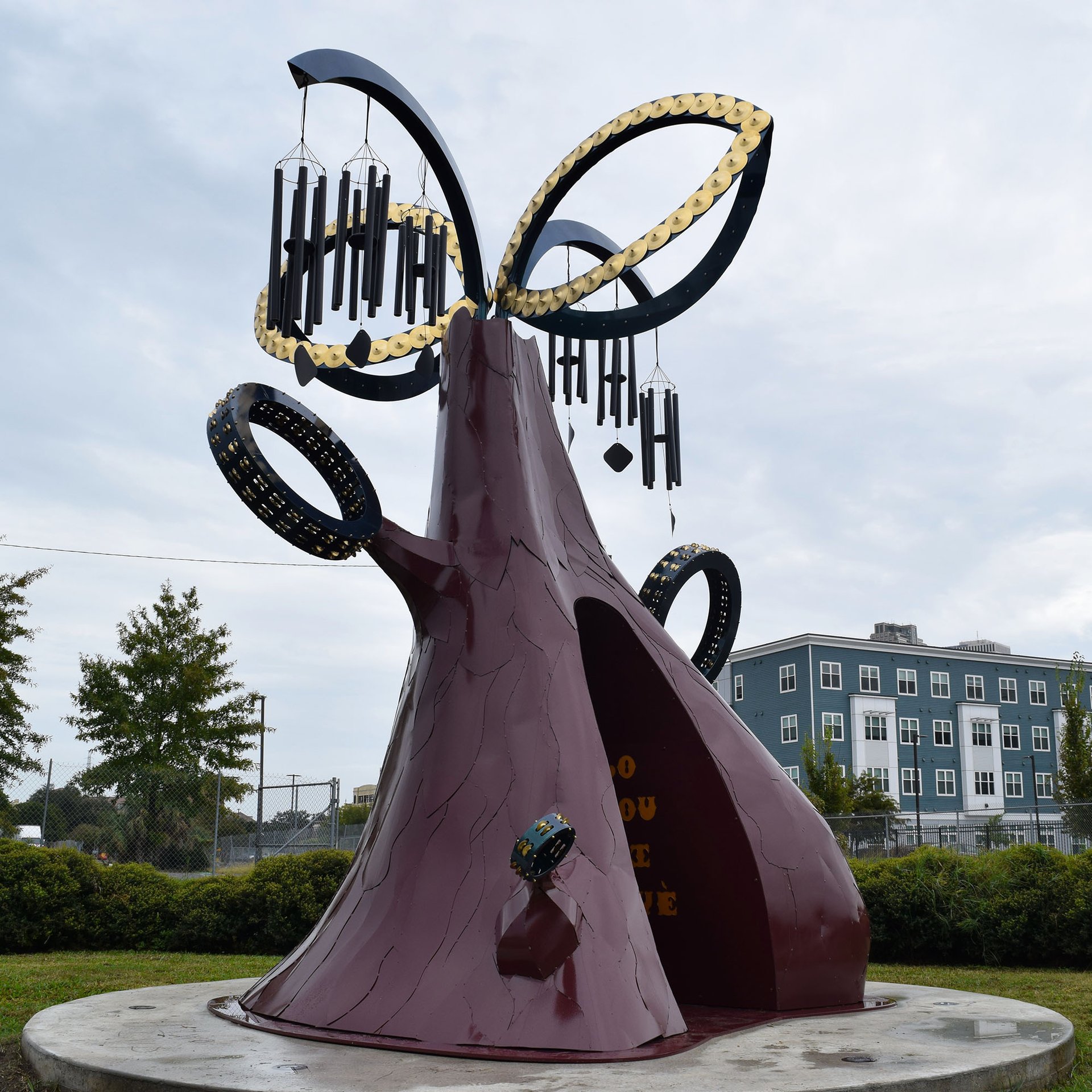
In a striking transformation, Raúl de Nieves reclaims a former Confederate monument as a tribute to New Orleans’ queer and Latinx communities, while Ashley Teamer’s Tambourine Cypress serves as a beacon for community connection.
The triennial’s exploration of imagined futures continues at the Ford Motor Plant, where artists Zalika Azim, rafa esparza, and Dewey Tafoya blend futuristic and ancient iconographies in their collaborative work.
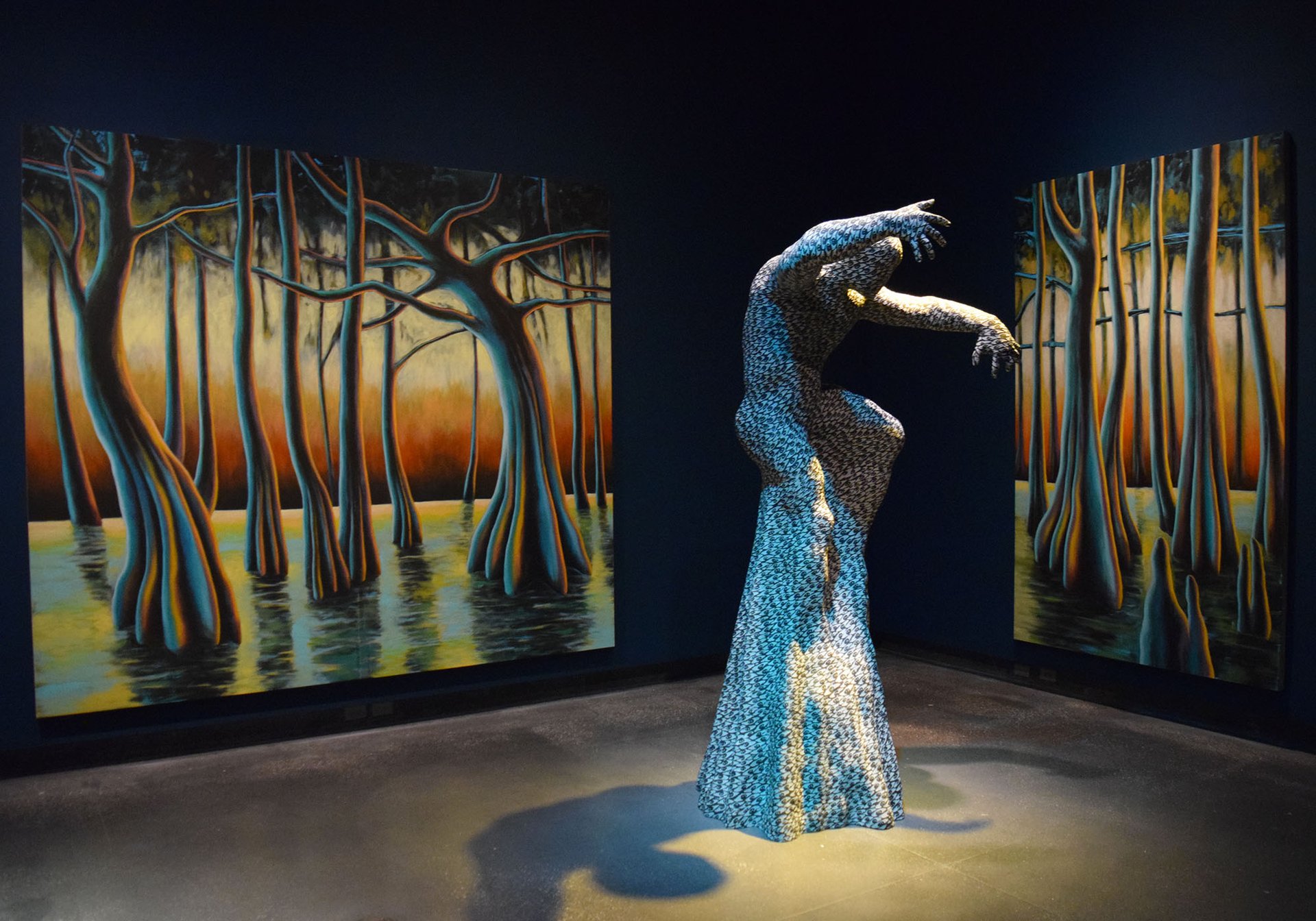
Didier William’s installation Gesture to Home at the Historic New Orleans Collection connects the artist’s Haitian roots with Louisiana’s history, using the region’s cypress trees as symbols of resilience.
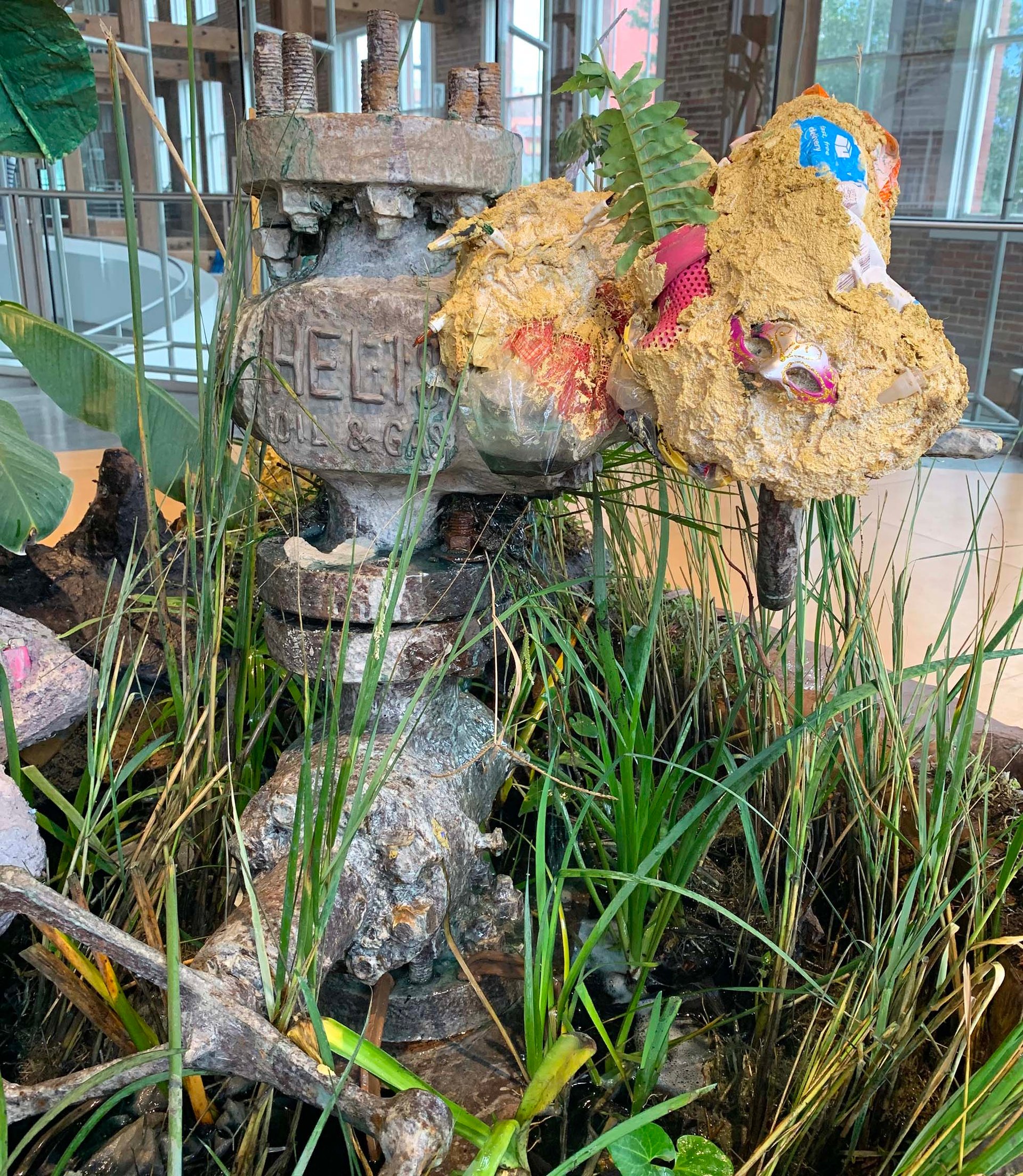
At the Contemporary Arts Center, Hannah Chalew’s Orphan Well Gamma Garden transforms Louisiana’s oil infrastructure into a commentary on environmental impact and cultural entrenchment.
From capturing community memories to envisioning possible futures, The Future Is Present, The Harbinger Is Home offers a compelling vision of resilience and adaptability, with New Orleans at its heart, leading the way forward.
Getting licensed or staying ahead in your career can be a journey—but it doesn’t have to be overwhelming. Grab your favorite coffee or tea, take a moment to relax, and browse through our articles. Whether you’re just starting out or renewing your expertise, we’ve got tips, insights, and advice to keep you moving forward. Here’s to your success—one sip and one step at a time!
A fast‑growing Israeli startup called Agora is reshaping how real estate investment firms operate by replacing outdated spreadsheets and scattered emails with a seamless digital platform. Built by former military intelligence technologists, Agora centralizes investor onboarding, reporting, financial tracking and communication—giving firms a modern backbone for managing complex portfolios. As proptech adoption accelerates worldwide, understanding tools like Agora is becoming essential knowledge for new and seasoned real estate professionals alike.
Canada remains one of the fastest and most accessible places to launch a real estate career, with no university degree required and most provinces offering licensing timelines under a year. This guide breaks down every major step—eligibility, education, exams, brokerage registration, and income expectations—while comparing requirements across Ontario, BC, Alberta, and Quebec. It also highlights what truly separates successful agents from those who leave the profession: consistent prospecting, strong preparation, and long-term discipline.
The 2026 housing market is starting off with colder-than-usual activity but warmer opportunities for buyers. Mortgage rates have dipped nearly a full percentage point from last year, inventory is slowly increasing, and competition is easing just enough to give buyers more leverage. While prices are still rising, the pace has cooled, and motivated sellers are becoming more flexible. Whether you're planning to buy or preparing clients as a real estate professional, the key message remains the same: the right time to purchase depends far more on your financial readiness than on headline noise.
More landlords than ever are turning to LLCs to protect their assets, streamline operations, and unlock tax advantages. An LLC can separate your personal finances from your rental business, provide liability protection, and offer valuable tax benefits. This article breaks down what LLCs do for landlords, how they affect taxes, the benefits they bring, and the best practices for setting one up in 2025—giving real estate professionals and investors a clear, practical guide for making the right decision.
Florida lawmakers have approved Sen. Joe Gruters proposal to push more commercial properties from Citizens Property Insurance into the private market. The bill tightens eligibility rules, expands the clearinghouse process, and could shift about 25 billion dollars in risk to private carriers. Supporters say the change reduces taxpayer exposure after major storms, while opponents worry about relying more on the less-regulated surplus lines market. The measure now heads to Gov. Ron DeSantis for final approval.
Wire fraud has evolved into a major danger for Florida real estate transactions, with criminals hijacking email accounts, impersonating buyers and sellers, and creating fake title company websites. First‑time buyers are especially vulnerable, and losses often occur right before closing when emotions are high. Experts warn that nearly all wire fraud can be prevented with proper verification, secure communication, and professional training—making education a critical defense for today’s real estate professionals.