New Reforms, Familiar Risks: Why Florida’s Home Insurance Market Still Isn’t Stabilizing
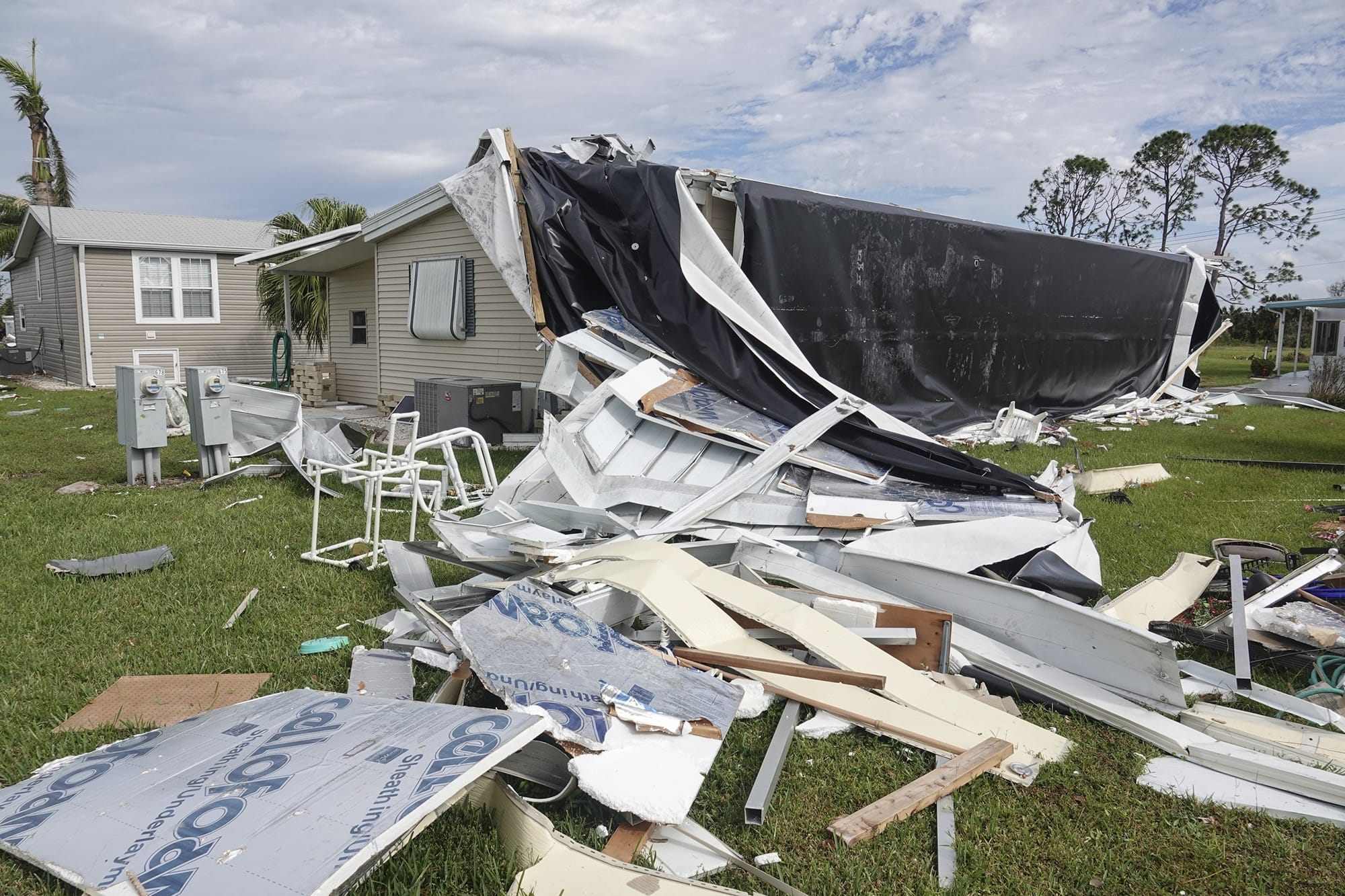
Florida’s home insurance market is once again in the national spotlight—this time due to a new analysis indicating that the Sunshine State’s latest reforms may be echoing the same systemic missteps made more than 30 years ago.
A deeply reported piece from The American Prospect outlines how political maneuvering, insurer reshuffling, and questionable financial oversight have left homeowners paying more while receiving less protection.
This isn’t the first time Florida has attempted to overhaul its insurance landscape. After Hurricane Andrew devastated the state in 1992, lawmakers rushed to attract new insurers, resulting in a wave of lightly capitalized companies that ultimately struggled—or outright collapsed—when major storms struck.
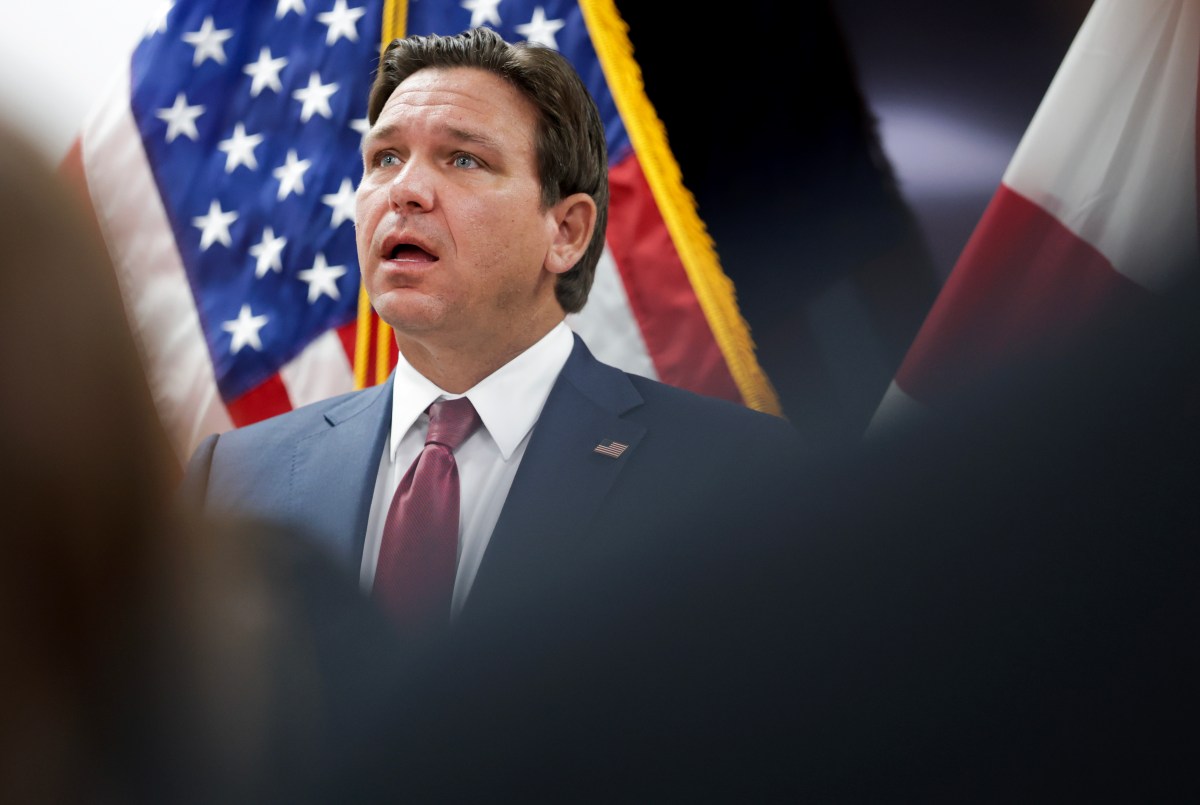
Fast-forward to Gov. Ron DeSantis’s 2022 reforms, hailed by some as an industry-friendly reboot, and history appears to be repeating itself.
“The market‑friendly reforms passed after Hurricane Ian have failed to stabilize the state’s insurance market.”
The centerpiece of Florida’s current strategy is the depopulation of Citizens Property Insurance Corporation, the state’s insurer of last resort. Since early 2023, more than 355,000 policies have been transitioned from Citizens to private insurers—many of which carry significant financial baggage.
According to the Insurance Fairness Project, several companies now absorbing Citizens policies are tied to firms that previously collapsed. Viceroy Preferred Insurance, for example, shares board members with Monarch National Insurance Company, which was fined $325,000 for mishandling claims. Monarch itself descended from FedNat Insurance—yet another insurer that failed after Hurricane Ian.
A Ratings System Under Scrutiny
A major piece of the puzzle is Demotech, a privately owned ratings agency whose letter grades are crucial for Fannie Mae and Freddie Mac mortgage qualifications. While Demotech remains influential, critics argue that its ratings may be too generous and too intertwined with insurers’ financial relationships.
Recent analyses suggest that companies rated by Demotech were 30 times more likely to become insolvent compared to those rated by larger firms. Between 2017 and 2025, 17 companies collapsed within one year of receiving an “A” grade.
In contrast, Weiss Ratings—known for refusing insurer payments—found that 14 Florida insurance companies closed more than half their homeowners’ claims without issuing a payment in 2024.
Money, Power, and Political Connections
The Prospect article highlights how executive compensation and political ties shape Florida’s insurance landscape. Slide Insurance, for example, praised by Demotech but rated far lower by independent analysts, paid its top executives tens of millions and owns a featured waterfront estate showcased in
Tampa Magazine. They also contributed over $26,000 to PACs supporting Gov. DeSantis and former CFO Jimmy Patronis.
Critics argue that this cozy alignment creates a system in which consumers shoulder risk while insurers benefit from flexible oversight and generous incentives.
The Call for True Reform
Experts referenced in the report claim Florida’s regulatory structure is too fragmented—disaster planning, building codes, land use policy, and insurance oversight all function independently. They recommend a more integrated system that can genuinely stabilize the market long-term.
The Insurance Fairness Project concludes that Florida must move beyond “cosmetic fixes” and establish more transparent ratings, enforce accountability, and offer stronger consumer protections before the next major storm arrives.
As Martin Weiss stated: “We effectively have to build the market from scratch.”
What This Means for Florida Real Estate Professionals
For real estate agents, mortgage brokers, insurance professionals, and anyone working in Florida’s property market, these trends underscore a clear truth: insurance volatility isn’t just industry news—it affects home values, financing, buyer confidence, and market stability.
This is why education is essential. At Cameron Academy, we believe every real estate or insurance professional should stay up‑to‑date on Florida’s evolving insurance landscape. The more informed you are, the better you can protect your clients and your career.
If you’re pursuing licensing, continuing education, or expanding into new professional sectors, understanding shifts in insurance regulation and policy is a crucial step. The market may be unpredictable—but your expertise doesn’t have to be.