New Tenant Protections Take Hold in Minnesota

In a significant move to enhance tenant rights, Minnesota has enacted new legislation effective 2025, aimed at providing renters with improved protections and opportunities to organize. As reported by Northern News Now, these changes impact the state’s 624,425 renting households, which represent about 28% of Minnesota’s population as of 2023.
Empowering Tenants
The new tenant laws empower renters to create associations, which can significantly influence living conditions, amenities, and community culture. Importantly, landlords are now prohibited from retaliating against tenants who are part of such organizations. This includes actions like unjust rent increases, reduced services, and altered agreements.
Addressing Rental Discrepancies
The legislation also addresses scenarios where renters encounter unexpected discrepancies upon moving in, such as unfinished units or changed move-in dates. In these cases, landlords are obligated to offer solutions, which could range from alternative accommodations and financial settlements to the termination of the lease.

Balancing Tenant-Landlord Dynamics

Rachael Sterling, a Housing Attorney and Communications Coordinator with the non-profit organization Homeline, emphasized the importance of these laws in leveling the field between tenants and landlords. She highlighted the necessity of tenant advocacy, as demonstrated by the volume of inquiries Homeline receives – about 20,000 calls annually concerning tenant-landlord issues.
Sterling noted that while landlords might resist policies perceived as restrictive, these changes fundamentally allow tenants to effectively voice and address problems within their homes.
For continuous updates, Northern News Now offers news and weather updates through their mobile applications, available for free download.


More Articles

Getting licensed or staying ahead in your career can be a journey—but it doesn’t have to be overwhelming. Grab your favorite coffee or tea, take a moment to relax, and browse through our articles. Whether you’re just starting out or renewing your expertise, we’ve got tips, insights, and advice to keep you moving forward. Here’s to your success—one sip and one step at a time!

New Regulations and Extended Seasons: What Michigan Hunters Need to Know for 2025

Michigan hunters are set to experience significant changes in the upcoming deer hunting season as new regulations are announced by the Michigan Department of Natural Resources (DNR). These changes, effective August 1, are aimed at refining hunting practices and ensuring sustainable wildlife management.

By |July 22, 2025|Categories: Article, Hunting, Regulations|Tags: , |0 Comments

Countdown to Wisconsin’s Real ID Deadline: What You Need to Know

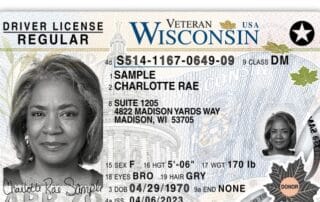
Beginning on May 7, 2025, anyone aged 18 and older will need a Real ID-compliant driver's license or another TSA-approved identification to board domestic flights or access certain federal facilities. The Real ID, identifiable by a star in the upper right corner of Wisconsin IDs, is a more secure version of a driver's license.

By |July 22, 2025|Categories: Article, Identification/Regulations, Travel|Tags: , |0 Comments

Top Real Estate Schools in Washington, D.C. for 2025 Unveiled

As the vibrant housing market in Washington, D.C. continues to flourish, aspiring real estate agents are eager to make their mark. But with a myriad of educational options, selecting the right real estate school can be daunting.

The Vital Role of Certified Financial Planners in Modern Finance

In today's complex financial landscape, the role of a Certified Financial Planner (CFP) has become increasingly crucial for individuals seeking sound financial advice.

Empowering Young Minds: The NYT 2024-25 Student Contest Calendar

In an era where the voices of the younger generation are more crucial than ever, The New York Times has unveiled its much-anticipated 2024-25 Student Contest Calendar.

A New Standard: Measuring AI’s Untold Capacities

In the rapidly evolving world of artificial intelligence, researchers are facing a new challenge: developing tests that A.I. systems cannot easily pass... This trend raises a chilling question: Are A.I. systems becoming too advanced for us to measure effectively?