In the bustling metropolis of New York City, the commercial real estate sector is teetering on the brink of a crisis reminiscent of the 1970s. Professor Stijn Van Nieuwerburgh, a Columbia Business School expert famously dubbed the “prophet of urban doom” by The New York Times, has issued a stark warning: the city may be entering the dreaded “doom loop.” This term, rooted in economic theory, describes a self-perpetuating cycle of decline that could ensnare the city if no substantial changes occur.
Office Vacancies and Economic Impact
The rise of remote work, accelerated by the COVID-19 pandemic, has left a significant mark on urban office spaces. In New York City, office vacancies have soared to unprecedented levels, with nearly 20% of spaces sitting empty. This vacancy rate not only hemorrhages potential revenue but also shrinks the city’s tax base, a concern echoed in Colliers’ report.
Van Nieuwerburgh warns that the repercussions of these vacancies could extend far beyond real estate. The anticipated decline in tax revenue may force the government to cut spending on essential services such as transportation, education, and sanitation, making urban living less attractive and potentially driving residents to relocate to states with more favorable tax environments. Changing Office Space Preferences
As companies adapt to new work paradigms, the demand for office spaces has shifted. Businesses are now seeking smaller, modern offices equipped with amenities to entice employees back to in-person work. This trend, as noted by Fred Cordova, CEO of real estate consultancy Corion Enterprises, is putting pressure on traditional office buildings, many of which face refinancing challenges due to expiring loans from the post-financial crisis era. Banking Sector Vulnerabilities
The banking sector, particularly smaller regional banks, is heavily exposed to the commercial real estate market. According to Van Nieuwerburgh, these banks hold a significant portion of the $6 trillion in commercial real estate debt in the United States. With the potential for rising vacancies and declining property values, these financial institutions could face severe instability unless market conditions improve. Potential Solutions and the Path Forward
To avoid the grim scenario outlined by Van Nieuwerburgh, substantial policy interventions are necessary. These could include strategic investments in public infrastructure and incentives to attract businesses back to urban centers. Without decisive action, the city risks entering a cycle of economic decline, echoing the fiscal challenges of the 1970s.
As New York City stands at this critical juncture, the insights from Fortune’s detailed analysis serve as a clarion call for city leaders and stakeholders to address these pressing challenges head-on.
More Articles
Getting licensed or staying ahead in your career can be a journey—but it doesn’t have to be overwhelming. Grab your favorite coffee or tea, take a moment to relax, and browse through our articles. Whether you’re just starting out or renewing your expertise, we’ve got tips, insights, and advice to keep you moving forward. Here’s to your success—one sip and one step at a time!
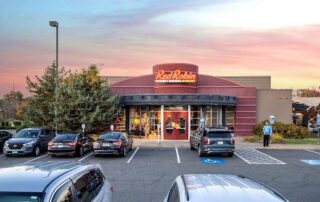
Newman Properties, a Massachusetts-based investment firm, has expanded its footprint into Connecticut with the $3.65 million acquisition of a 6,350‑square‑foot retail building in Enfield. Anchored by national restaurant chain Red Robin, the property offers the type of stable tenancy investors seek when entering new markets. The deal underscores growing confidence in anchored retail assets and provides a valuable real-world example for real estate professionals studying market analysis, investment strategy, and portfolio expansion.
JPMorgan now expects national home prices to flatten in 2026, but the Sunbelt is telling a very different story. Florida home values are down 5.1%, Texas is down 2.4%, and analysts warn that years of rapid building are finally catching up to the region. As demand stabilizes and inventory swells, real estate professionals — especially in Florida — face a market full of challenges, opportunities, and critical timing decisions.
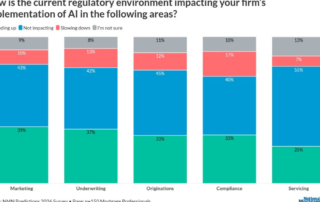
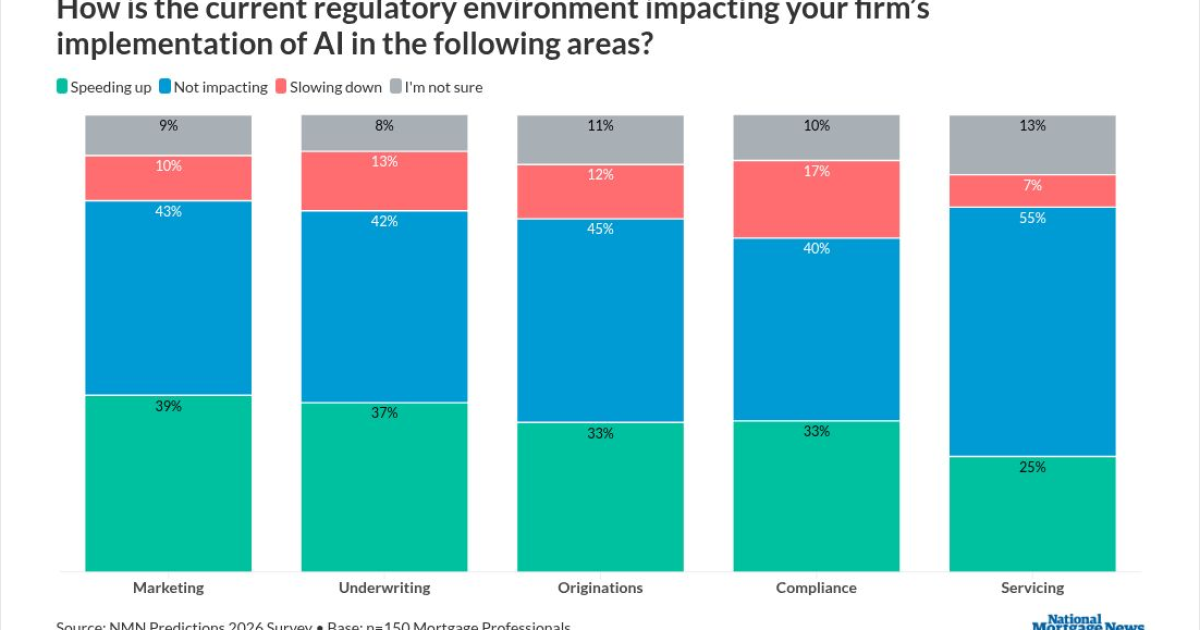
Artificial intelligence is finally stepping into the mortgage underwriting spotlight, with 57% of mortgage professionals predicting it will drive the most transformative industry shift in 2026. Thanks to major advancements in language models and workflow automation, AI is now capable of navigating the messy, document-heavy realities that have long slowed underwriting. From faster preapprovals to improved credit analysis and real‑time income verification, AI is streamlining processes while allowing underwriters to focus on true risk management. As regulatory winds shift and grassroots pressure builds within lending teams, the industry is entering a pivotal era where AI‑powered underwriting becomes not just an advantage — but an expectation.
Portland’s top 20 office towers have lost an unprecedented 70% of their value since 2019—plunging from $3 billion to under $1 billion—triggering tax revenue shortfalls, budget crises, and a surge in appeals as the city grapples with its biggest commercial real estate reset in modern history.
South Florida’s luxury real estate market just raised the bar again — this time with a $1 million virtual reality system that lets buyers walk through Dolce & Gabbana’s upcoming Miami tower long before construction wraps. Real estate master’s students were given an immersive look inside the project, discovering how VR is transforming high‑end development, influencing buyer psychology, and shaping the future skills today’s professionals need.
Long Island’s commercial real estate scene is kicking off 2026 with a surge of activity—industrial leases in Medford, neighborhood retail trades in Bohemia, Pizza Hut’s new DELCO expansion in Centereach, mixed‑use acquisitions in Melville, and major investor interest in bank‑leased and franchise-backed properties. From warehouses to restaurant rebrands, these deals highlight a region evolving fast and offering fresh opportunities for agents, investors, and professionals looking to stay ahead in the market.

 Office Vacancies and Economic Impact