In the bustling metropolis of New York City, the commercial real estate sector is teetering on the brink of a crisis reminiscent of the 1970s. Professor Stijn Van Nieuwerburgh, a Columbia Business School expert famously dubbed the “prophet of urban doom” by The New York Times, has issued a stark warning: the city may be entering the dreaded “doom loop.” This term, rooted in economic theory, describes a self-perpetuating cycle of decline that could ensnare the city if no substantial changes occur.
Office Vacancies and Economic Impact
The rise of remote work, accelerated by the COVID-19 pandemic, has left a significant mark on urban office spaces. In New York City, office vacancies have soared to unprecedented levels, with nearly 20% of spaces sitting empty. This vacancy rate not only hemorrhages potential revenue but also shrinks the city’s tax base, a concern echoed in Colliers’ report.
Van Nieuwerburgh warns that the repercussions of these vacancies could extend far beyond real estate. The anticipated decline in tax revenue may force the government to cut spending on essential services such as transportation, education, and sanitation, making urban living less attractive and potentially driving residents to relocate to states with more favorable tax environments. Changing Office Space Preferences
As companies adapt to new work paradigms, the demand for office spaces has shifted. Businesses are now seeking smaller, modern offices equipped with amenities to entice employees back to in-person work. This trend, as noted by Fred Cordova, CEO of real estate consultancy Corion Enterprises, is putting pressure on traditional office buildings, many of which face refinancing challenges due to expiring loans from the post-financial crisis era. Banking Sector Vulnerabilities
The banking sector, particularly smaller regional banks, is heavily exposed to the commercial real estate market. According to Van Nieuwerburgh, these banks hold a significant portion of the $6 trillion in commercial real estate debt in the United States. With the potential for rising vacancies and declining property values, these financial institutions could face severe instability unless market conditions improve. Potential Solutions and the Path Forward
To avoid the grim scenario outlined by Van Nieuwerburgh, substantial policy interventions are necessary. These could include strategic investments in public infrastructure and incentives to attract businesses back to urban centers. Without decisive action, the city risks entering a cycle of economic decline, echoing the fiscal challenges of the 1970s.
As New York City stands at this critical juncture, the insights from Fortune’s detailed analysis serve as a clarion call for city leaders and stakeholders to address these pressing challenges head-on.
More Articles
Getting licensed or staying ahead in your career can be a journey—but it doesn’t have to be overwhelming. Grab your favorite coffee or tea, take a moment to relax, and browse through our articles. Whether you’re just starting out or renewing your expertise, we’ve got tips, insights, and advice to keep you moving forward. Here’s to your success—one sip and one step at a time!
Palm Beach protests erupted as intensified immigration enforcement reached the heart of Trump’s hometown, while millions in Florida brace for rising health care costs as key subsidies near expiration. At the same time, state regulators boldly declare the long‑running property insurance crisis “over,” leaving homeowners and industry professionals questioning whether true stability has finally returned.
As 2025 comes to a close, the real estate industry is shifting from uncertainty to strategic expansion. According to DWS’s Year-End 2025 Outlook, property values are stabilizing after years of repricing, capital is concentrating on high-quality assets, and Sunbelt markets—especially Florida—continue to outperform. With technology enhancing rather than replacing professional expertise, 2026 is shaping up to reward professionals who stay informed, skilled, and strategically positioned for the next cycle.
Texas capital is pouring into San Francisco’s long‑struggling commercial real estate market, with Lone Star investors buying up discounted Union Square buildings and signaling what many experts believe is the city’s market bottom. As office activity and confidence begin to return, buyers from across the country are joining the rush, turning SF’s post‑pandemic slump into one of the nation’s hottest bargain opportunities.
With 2026 HousingWire Tech100 nominations closing on December 19, the housing tech sector is accelerating at full speed. AI‑powered data platforms, digital closing breakthroughs, embedded insurance growth, and next‑generation servicing automation are reshaping real estate, mortgage, insurance, and finance. From ATTOM’s AI‑ready property intelligence to Hapi Homes’ Martha Stewart design revival, Obie’s nationwide expansion, Outamation’s servicing automation, and ServiceLink’s next‑level borrower scheduling, this year’s standout innovators are defining the future of the housing economy.
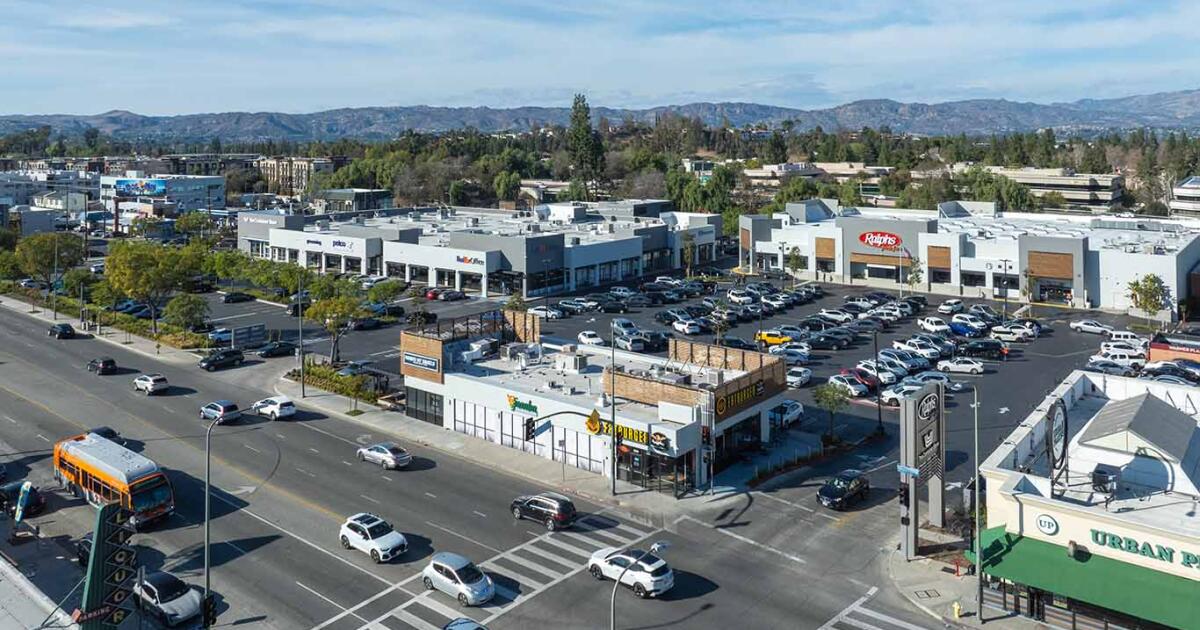
Space Investment Partners has acquired the 123,402‑square‑foot Topanga Gateway retail center in Woodland Hills for $64 million, marking another significant move in the firm’s expanding grocery‑anchored investment strategy. Located at a high‑visibility intersection and 97% occupied at the time of sale, the property strengthens the company’s push toward $500 million to $1 billion in retail acquisitions for 2026, underscoring continued investor confidence in necessity‑based retail assets.
After the Federal Reserve’s final 2025 rate cut on December 10, mortgage markets are recalibrating, giving buyers and homeowners a glimmer of relief. Rates remain lower than earlier in the year, with 30-year fixed loans at 6.12% and refinances dipping as well. This shift may spark renewed activity for buyers, refinancers, and real estate professionals heading into 2026.

 Office Vacancies and Economic Impact