In a groundbreaking initiative, the National Institutes of Health (NIH) is spearheading a workshop titled “Artificial Intelligence in Precision Medicine for Diabetes and Other Chronic Diseases.” This event is set to explore the transformative potential of artificial intelligence (AI) and machine learning (ML) in advancing precision medicine, particularly for diabetes and chronic diseases.

The workshop seeks to unite biomedical researchers and AI/ML experts to tackle pressing challenges, identify crosscutting gaps, and seize opportunities in leveraging AI/ML technologies. The focus is on enhancing biomarker development, drug discovery, and diagnostics, ultimately paving the way for personalized healthcare solutions. Recent strides in AI/ML, including generative AI and Large Language Models, are poised to revolutionize biomedicine.

Organizing Committee
The event is organized by a distinguished committee, featuring external co-chairs such as Marcela Brissova from Vanderbilt University, Jeffrey Grethe from the University of California, San Diego, and Wei Wang from the University of California, Los Angeles. They are joined by notable members from the NIH, including Eric Brunskill, Ph.D., and Debbie Gipson, M.D., M.S.

Pre-workshop Speaker Series
A pre-workshop speaker series has been designed to stimulate discussions on AI’s intersection with biomedicine. The series is divided into two parts:

  1. The Bio-Behavioral Dimensions of Diabetes Heterogeneity: Featuring Dr. Yao Qin from the University of California, Santa Barbara, discussing “Data-driven Machine Learning and Closed-loop Diabetes Care,” and Dr. Ashu Sabharwal from Rice University on “Bio-behavioral Pathways in Diabetes.”
  2. Advances in AI and Applications in Biomedicine: Featuring Dr. James Zou from Stanford University, focusing on “AI Agents in Biomedicine,” and Dr. Eran Halperin from the University of California, Los Angeles, discussing “AI Challenges and Opportunities across Data Modalities in Medicine.”
Event Details
The workshop is a hybrid event, allowing both in-person and virtual participation. It will be held at the Neuroscience Center Building in Rockville, MD. Although registration closed on October 25, 2024, the event promises to be a pivotal moment in the integration of AI/ML in precision medicine.

For more information, interested parties can access the original article and additional resources such as the Pre-Workshop Webinar 1 Flyer and Pre-Workshop Webinar 2 Flyer.

Contact Information

More Articles

Getting licensed or staying ahead in your career can be a journey—but it doesn’t have to be overwhelming. Grab your favorite coffee or tea, take a moment to relax, and browse through our articles. Whether you’re just starting out or renewing your expertise, we’ve got tips, insights, and advice to keep you moving forward. Here’s to your success—one sip and one step at a time!

Florida’s Long‑Standing Condo Lending Restrictions May Finally End This December

After nearly 20 years under uniquely harsh lending rules, Florida may finally see its condo market freed from a 25% down payment requirement imposed only on the state. Industry leaders say Fannie Mae could announce changes as early as December—potentially restoring the standard 10% down payment used everywhere else in the country. Experts believe the shift would boost maintenance funding, improve affordability, and stabilize Florida’s condo market after years of strain.

Confidence Surges in Phoenix as Commercial Real Estate Rebounds in 2025

Phoenix’s commercial real estate market is shaking off years of uncertainty as broker optimism hits its highest level since interest rates began climbing. The latest ASU Commercial Broker Sentiment Index soared to 62.7, signaling strong confidence across multifamily, retail, office, and capital markets. With population growth accelerating, interest rates easing, and AI boosting industry efficiency, Phoenix is positioning itself for a powerful run into 2026—offering meaningful opportunities for both new and seasoned real estate professionals.

Michigan Lawmakers Consider Allowing All Continuing Education Hours to Be Completed Online

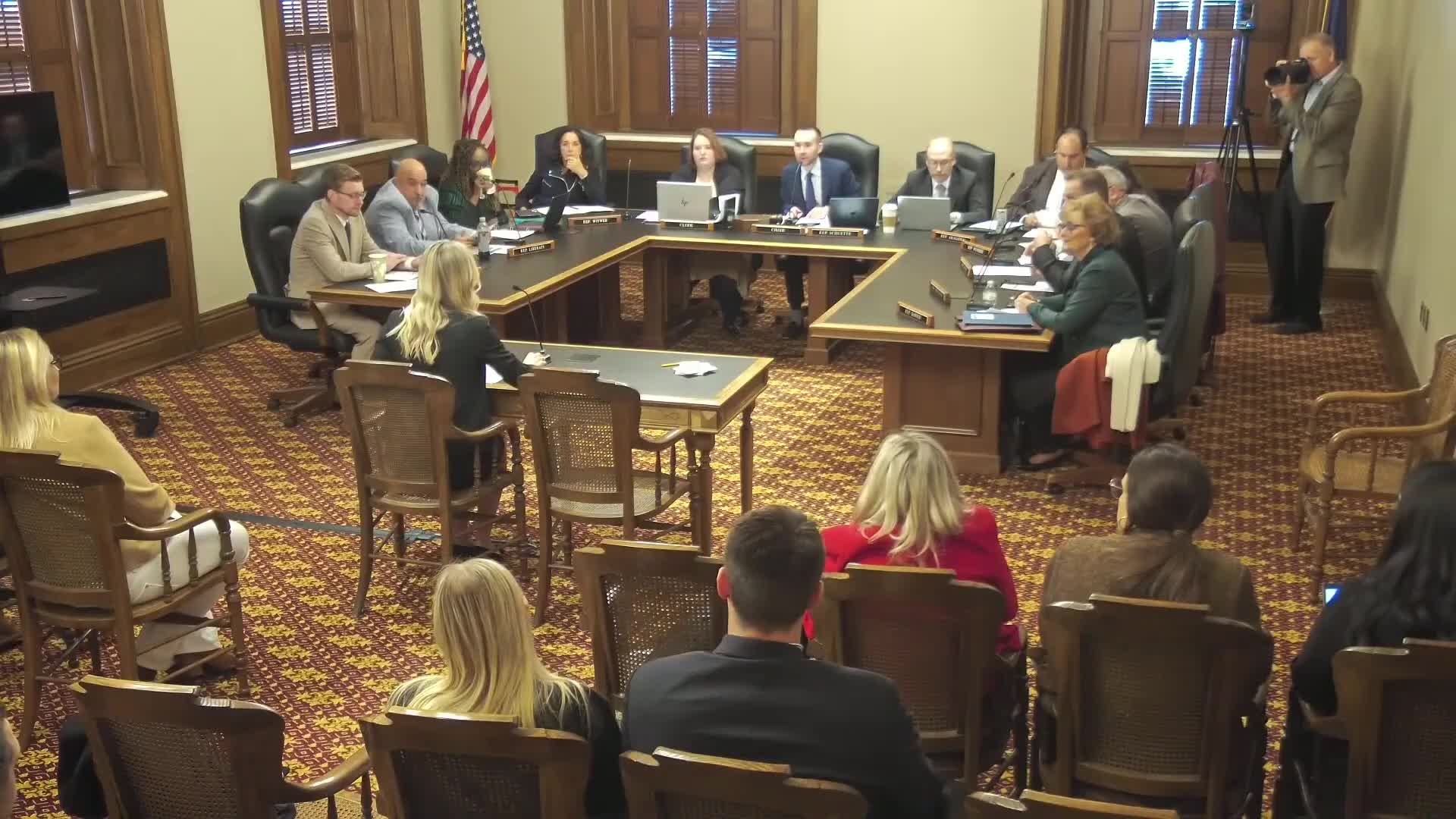
Michigan’s House Rules Committee heard testimony on a proposal that would let licensed professionals complete all required continuing education online. Supporters say the change would modernize outdated rules, reduce costs, and improve access for rural and busy workers. The state licensing department backs the measure, and lawmakers noted it could reshape CE options across industries from real estate to insurance and healthcare.

Florida’s Home Insurance Crisis Reaches a Breaking Point as Premiums Skyrocket

Florida homeowners are now paying an average of $5,838 per year for insurance — nearly $3,000 above the national average — making it one of the most expensive states in the country. As premiums continue to triple for some residents, many are being forced into tough decisions, from delaying home improvements to dropping coverage altogether. With more than 40% of claims closed with no payment and lawmakers pushing for aggressive reforms, the crisis is reshaping Florida’s housing market and placing growing pressure on real estate, mortgage, and insurance professionals statewide.

Griffin Funding Names John Jones SVP of Growth as It Sets Sights on $3B Non-QM Volume by 2030

Griffin Funding has elevated John Jones to Senior Vice President of Growth and EOS Integrator, marking a major step in the company’s long-term expansion strategy. Already a key operational leader since April 2025, Jones will now drive performance optimization, market expansion, and leadership development as the lender pursues an ambitious goal of reaching $3 billion in annual non-QM loan volume by 2030. His promotion underscores Griffin Funding’s commitment to scaling strategically while strengthening its position in the fast-growing non-QM space.

Why Lower Rates Still Haven’t Unlocked Commercial Real Estate

Despite recent Federal Reserve rate cuts, commercial real estate remains frozen. Long‑term Treasury yields continue to climb, keeping borrowing costs high and preventing the relief investors expected. With nearly $1 trillion in commercial loans coming due, refinancing at today’s elevated rates is squeezing owners, slowing transactions, and creating a widening gap between buyers and sellers. For patient, well‑capitalized investors, this period of recalibration may offer some of the strongest opportunities in years.