Northwest Austin Braces for a Massive Transformation at Former 3M Campuses

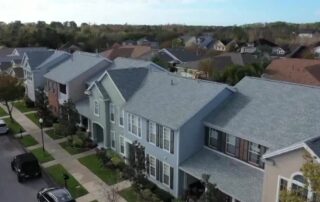
Austin’s northwest corridor is on the cusp of a development wave that could redefine the region for decades. Two former 3M campuses—landmarks once buzzing with manufacturing and tech energy—are now being reimagined into dynamic mixed‑use communities led by Karlin Real Estate. And if early plans hold true, this makeover won’t just shift land use; it will reshape lifestyles.

Community meeting site plan review

The Vision: Turning Acres Into Opportunity

Karlin Real Estate, known for bold repositioning strategies, is setting out to revitalize two large former 3M properties—one off Research Boulevard (the Duval site) and the other off River Place Boulevard, now branded as Highpoint 2222. Together, these developments promise a strategic blend of office, retail, residential, and green space that could completely modernize the River Place corridor.

The Highpoint 2222 site alone spans 154 acres and features over 1 million sq. ft. of freshly renovated office space, ready for tech and life‑science innovators.

What’s Being Proposed?

While Karlin and local leaders continue to refine the blueprint, early plans highlight a powerful mix of new opportunities:

1.1 million sq. ft. of office and lab space (already completed)
• Up to 65,000 sq. ft. of retail
• As many as 1,250 multifamily homes rising up to four stories
• Nearly 9 acres of community green space

Community Voices Shape the Blueprint

Perhaps the most compelling part of this redevelopment is how deeply community‑driven the process has become. The 2222 Coalition of Neighborhood Associations (2222 CONA) has worked closely with Karlin for over three years, holding 18 meetings and collecting more than 500 resident insights through surveys and open houses.

As 2222 CONA President Linda Bailey aptly put it, “The community wants certainty and the developer wants flexibility—so where do those two things meet?

Major topics on the table include traffic concerns, environmental protections, and the extent of development density. With an estimated 18,000 additional daily vehicle trips expected, residents are urging early upgrades to traffic lights and lane systems to support the transition.

Why Mixed‑Use Makes Sense Right Now

Aquila Commercial reports that Highpoint 2222 is currently the largest available office inventory in Northwest Austin, topping 1.18 million sq. ft. But slow pre‑leasing trends citywide are prompting developers to rethink the traditional office‑only approach and lean into mixed‑use designs.

Senior VP Max McDonald explains that combining office with multifamily, retail, or hotel uses offers greater flexibility and stability, especially as speculative office builds become less common.

A Wider Development Ripple Across the Corridor

The redevelopment of these former 3M campuses is sparking a much broader transformation along the River Place and RM 2222 corridor. Other projects include:

  • River Place Corporate Park’s zoning amendment to allow 330 multifamily units and expanded recreation
  • Preserve at 620’s expansion with new office and community offerings such as The Picklr
  • A revised Duval campus plan reducing office space dramatically in favor of 1,200 new multifamily units and streamlined commercial development

What Comes Next?

2222 CONA is preparing its next survey summary for Karlin, District 10 leadership, and city staff. A large public meeting is slated for early 2026 to update residents on environmental protections, traffic phasing, density negotiations, and amenity planning.

One thing is certain: Northwest Austin is stepping boldly into a new era—one shaped by transparent dialogue, forward‑thinking planning, and a shared vision for community‑centric development.

Inspired by fast‑changing development trends? Whether you’re in real estate, planning, or launching a new professional path, Cameron Academy helps you stay ahead. Explore licensing and career‑boosting programs at CameronAcademy.com.

Source: Community Impact

More Articles

Getting licensed or staying ahead in your career can be a journey—but it doesn’t have to be overwhelming. Grab your favorite coffee or tea, take a moment to relax, and browse through our articles. Whether you’re just starting out or renewing your expertise, we’ve got tips, insights, and advice to keep you moving forward. Here’s to your success—one sip and one step at a time!

The Great Housing Reset: What Redfin Predicts for 2026

Redfin forecasts a slow but meaningful return to normalcy in the U.S. housing market starting in 2026. Instead of a crash or a rapid correction, the year marks the beginning of a “Great Housing Reset” where affordability gradually improves, mortgage rates ease into the low‑6% range, home sales tick upward, and renters, buyers, and professionals finally feel less market pressure. From wage growth outpacing home prices to rising refi activity and the rise of AI‑powered real estate tools, 2026 is shaping up to be a foundational year for real estate careers and long‑term market stability.

Climate Disasters Are Outpacing Insurance Uptake as the Global Protection Gap Nears Crisis Levels

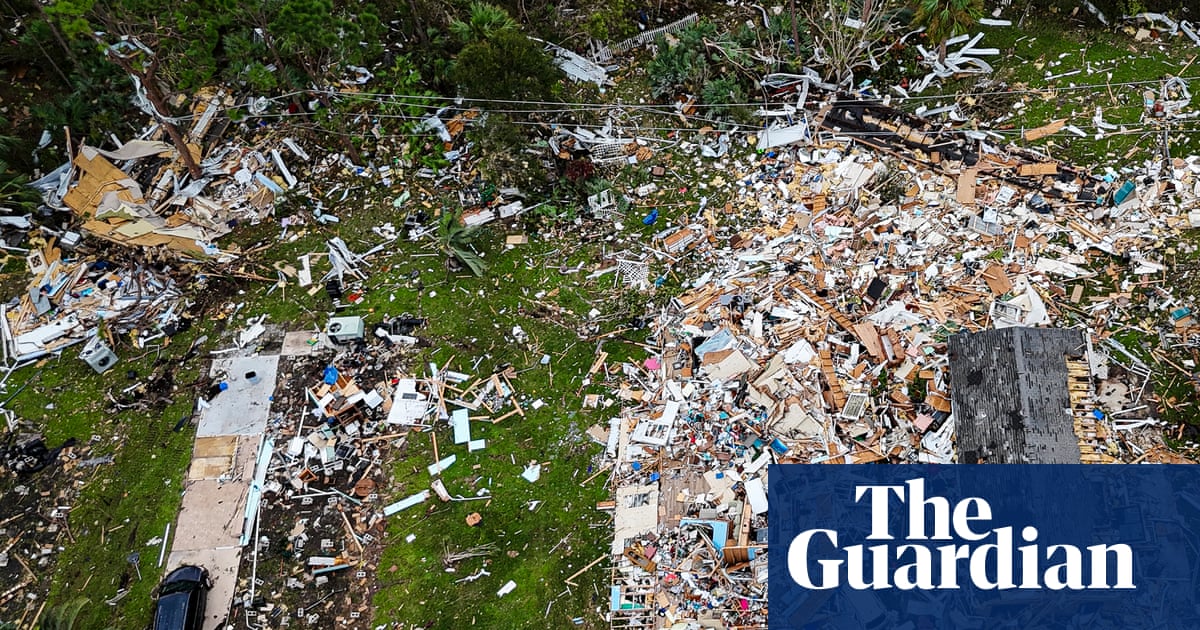
Hurricane Melissa’s destruction in Jamaica highlights a growing global reality: climate risks are accelerating faster than insurance adoption. With more than 90% of disaster losses in developing regions going uninsured and a worldwide protection gap exceeding $1.8 trillion annually, experts warn that traditional insurance systems can no longer keep up. New models—like parametric payouts, community‑based aggregation and bundled climate tools—are emerging, but governments and corporations must step in to prevent financial shocks from destabilizing entire economies.

AI-Powered Excavators? Gravis Robotics Secures $23M to Tackle Construction’s Growing Labor Crisis

Gravis Robotics, a Zurich-based startup, just raised $23 million to bring autonomous tech to construction sites facing a massive operator shortage. As demand surges for renewable energy projects, data centers, and new housing, Gravis retrofits traditional heavy machinery with AI-driven systems that can work autonomously or via remote guidance. With trials already underway across seven countries, the company is pushing a future where humans and robots collaborate — speeding up development timelines and reshaping industries from construction to real estate.

Zillow Drops Climate Risk Scores—What It Means for Agents, Buyers, and the Future of Real Estate

Zillow has quietly removed its climate‑risk scores after months of pressure from agents, homeowners, and listing services who said the warnings were scaring off buyers. The move has sparked a national debate: Is this a win for real estate sales or a setback for consumer transparency? Critics warn that without clear climate‑risk data, families could be “flying blind” into costly surprises like insurance spikes and flood damage. As climate impacts intensify and disclosure expectations rise, real estate professionals must stay informed—because whether Zillow shows the data or not, the risks aren’t going anywhere.

Florida’s Property Insurance Battle Heats Up as 2026 Approaches

Florida’s property insurance crisis is becoming the defining issue heading into the 2026 election season. Republicans argue that recent reforms are finally stabilizing the market, pointing to reduced litigation and cooling reinsurance costs. Democrats counter that families are still facing unbearable premiums, with condo prices dropping over 8% and Floridians paying some of the highest insurance rates in the nation. As lawmakers prepare to return to Tallahassee, the future of insurance reform is set to become the central political fight—one that will directly impact homeowners, investors, and real estate professionals across the state.

The Invisible Backbone Transforming Modern Real Estate

Connectivity has become one of the most powerful differentiators in today’s real estate market. As smart buildings, automation, and sustainability demands accelerate, fiber networks are replacing outdated copper systems and reshaping property value. With lower energy use, unified smart‑building capabilities, reduced long‑term costs, and stronger tenant satisfaction, digital infrastructure is now central to investment strategy. Real estate professionals who understand this shift gain a competitive edge as the industry moves toward cleaner, smarter, more connected buildings.